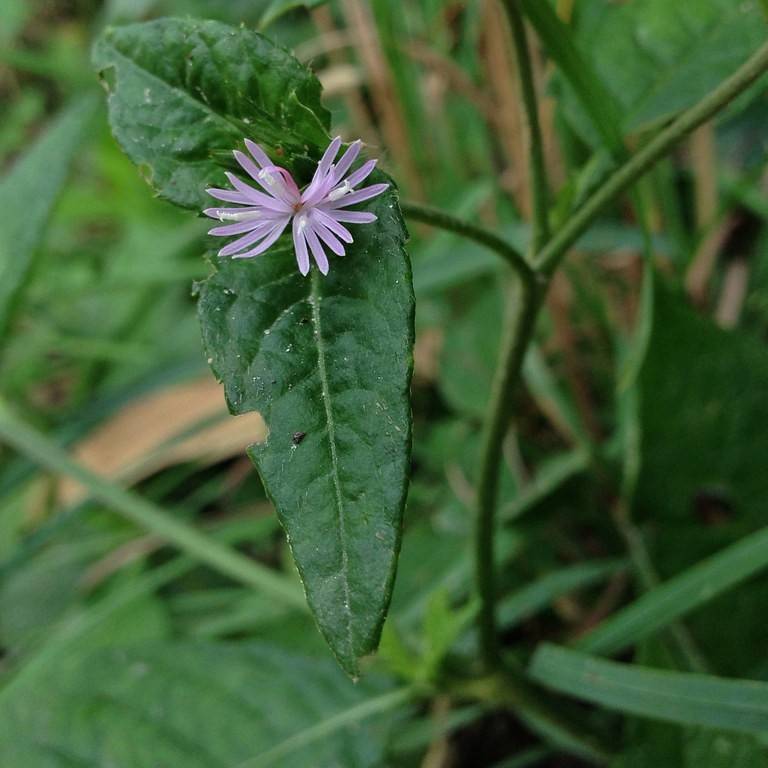
elephant's foot
Elephantopus carolinianus
Overview
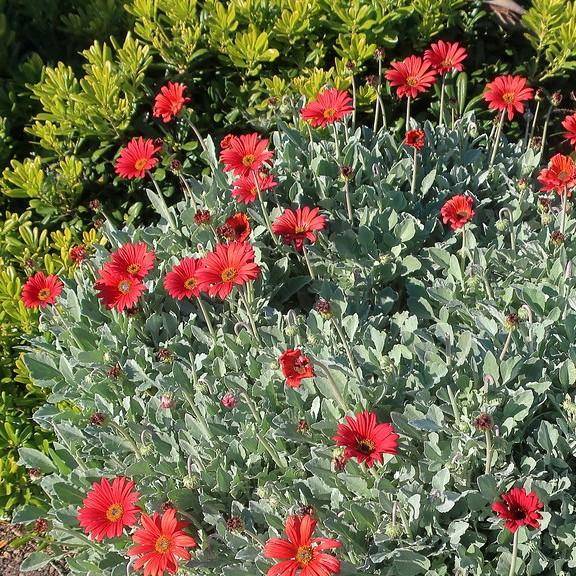
Elephant's Foot (Elephantopus carolinianus) is an amazing plant species. It is a hardy perennial that prefers sunny locations and low humidity. It is named for its large, gray-green leaves, which resemble the feet of an elephant. Its flowers are yellow and white and create a stunning contrast against its foliage. The blooms attract beneficial pollinators, such as bees and butterflies. It is also used as a ground cover to reduce soil erosion and provide texture to landscapes. It requires minimal care, making it an ideal addition to any garden. Its unique shape and flowers add colour, beauty and interest to your outdoor space.
Care Guide
Watering
Elephant's foot requires average to low watering and it is best to check the soil before watering. During the warmer months, Elephant's foot should be watered when the top inch of soil has just started to dry out, usually once a week. During cooler months, watering should be reduced to once every week to 2 weeks. The soil should never be allowed to dry out completely. Overwatering should also be avoided, as this can cause root rot and other issues. Avoiding soggy soil and providing excellent drainage is the best way to ensure its health.
Light
Elephant's foot (Elephantopus carolinianus) is a plant species that thrives with bright, full sunlight. The plant prefers to receive at least 5 hours of direct sunlight a day and will do best with 8 to 10 hours of sun. This plant needs to receive its sunlight during the morning and early afternoon hours in order to maximize the amount of photosynthesis that it can produce. It is important to not expose this plant to late afternoon or early evening sunlight as this could cause severe sunburn and damage to the leaves. Elephant's foot will also thrive when given some shade in the heat of the day. Early morning or late afternoon shade can prevent the leaves from burning or showing signs of stressing.
Temperature
Hardiness zone 4-9.
Pruning
Elephant's foot should be pruned once a year in the early spring, before new growth occurs. Remove any dead, damaged, or diseased branches and flower heads. Cut back any stems that are taller or have outgrown their space. Always make clean cuts and avoid leaving jagged edges, as this can introduce disease and pest problems. When done correctly, pruning can positively shape the appearance of the elephant's foot and encourage the formation of healthy new shoots.
Propagation
Division, Seed Propagation, Cutting
Related plants
Other plants you might like if you grow elephant's foot.