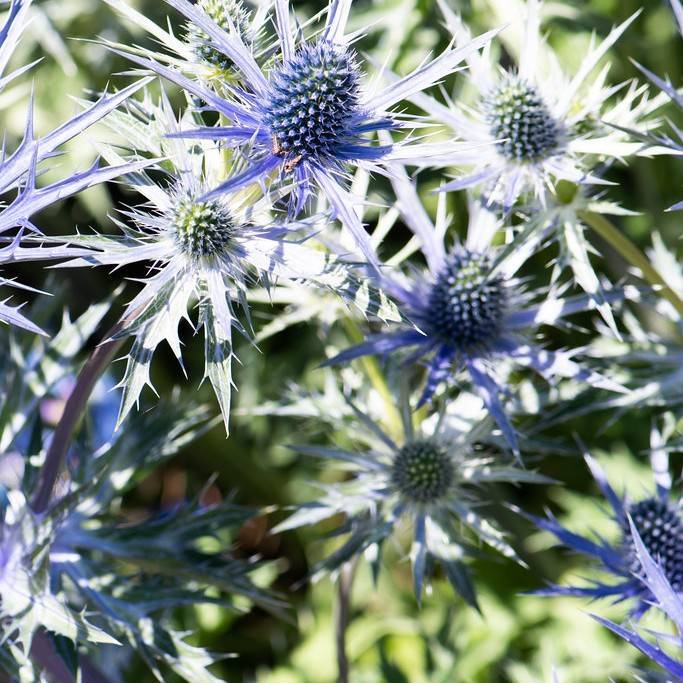
eryngo
Eryngium alpinum
Overview
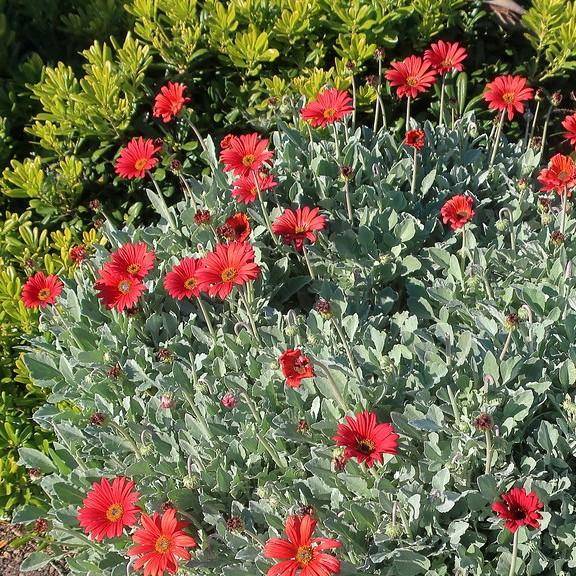
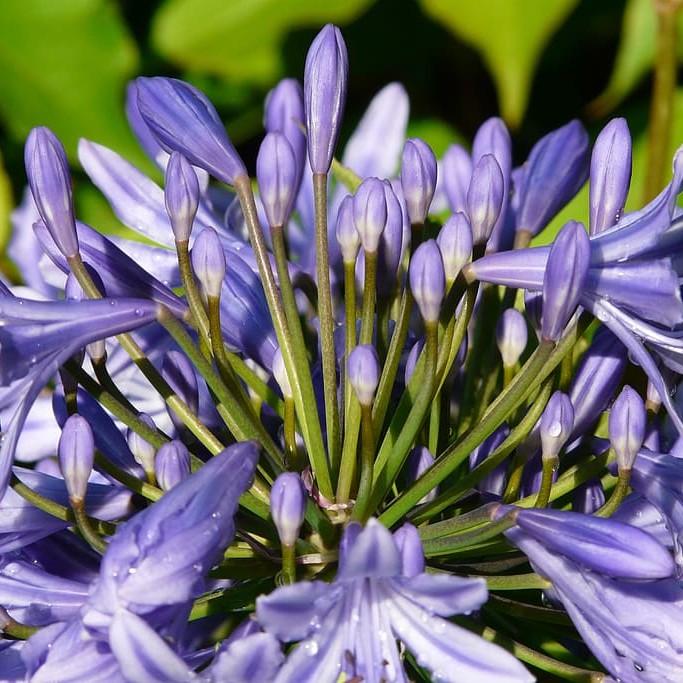
Eryngo (Eryngium alpinum) is an amazing plant species with its beautiful flower heads and unique foliage. Native to the Mediterranean and central Asia, this evergreen perennial has long, silvery-green leaves and clusters of tiny, bell-shaped flowers. The flower heads of the eryngo are quite striking, varying from deep violet to pale blue, and the foliage provides a delightful contrast to its form. This hardy plant is drought and wind tolerant, making it ideal for growing in a rock garden or in a warm climate. Its beauty and durability makes it an excellent addition to any garden!
Care Guide
Watering
Eryngo should be watered around once every week to promote healthy growth. The amount of watering should depend on the local climate and the temperature of the environment. It should also depend on the size and age of the plant; larger or older plants will require more water than younger or smaller ones. To water Eryngo, use enough water to moisten the entire root zone of the soil. This can be done by using a watering can, garden hose, or irrigation system. It is important not to over-water Eryngo; water it too much and the roots can become waterlogged and the plant can suffer from fungal diseases.
Light
Eryngo (Eryngium alpinum) is a hardy, sun-loving perennial species that thrives in full sun. It is best grown in open, sunny locations with well-draining soils, such as along the edges of pathways and walls. This plant prefers a minimum of 6 hours of direct sunlight a day, spread over the course of the day. Morning sunlight is best, as it helps to warm the plant and provide energy for growth. Evening sunlight can also be beneficial, as it helps the plant get ready for the next day of growth.
Soil
Rocky , gravelly , dry, Well-drained
Temperature
Hardiness zone 2-8.
Pruning
Eryngo (Eryngium alpinum) is a perennial shrub that should be generally pruned once or twice a year. Pruning in early spring, after the last frost, helps to control growth and maintain a neat appearance. Pruning will also help remove dead, diseased, or unsightly parts of the plant, and limit its spreading. When pruning the eryngo, determine what needs to be removed and use a sterile tool. Trim all dead or diseased parts back to healthy wood, and remove any stems that are growing in the wrong direction. Do not trim away more than 25% of the stems each year for healthy plants. If the eryngo appears to be growing too quickly, trim up to 50% of the stems back to the ground to control growth. This should be done late in the summer or early in the fall.
Propagation
Seed Propagation
Diseases & Pests
Common pests: Crown rot, Mildew, Root rot, Slugs, snails, Pest resistant, Disease resistant, Rabbit resistant, Drought resistant .
Related plants
Other plants you might like if you grow eryngo.