European Hornbeam
Carpinus betulus
Overview
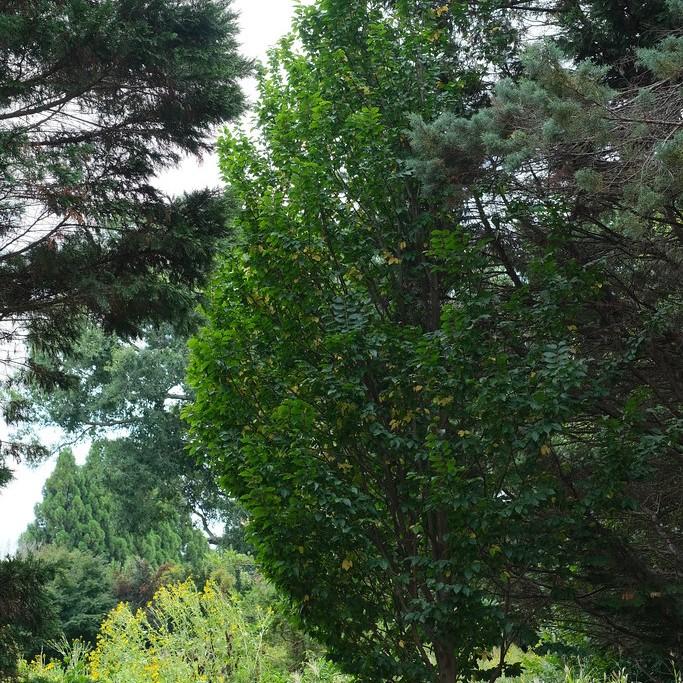
The European Hornbeam (Carpinus betulus), often known as the Ironwood, is an amazing tree for many reasons. It is noted for its striking yellow-green foliage, often going through a range of shades from late summer through to autumn. It is hardy, drought tolerant and slow growing, making it ideal for smaller gardens. The wood of the Hornbeam is very hard and durable, and it has even been used for making furniture. Its spreading canopy creates a great amount of shade and provides habitats for wildlife. In short, the European Hornbeam is an ideal choice for adding both beauty and practicality to the garden.
Care Guide
Watering
The European Hornbeam requires moderate watering, about once or twice a week with about 1-2 inches of water. Although it can tolerate some dry spells, it does best with regular watering. In summer, water the European Hornbeam at least once a week, and during periods of extreme heat, it may need to be watered more. In winter, provide it with water only if the weather has been dry and the soil feels dry to the touch. Avoid over-watering as it may cause root rot or fungal disease issues. When watering, make sure to soak the soil deeply and avoid spraying the leaves.
Light
European Hornbeam (Carpinus betulus) is a plant species that needs bright, indirect sunlight. This species will do best when placed in a location that has a few hours of adequate sunlight a day. It does best in partially shaded areas, where it can get either dappled sunlight or morning/evening sunlight. Too much direct sunlight can be harmful to this species, so it’s important to provide a suitable location for it to thrive. When located in an ideal environment, it will require 4-6 hours of sunlight each day.
Soil
Well-drained
Temperature
Hardiness zone 5-5.
Pruning
European Hornbeam (Carpinus betulus) should be pruned lightly in late winter or early spring. Pruning should generally be light and selective to remove diseased, broken and dead wood, as well as any crossing or rubbing branches. This will help to maintain a healthy structure while avoiding unnecessary shock and damage. Low lying shoots and any branches that have grown well away from the intended shape can also be pruned. Additionally, in spring, major shaping work can be undertaken, especially if the plant requires a formal shape or hedge. This species is also well-suited to pollarding in spring or summer, which helps to keep the trees smaller and produce a regular crop of foliage over a number of years.
Propagation
Cutting
Diseases & Pests
Common pests: Heteroptera - true bugs, Leafhopper, spittlebug, Disease resistant, Drought resistant .
Related plants
Other plants you might like if you grow European Hornbeam.