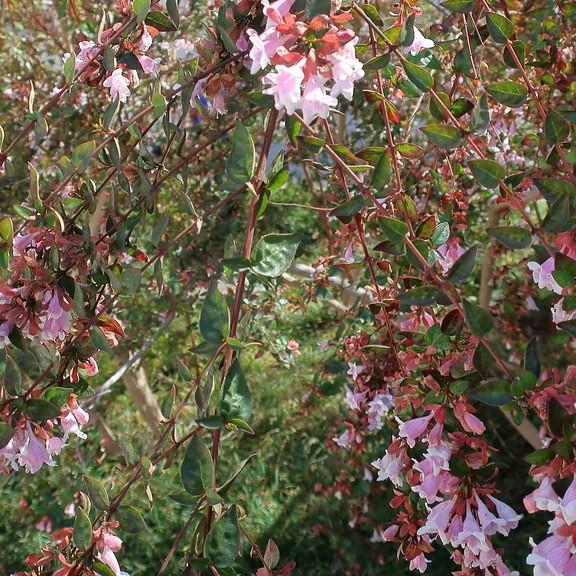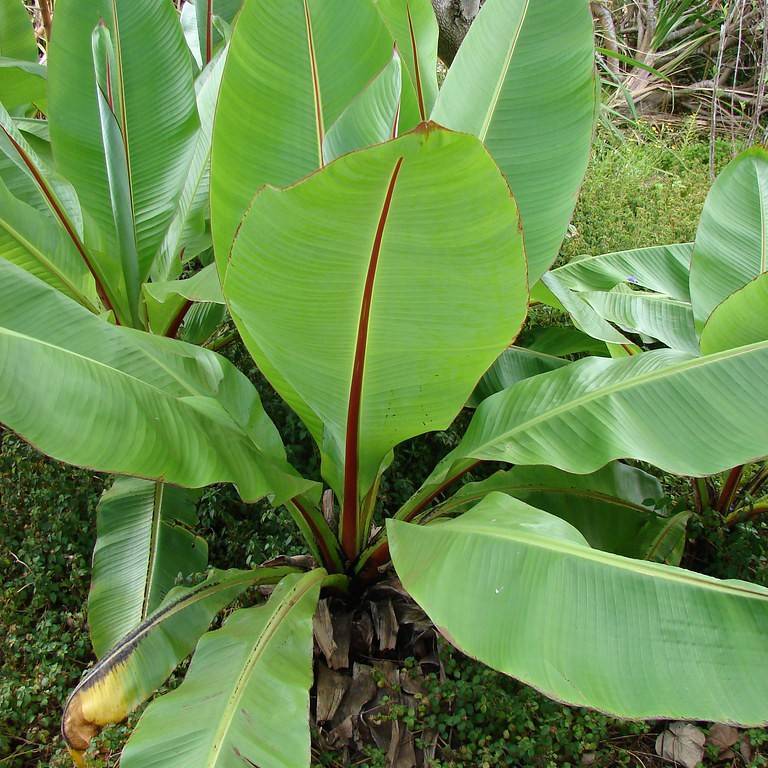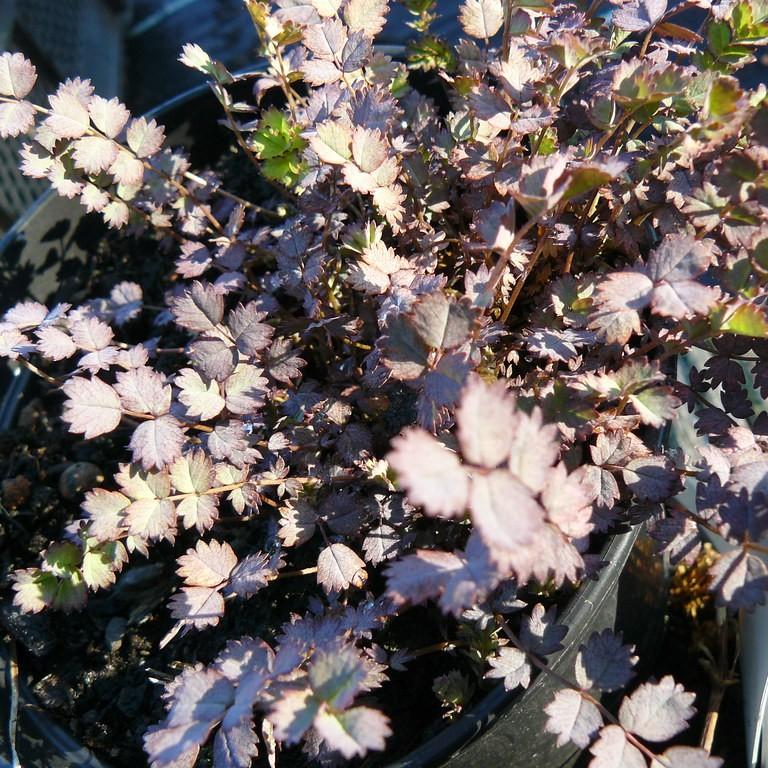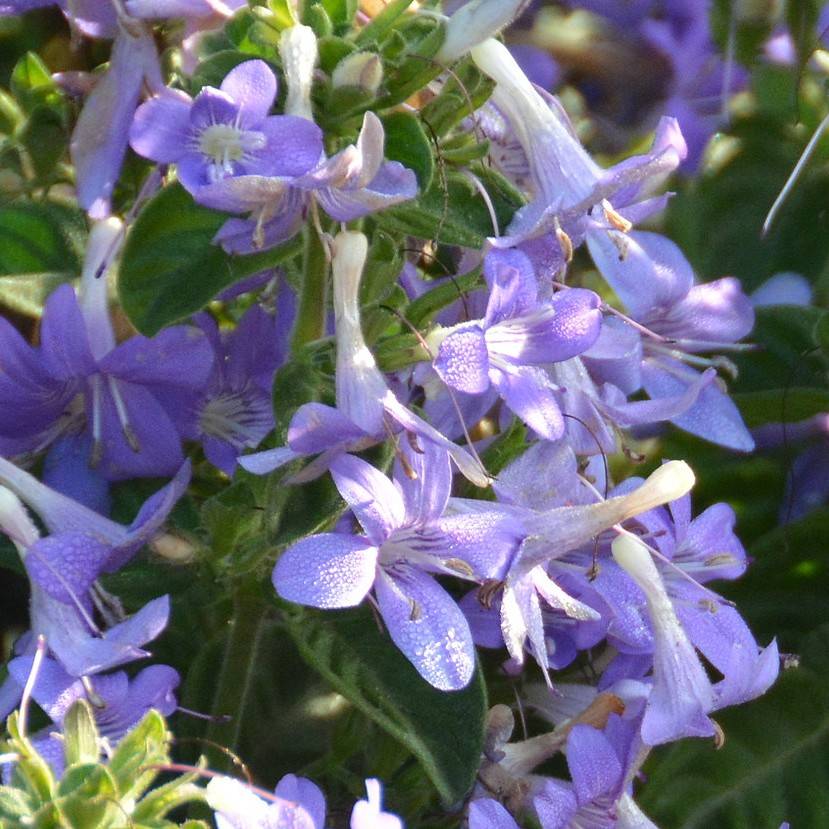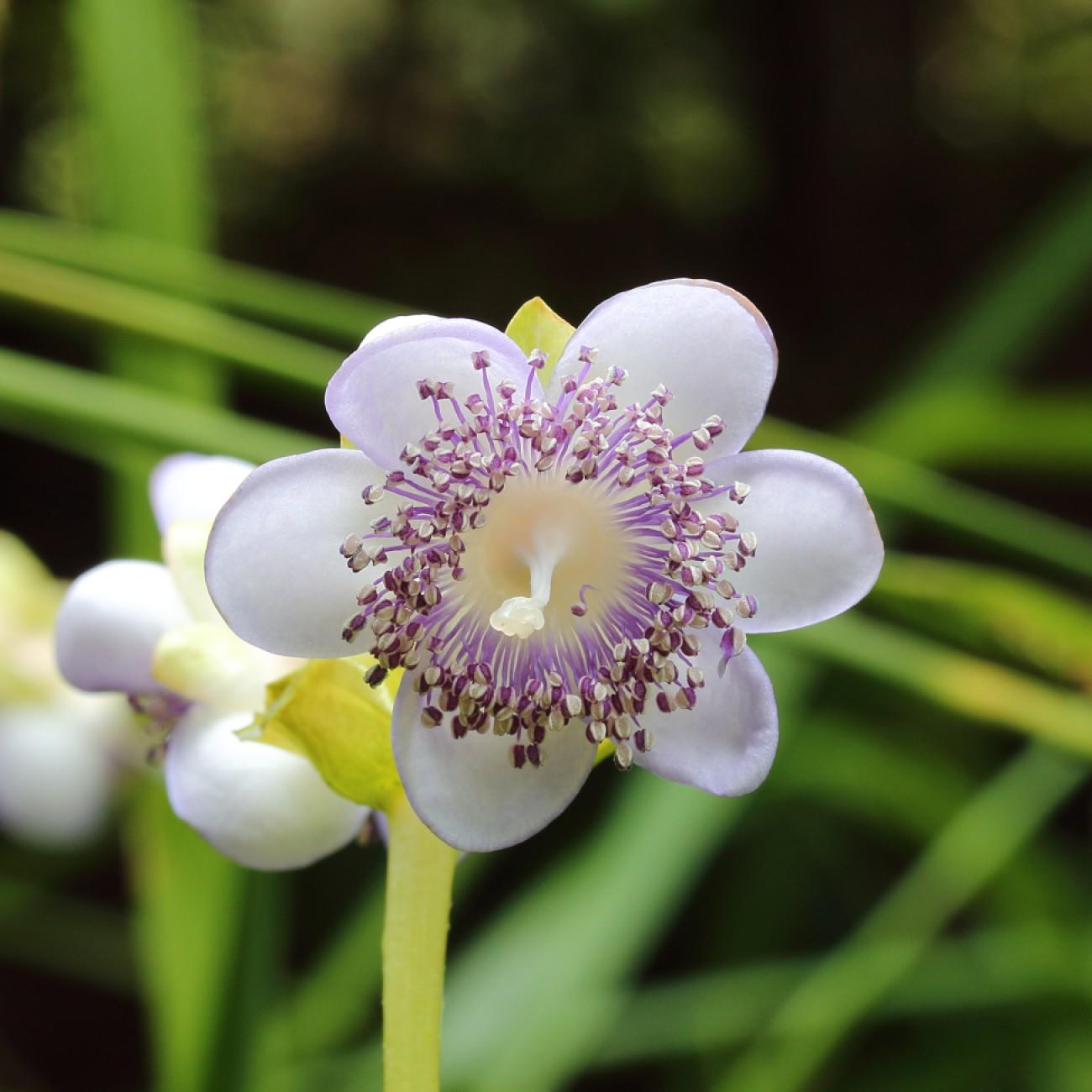
false hydrangea
Deinanthe bifida
Overview
False Hydrangea (Deinanthe bifida) is an amazing plant species due to its hardy nature and colorful beauty. Its thick leathery leaves provide excellent protection from the elements and its unique, two-toned flowers make it stand out in any garden. It blooms during late summer and the foliage takes on a lovely bronze color in the autumn. False Hydrangea is incredibly tough and can survive temperatures as low as -12°C, meaning it makes for a great centerpiece of any outdoor space. Its versatility and ease of care mean it is an excellent choice for people looking for an attractive and low-maintenance addition to their garden.
Care Guide
Watering
False hydrangea (Deinanthe bifida) plants prefer evenly moist soil and should be watered every 7-10 days once the top inch of soil has dried out. To determine when to water, stick your finger into the soil and feel for moisture. If the soil is dry, it is time to water. When watering, water until the soil is well saturated and allow the excess water to drain out before putting it back in the planter.
Light
False hydrangea grows best in full sun, meaning it should be exposed to at least 6 hours of direct sunlight every day. This should be slightly less during the hottest times of the day, from mid-morning to mid-afternoon. During these times, allowing about 4 hours of direct sunlight will be plenty for false hydrangea. In particularly hot climates, partial shade for this plant is recommended.
Temperature
Hardiness zone 4-8.
Pruning
False Hydrangeas (Deinanthe bifida) should be pruned once a year, preferably in late winter before active growth begins.The best way to prune is to completely remove any dead, broken, or congested branches and stems in their entirety. You may also choose to prune for the desired shape keeping in mind the natural structure of False Hydrangeas. It is important to avoid drastic pruning, as it can easily damage the plant. After a few years of growth,False Hydrangeas may need more extensive pruning due to their vigorous growth habit. It is important not to remove more than 1-third of the plant’s overall volume in any 1 pruning session. When pruning, you should always sterilize your pruning shears with rubbing alcohol or a solution of 9 parts water to 1 part bleach. This will help prevent potentially harmful bacteria and fungi from being transplanted from plant to plant.
Propagation
Cutting, Layering Propagation, Division, Seed Propagation
Related plants
Other plants you might like if you grow false hydrangea.