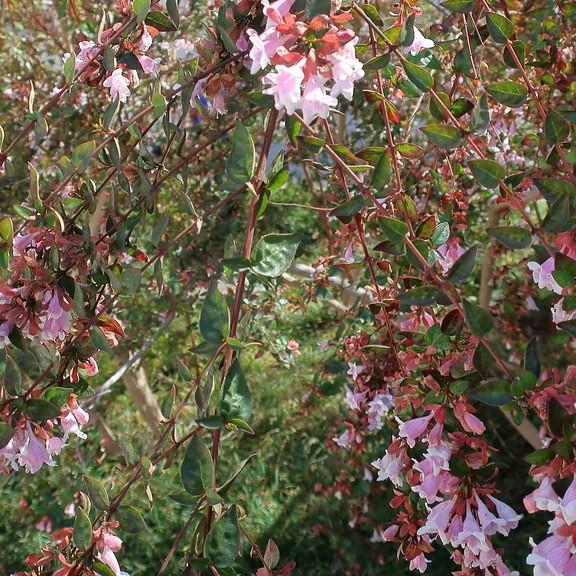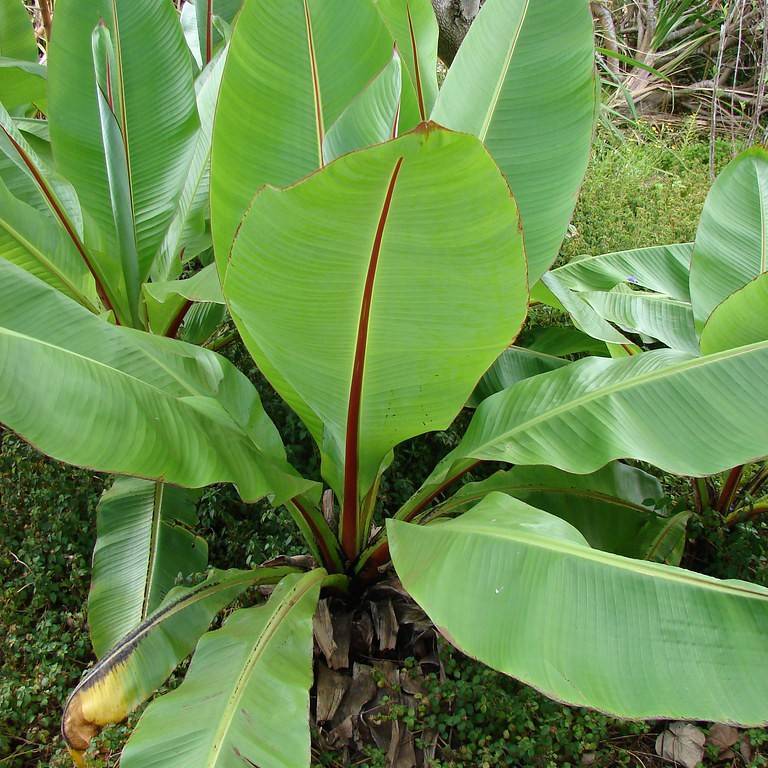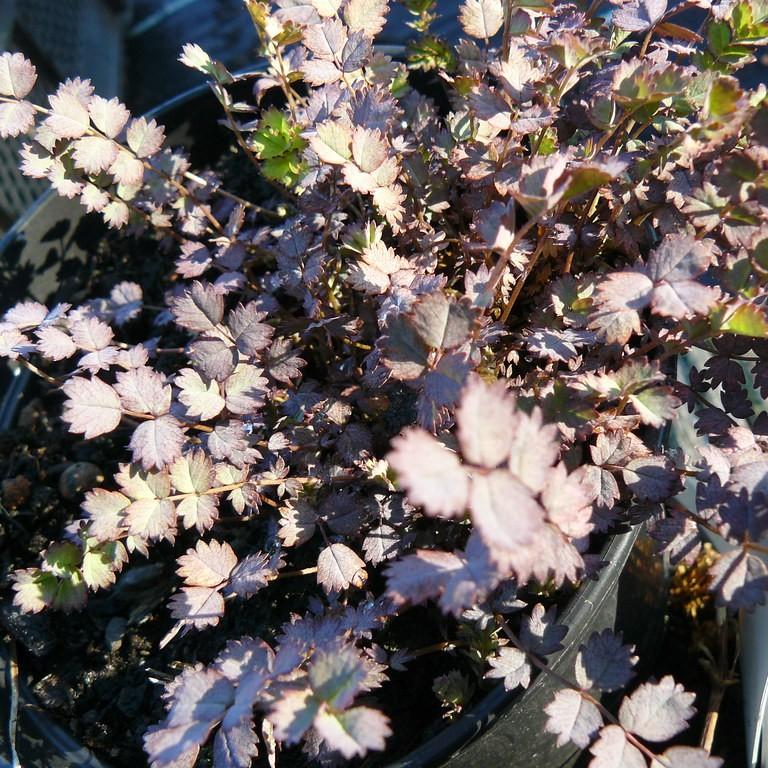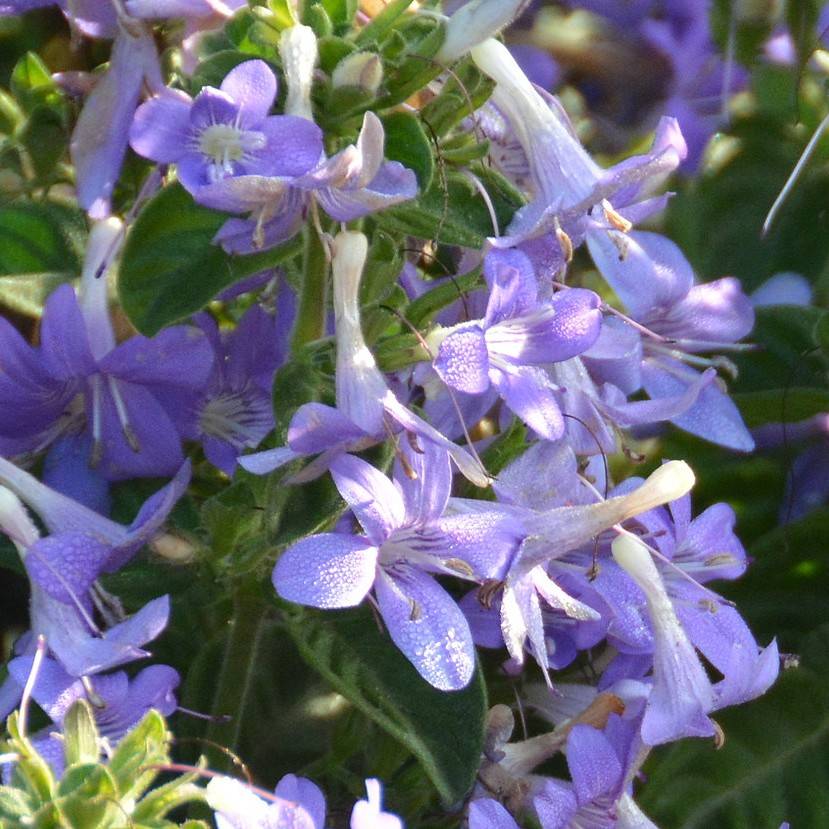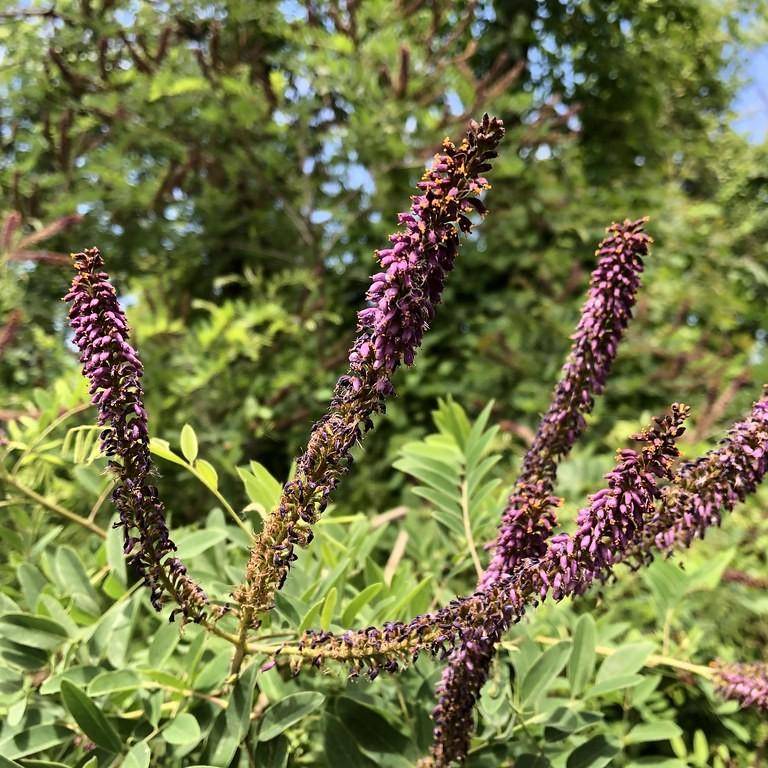
false indigo
Amorpha fruticosa
Overview
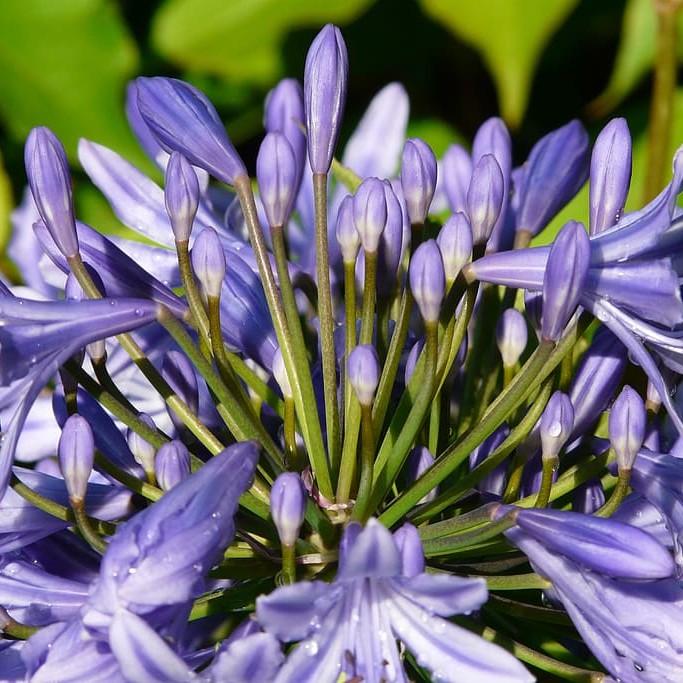
False Indigo is an amazing plant species! With its full, thin foliage and bright blue-purple flowers, it is sure to be an eye-catching addition to your garden. It is an incredibly hardy and low-maintenance shrub, thriving in full sun and in various soil types. False Indigo is also a great choice for erosion control, as it develops a deep, extensive root system. And, you'll be sure to attract butterflies, as its beautiful blooms are a favorite food source for these magical little creatures!
Care Guide
Watering
False Indigo requires occasional watering during dry periods in order to keep it healthy and blooming. It is very drought tolerant and should generally only be watered when soil is particularly dry. Limiting water in the winter months is ideal as the plant is semi-deciduous and may suffer if over-watered. During the summer months, give it approximately 1 inch of water every 7-10 days, depending on how hot and dry the weather is. In average summer conditions, false indigo usually only needs to be watered once or twice a month.
Light
False indigo (Amorpha fruticosa) should be planted in areas where it will receive at least 6 hours of direct sunlight each day throughout the growing season. Plants should be situated in an area that receives full sun in the morning, but is partially shaded in the afternoon. In hot climates, some additional afternoon shade or light dappled shade may be beneficial in protecting the plants from too much sun.
Soil
Sand
Temperature
Hardiness zone 4-9.
Pruning
False indigo (Amorpha fruticosa) should be pruned from mid-spring to late fall. When pruning, you should remove dead or broken branches and shape the shrub, removing no more than 1/3 of the growth. False indigo has a weeping habit, so cut stems to the desired length and shape, cutting back to a bud or side branch. Thinning the stems is also recommended to allow for better air movement and light penetration. Additionally, trim trailing tangled stems to create a more uniform shape and size. Finally, you can cut off the flower spikes after they have bloomed to help direct the plant’s energy into developing further foliage.
Propagation
Seed Propagation, Cutting, Layering Propagation, Division
Uses & Symbolism
Attracts: Butterflies.
Related plants
Other plants you might like if you grow false indigo.