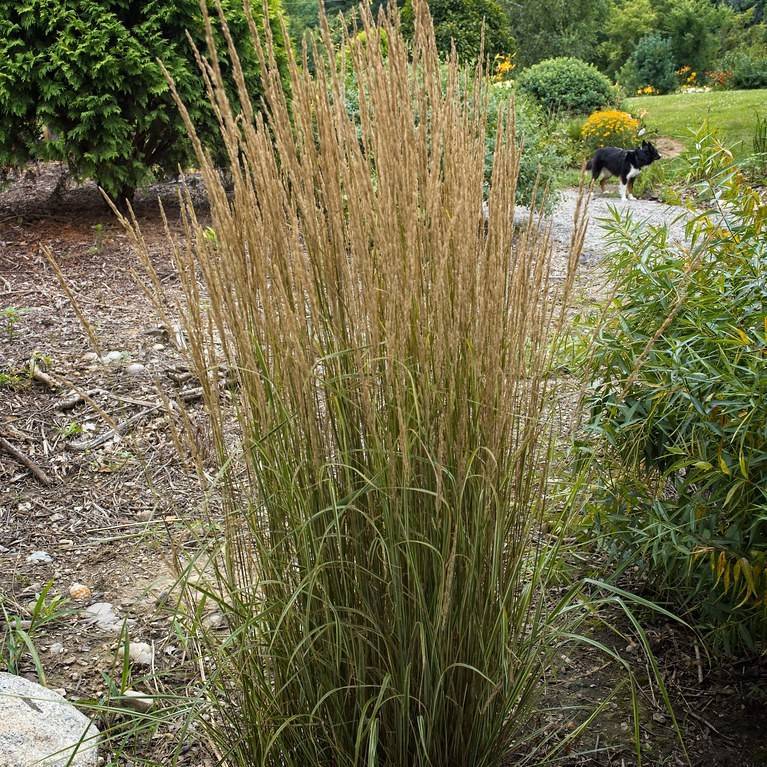
feather reed grass
Calamagrostis acutiflora
Overview
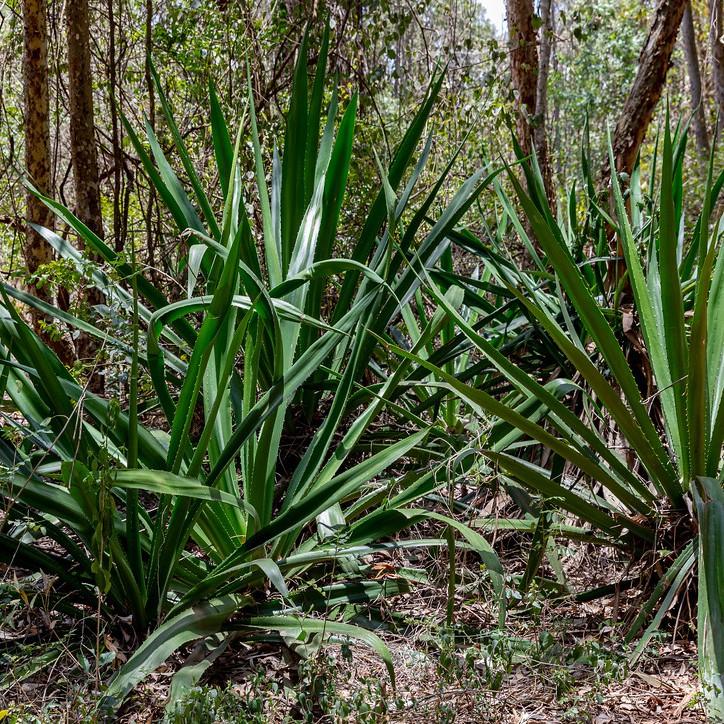
Feather reed grass (Calamagrostis acutiflora) is an amazing plant species - it's not only attractive and graceful, but also incredibly strong, durable, and hardy. It has beautiful, feathery foliage and small, delicate flowers that bloom in warm months. Its deep root system helps to retain water and keep soil erosion in check, making it a great choice for gardeners looking for a low-maintenance ground cover. Its tough leaves are incredibly resistant to drought, wind, snow, and frost, making it perfect for the harshest of climates. Feather reed grass is an amazing plant species that may be just what you need for your dream garden.
Care Guide
Watering
Feather reed grass should be watered deeply once a week during the summer months. During the height of summer, the water requirement for this grass increases, so it may need to be watered 2 or 3 times a week. During the cooler fall months, the water needs of the grass decrease and can be watered every 3 to 4 weeks. During the winter, watering should be done once a month. Make sure the soil is thoroughly soaked to a depth of 8 to 10 inches each time you water. It is important to not let the soil dry out completely before watering especially during the peak of summer.
Light
Feather reed grass (Calamagrostis acutiflora) grows best in full sun, meaning it needs at least 6 hours of direct sunlight each day. It can also tolerate light shade for part of the day. However, if given too much shade, the plant may not flower well and the foliage will have a poorer color. Too little sun will also result in the plant growing lanky and weak. Therefore, it is best to provide Feather reed grass with at least 6 hours of direct sunlight per day and a few hours of partial or dappled shade each day.
Temperature
Hardiness zone 5-9.
Pruning
Feather reed grass (Calamagrostis acutiflora) should be pruned in late winter or early spring, around late February or early March. The amount of pruning depends on the size of the plant--for smaller plants, it is recommended to cut the stems back by about a third or even a half of their height. Larger plants may require more drastic pruning, with stems cut back by up to 2 thirds of their height. Additionally, it is important to remove any dead or dying foliage from the plant as well.
Propagation
Division, Seed Propagation, Cutting, Layering Propagation
Related plants
Other plants you might like if you grow feather reed grass.