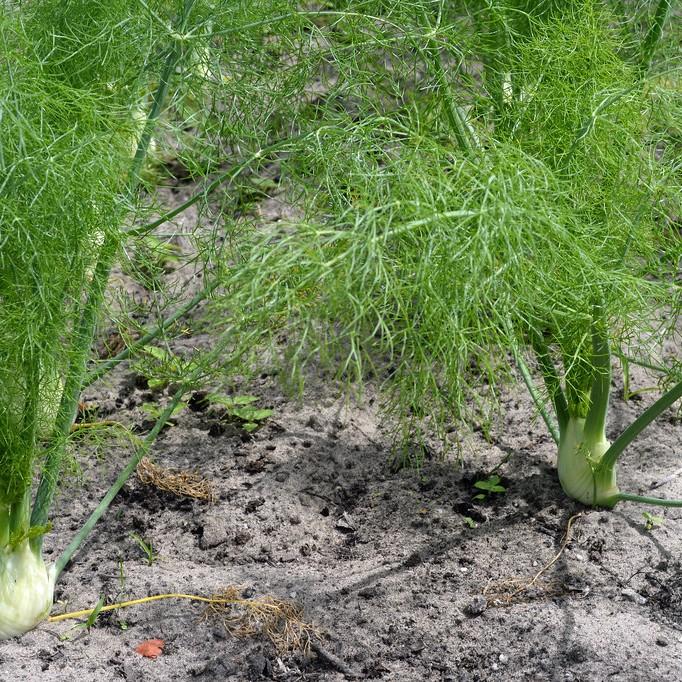
fennel
Foeniculum vulgare 'Purpureum'
Overview
Fennel (Foeniculum vulgare 'Purpureum') is an amazing plant species valued for its outstanding beneficial properties and unique aroma. This perennial herb has feathery green leaves and striking, bronze-purple stalks. Its lacy foliage, combined with its licorice-anise scent, make it an ideal spice or ornamental addition to any garden. Not only is it attractive to the eye, but its edible bulbs, stems, leaves and seeds are packed with flavor and nutritional value. Fennel also has antibiotic and anti-inflammatory properties that can help promote digestive health. It's an incredible plant that is both pretty and nutritious.
Care Guide
Watering
Fennel (Foeniculum vulgare 'Purpureum') should be watered when the top 1”-2” of the soil is dry to the touch. Depending on the temperature and humidity, fennel should be watered around once or twice a week. When watering your fennel, make sure to water evenly and give it enough water so that it can properly soak into the soil. It is best to water your fennel early in the morning so that the water can soak into the soil throughout the day, otherwise the water may evaporate from the sunlight. Do not over water your fennel as it can ruin the soil and affect the growth of your plant.
Light
Fennel (Foeniculum vulgare 'Purpureum') should be grown in full sun or light shade. When grown in full sun, it should receive 6 to 8 hours of direct sunlight per day. If grown in partial shade, it should only receive 3 to 4 hours of direct light each day. As with other plants, too much direct sunlight can cause the leaves to burn.
Soil
Well-drained
Temperature
Hardiness zone 4-9.
Pruning
Fennel (Foeniculum vulgare 'Purpureum') should receive light pruning throughout the growing season. After the main flush of growth in spring, prune the fennel back to 1/2 of their original size. This will help to encourage bushier growth and more foliage. Then in late summer, prune the plants back to promote a second round of growth before winter arrives. Deadhead any spent blooms as they appear. Finally, in early spring, cut back any dead or overgrown stems to the base.
Propagation
Seed Propagation
Uses & Symbolism
Attracts: Butterflies.
Diseases & Pests
Common pests: Aphids, adelgids, Root rot, Slugs, snails, Drought resistant .
Related plants
Other plants you might like if you grow fennel.