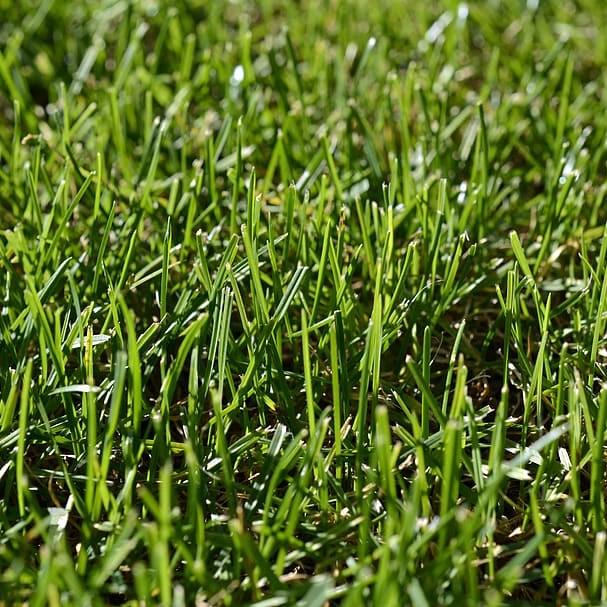
fescue
Festuca arundinacea WATER SAVER
Overview
Fescue (Festuca arundinacea), also known as "water saver" grass, is an amazing choice for yards and landscapes. It's tolerant of a wide variety of soils and does best in areas with full sunlight. It has deep roots that are great for bringing water and nutrients up to the surface, so it doesn't need frequent watering. Fescue is also very cold tolerant and disease resistant, making it great for cooler climates. Its fine texture, dense growth habit, and deep green color make it a great choice for lawns, parks, and golf courses. It's very low maintenance and requires much less mowing than other grass types. Fescue is a popular choice for lawns and landscaping due to its drought-tolerance and low maintenance requirements.
Care Guide
Watering
Fescue is a drought-tolerant grass that requires less frequent watering than other types of grass. During the active growing season, this species should be watered 1-2 times a week. Each session should be approximately 1-1.5 inches of water in order to supply enough moisture for healthy growth. It is important to avoid over-watering, as it can lead to fungal diseases and root rot disease. During periods of cool weather, Fescue should have even less water applied – usually no more than once every 2 weeks. During the summer, when temperatures are hot, more frequent watering may be necessary.
Light
Fescue prefers full sun or partial shade, with at least 6 hours of direct sunlight per day. While partial shade is acceptable, extensive shade should be avoided as it can lead to increased disease problems and reduced flowering. During hot, summer months it is advisable to provide afternoon shade to help sustain the plants through the heat of the day.
Temperature
Hardiness zone 3-6.
Pruning
Fescue should be pruned twice annually, in the spring and fall. Pruning in the spring should be done just after new growth emerges, to prevent discouraging strong upward growth. This species should be lightly pruned as it does better with minimal pruning. Remove up to 15% of the current year's growth, being sure to maintain the overall shape of the plant. Pruning during the fall should be done with a heavier hand, as the fescue will have a longer period of time to recover before the next growing season. Remove up to 25% of the current year's growth, ALWAYS trimming generally with a downward angle to preserve the plant's shape.
Propagation
Seed Propagation, Stolon, Rhizome Propagation, Division, Vegetative Plugging
Diseases & Pests
Common pests: Fungal leaf spot, Rust.
Related plants
Other plants you might like if you grow fescue.