floss flower
Ageratum houstonianum
Overview
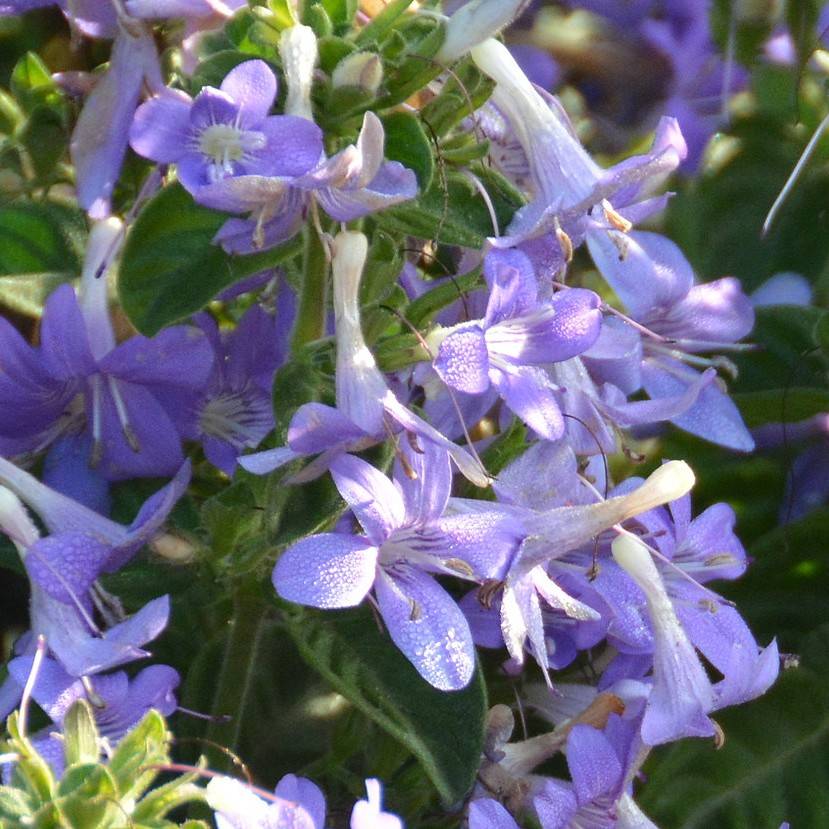
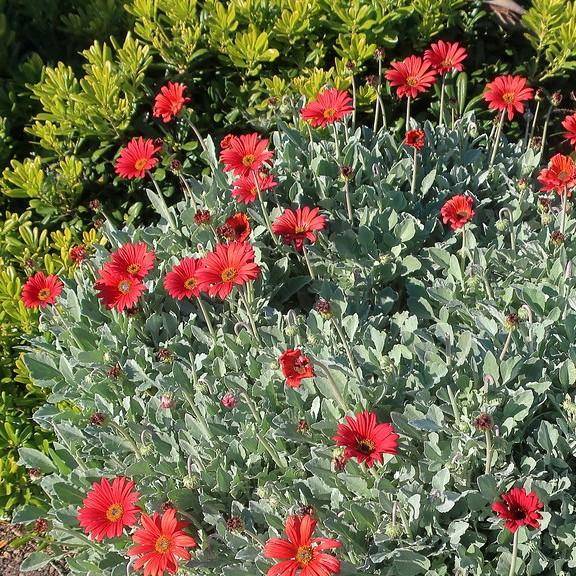
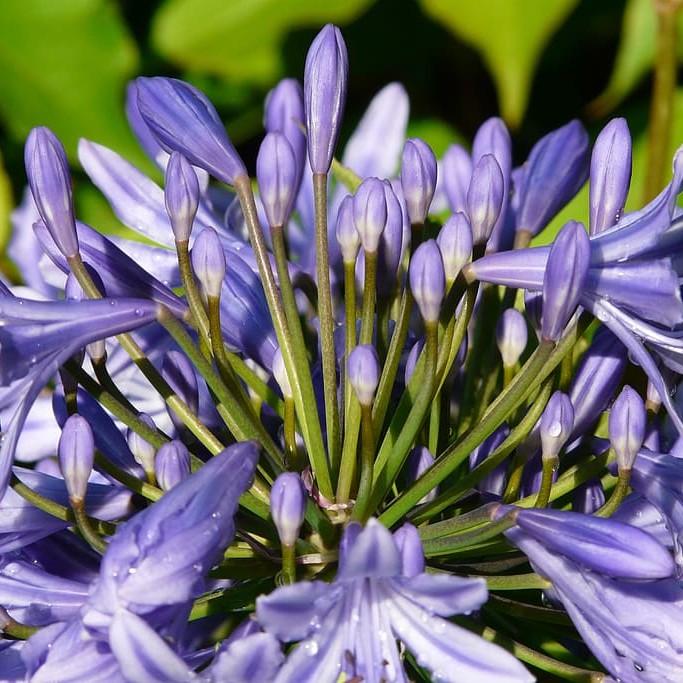
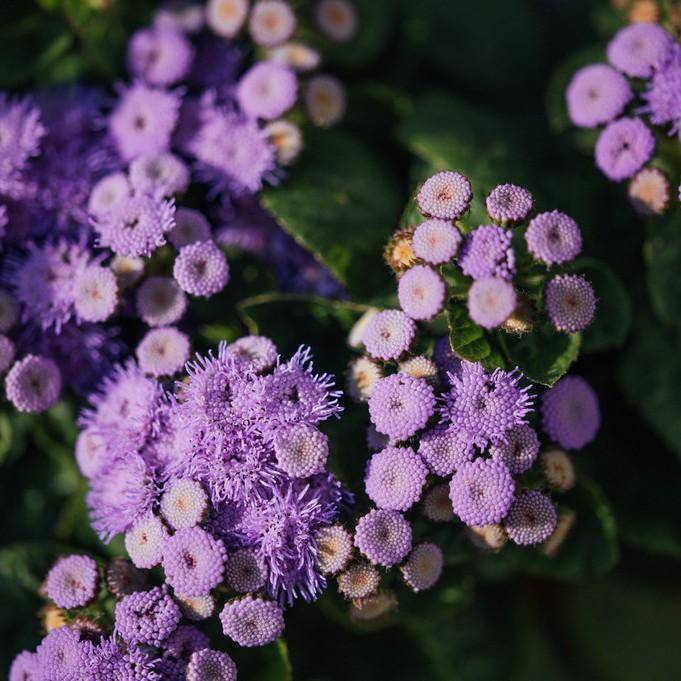
Floss flower (Ageratum houstonianum) is an amazing species of flower due to its beautiful and lively display of bloom. It has petite, fluffy flowers that come in a range of vibrant colors, including blue, purple and white. The blooms look like miniature puffs of cotton candy, adding a whimsical and delicate feel to any garden. The floss flower grows well in temperatures from 65-70 degrees Fahrenheit and requires minimal maintenance. Its prolific blooms are known to last for months and can provide exceptional color to a garden for most of the growing season.
Care Guide
Watering
Floss flower should be watered deeply but infrequently, about once a week. Plants should not be allowed to dry out in between waterings. When watering, try to soak the soil around the plant until water is running out of the drainage holes of the pot. During periods of growth and flowering, you may need to water more often. Avoid over-watering or wetting the foliage, as this can cause disease. It's good to let the top inch of soil dry out between waterings.
Light
Floss flower (Ageratum houstonianum) is a flowering plant that needs plenty of sunlight to stay healthy. It should be placed in a spot that receives at least 4 to 6 hours of full or partial sun each day. In hotter climates, plants will appreciate some light morning or late afternoon shade, however, to help them stay cool and prevent leaf burn. This plant will also thrive indoors if placed near south or east-facing windows that can provide adequate sunlight exposure. Beyond just the intensity, floss flower also needs exposure to sunlight during different times of the day; the best lighting period is mid-morning to mid-afternoon.
Soil
Well-drained
Temperature
Hardiness zone 2-11.
Pruning
Floss flower (Ageratum houstonianum) should be pruned regularly, especially in the late spring and early summer months. Pruning encourages floss flower to become more bushy and also helps to keep the plant's shape and size under control. It's important to cut back the plant no more than 1/3 of its overall size each time so that it can produce new growth. Pruning should be done carefully, using clean, sharp gardening shears or scissors. Remove any dead or damaged stems, as well as any flower stalks that have already bloomed.
Propagation
Seed Propagation, Cutting, Division, Layering Propagation
Uses & Symbolism
Attracts: Butterflies.
Diseases & Pests
Common pests: Crown rot, Mold, Root rot, Rust, Deer resistant .
Related plants
Other plants you might like if you grow floss flower.