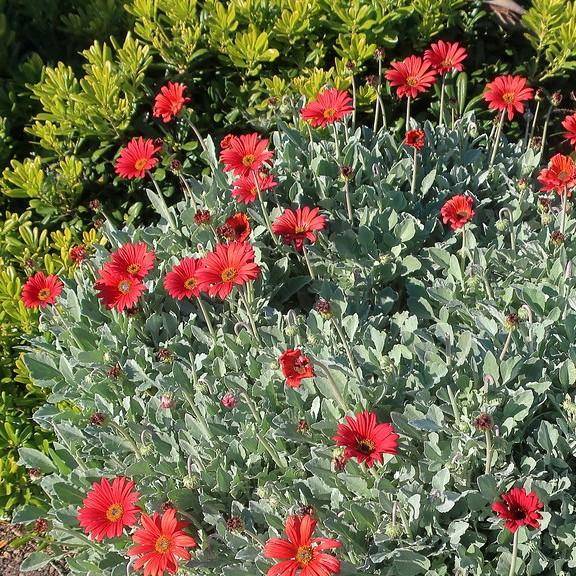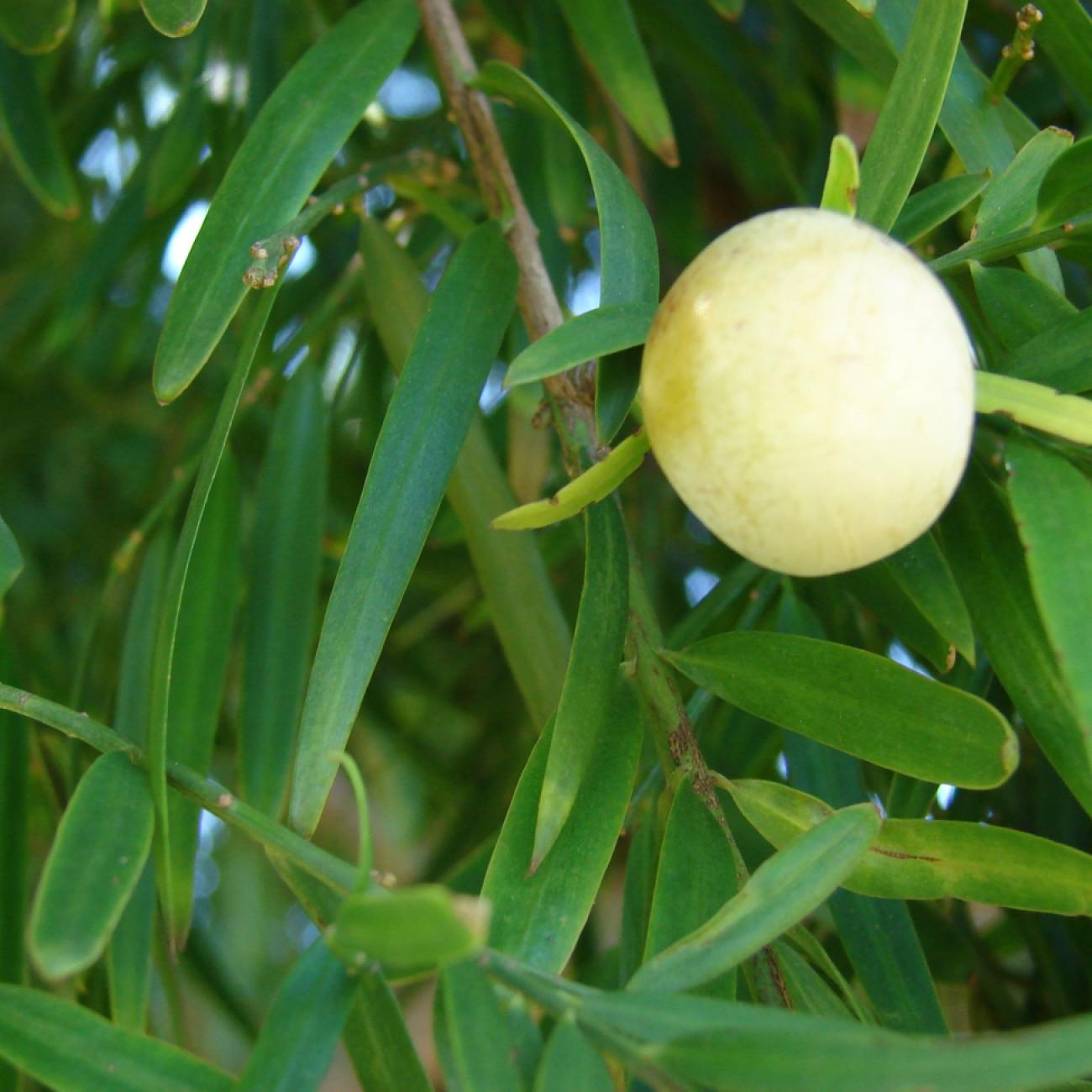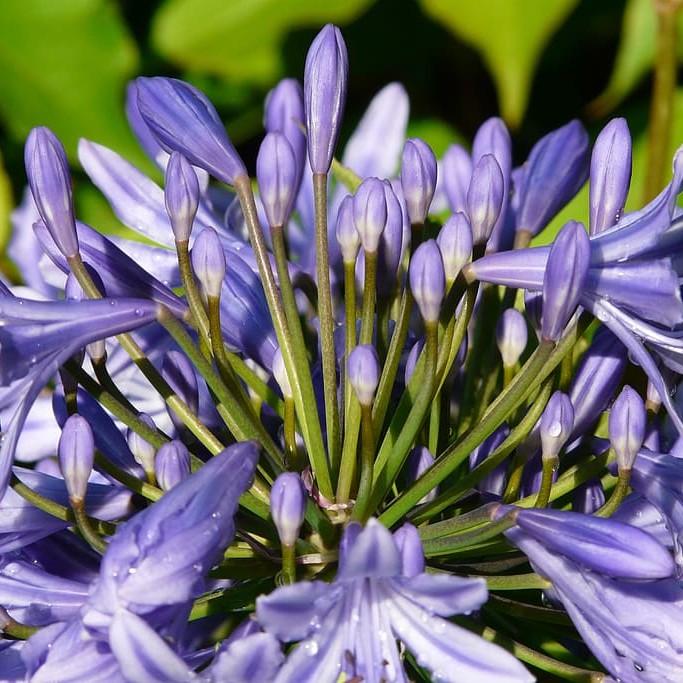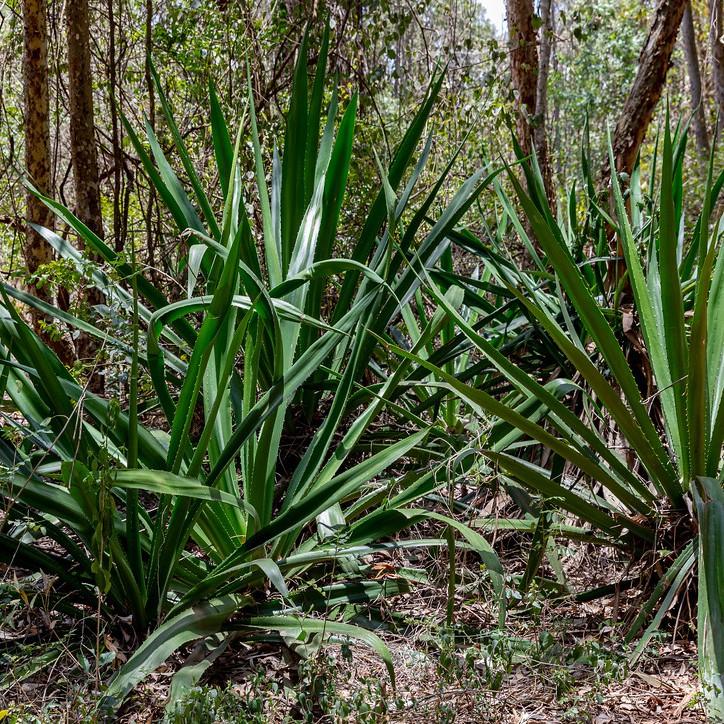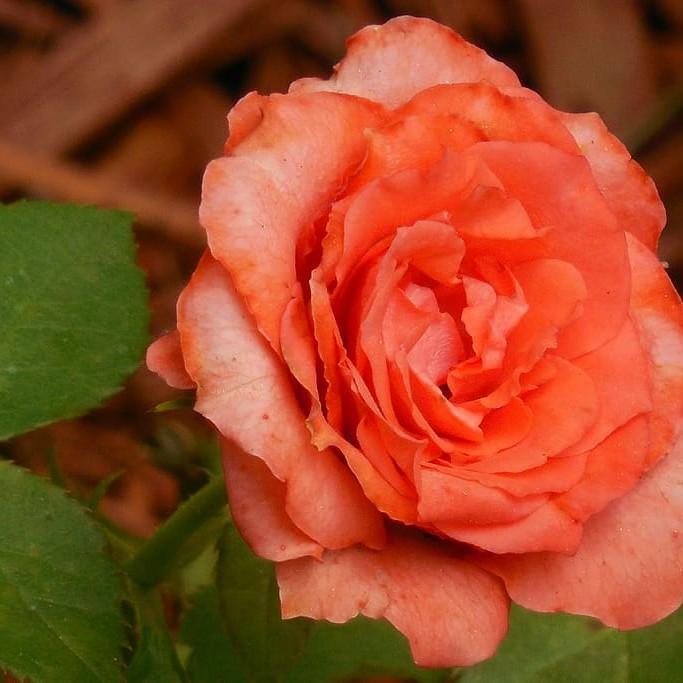
flowering quince
Chaenomeles 'Orange Storm'
Overview
The flowering quince 'Orange Storm' is an amazing plant species due to its vibrant orange color, ease of care, and unique shape. This deciduous shrub has showy double-petaled blooms in early spring. An ornamental asset to any garden, its cascading clusters of orange, semi-double flowers will add an eye-catching burst of color against its bronze-green foliage. It needs minimal care, and tolerates heat, drought, and freezing temperatures. This plant species is great for both the beginning and experienced gardener.
Care Guide
Watering
Water 'Orange Storm' flowering quince once or twice per week depending on soil moisture. When watering, the soil should be moist but not saturated. Allow the top few inches of soil to dry out before providing more water. Check the soil moisture by sticking your finger into the soil; if it is damp, then no additional water is needed. To promote blooming, provide plenty of water during the growing season.
Light
Flowering quince (Chaenomeles 'Orange Storm') should receive at least 6 hours of direct sunlight per day. The best time to expose the plant to sunlight is between mid-morning and late afternoon, when the rays of the sun are less intense and intensity of ultraviolet light is lower. Avoid exposing the plant to intense sunlight during the hottest time of the day. During the hot summer months, it is preferable to provide the plants with partial to full shade.
Temperature
Hardiness zone 5-9.
Pruning
Flowering quince (Chaenomeles 'Orange Storm') pruning should be done annually to keep the plant looking its best. The optimal time for pruning is late winter or early spring, just as new growth is beginning to appear. Prune away any dead, diseased, or damaged stems at this time. You should also remove any suckers that emerge from the roots and trim back the existing branches to your desired shape. When pruning Flowering quince, start at the top and work your way down, making sure to remove no more than a third of the total growth each year. Additionally, prune away any branches that cross or rubbing each other, as this can cause damage.
Propagation
Grafting Propagation, Layering Propagation, Cutting, Division, Seed Propagation
Related plants
Other plants you might like if you grow flowering quince.