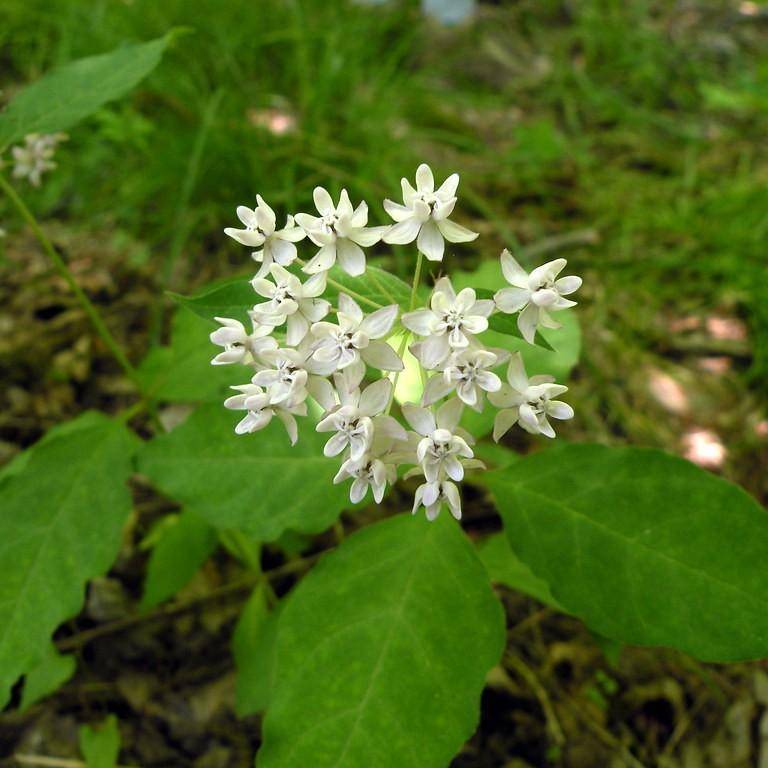
fourleaf milkweed
Asclepias quadrifolia
Overview
The fourleaf milkweed (Asclepias quadrifolia) is an amazing plant species that can be grown as an annual or perennial depending on the region. It is an attractive flowering plant with clusters of white to pinkish-purple blooms that are surrounded by four lance-shaped leaves. It is renowned as a host plant to the endangered Monarch butterfly, providing vital nectar and shelter. The seeds of the milkweed are also highly nutritious, making it a valuable food source for wildlife, while its robust taproot can help to break up soils and improve drainage in gardens. Fourleaf milkweed is sure to bring vibrancy and contrast to any garden!
Care Guide
Watering
Fourleaf milkweed prefers optimal soil moisture. Water when the soil feels dry to an approximate depth of 2 inches. Young plants should be watered more often than established plants. In general, you should water your fourleaf milkweed every 2-3 days or when the soil feels dry, so long as the weather remains sunny and hot. During hot, dry weather, you may need to water more often than every 3 days. When it rains, reduce the amount of water you give your fourleaf milkweed. In cold winter months, the soil may need to only be watered once a month or less.
Light
Fourleaf Milkweed (Asclepias quadrifolia) prefers to be grown in full sun, meaning it requires 6-8 hours of direct sunlight per day. This plant prefers sandy or gritty soils, ideally fertilized with a slow-release fertilizer with nitrogen, phosphorus, potassium, and potential micronutrients. To ensure the best growth and flowering, the soil should be well-draining and soil pH around 6.5. Avoid excessive watering or over-fertilization, as this can lead to root rot, and provide supplemental water as needed.
Soil
Sand, Loam
Temperature
Hardiness zone 5-8.
Pruning
Fourleaf milkweed (Asclepias quadrifolia) should be pruned in the late winter or early spring before new growth begins. This typically occurs 2 to 4 weeks before the last expected frost date in your area. This allows for the services of the plant to be preserved while encouraging healthy growth. When pruning, remove any dead, damaged or diseased stems. Cut back plants to 6" or up to 12" depending on their desired shape. Pruning helps the plant put more energy into producing new growth, flowers, and seed pods, which makes for a healthier plant overall. When pruning, use very sharp pruners and make clean cuts.
Propagation
Seed Propagation, Root Cutting, Division, Layering Propagation
Uses & Symbolism
Attracts: Butterflies.
Related plants
Other plants you might like if you grow fourleaf milkweed.