%22%2F%3E%0A%20%20%20%20%20%20%3Ccircle%20cx%3D%22920%22%20cy%3D%22180%22%20r%3D%2290%22%20fill%3D%22%23cfe8d5%22%2F%3E%0A%20%20%20%20%20%20%3Cpath%20d%3D%22M600%20590c-90-180-215-255-310-280%200%20165%20118%20296%20270%20296h40z%22%20fill%3D%22%2379b88e%22%2F%3E%0A%20%20%20%20%20%20%3Cpath%20d%3D%22M600%20590c80-150%20198-212%20302-228-8%20142-123%20255-270%20255h-32z%22%20fill%3D%22%235c9f73%22%2F%3E%0A%20%20%20%20%20%20%3Cpath%20d%3D%22M600%20610V360%22%20stroke%3D%22%234f8c64%22%20stroke-width%3D%2218%22%20stroke-linecap%3D%22round%22%2F%3E%0A%20%20%20%20%20%20%3Ctext%20x%3D%22600%22%20y%3D%22700%22%20text-anchor%3D%22middle%22%20font-family%3D%22Arial%2C%20sans-serif%22%20font-size%3D%2244%22%20fill%3D%22%23365c45%22%3E%0A%20%20%20%20%20%20%20%20Plant%20image%20coming%20soon%0A%20%20%20%20%20%20%3C%2Ftext%3E%0A%20%20%20%20%3C%2Fsvg%3E%0A%20%20)
garden pinks
Dianthus 'Rainbow Loveliness'
Overview
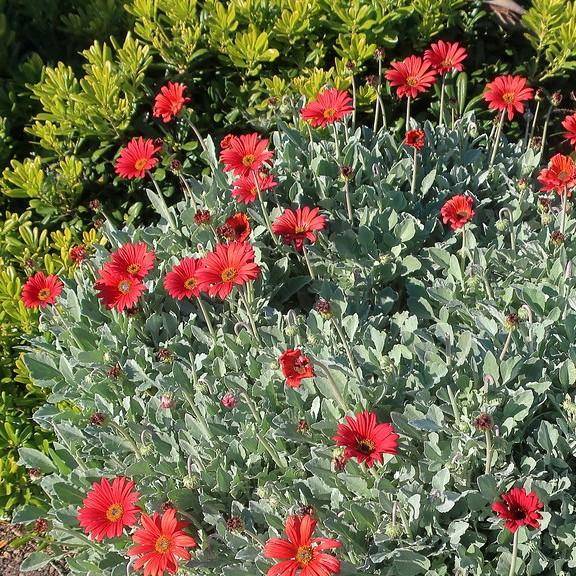
Garden Pinks (Dianthus 'Rainbow Loveliness') are a truly stunning plants. Their delicate blooms come in a variety of vibrant colors that fade into the evening sky as the day comes to an end. The plants are disease-resistant and only require minimal maintenance. They attract butterflies and other pollinators, and can add a wonderful hint of color to any outdoor space. They can even be planted in containers or window boxes, making them perfect for any front porch or patio. Garden Pinks are a delight to admire, a pleasure to grow, and one of the best additions to any garden.
Care Guide
Watering
Garden pinks (Dianthus 'Rainbow Loveliness') should be watered regularly with slightly acidic water. It is best to water the plants thoroughly but infrequently, aiming to keep their soil lightly moist. Water the garden pinks every 10-14 days during the spring and summer months, and every 3-4 weeks in the fall months. Back off on the amount of water during the winter months and only water when the soil is starting to dry out.
Light
Garden pinks (Dianthus 'Rainbow Loveliness') are most comfortable in full sun circumstances, meaning they require at least 6 hours of direct sunlight every day. Ideally, they should be placed in the sunniest part of the yard or garden and should not be shaded by larger plants or trees. During the peak of summer, these plants may require protection from the intense midday sun, as too much exposure could cause foliage damage.
Temperature
Hardiness zone 3-8.
Pruning
Garden pinks (Dianthus 'Rainbow Loveliness') should be pruned after blooming in the late spring or early summer. It is best to start by removing faded blooms and dead foliage to maintain health and structure of the plants. In addition, you may want to shape or thin the clumps to keep the plants looking more compact. For more structural pruning, wait until the winter or early spring. This may require cutting the plant back down to the basal foliage. Be sure to remove all unhealthy, diseased or dead wood. Make sure to never cut back more than 1-third of the plant's live growth.
Propagation
Division, Cutting, Layering Propagation, Seed Propagation
Related plants
Other plants you might like if you grow garden pinks.