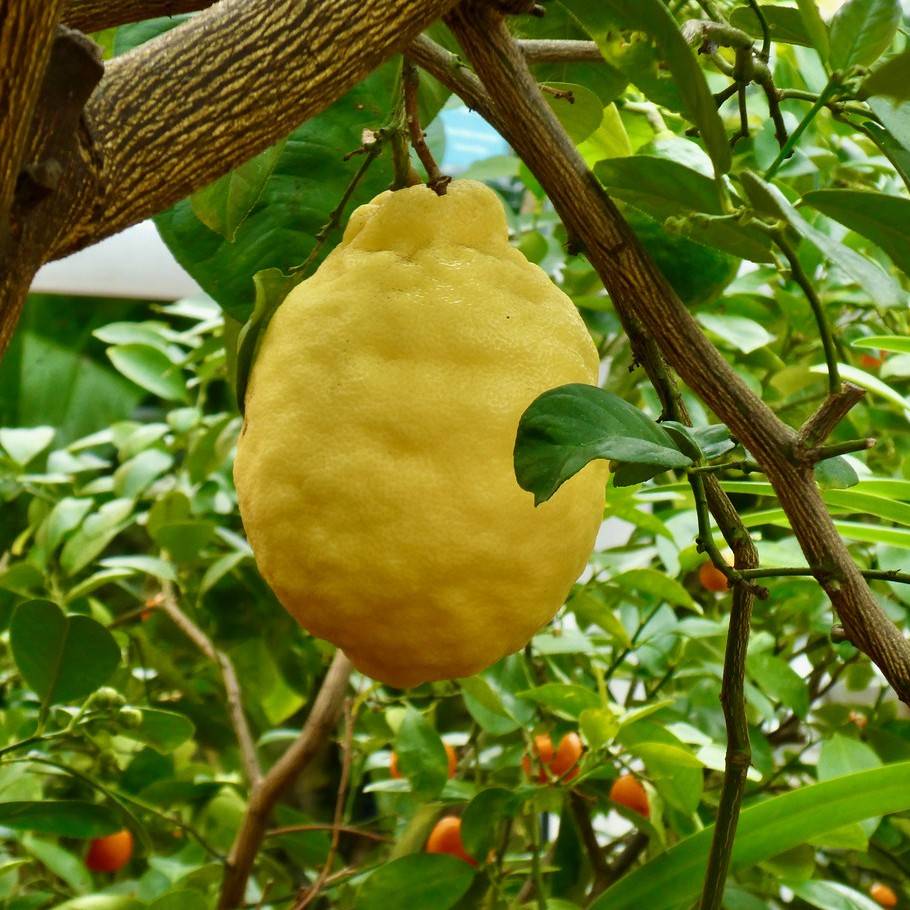
giant lemon
Citrus 'Ponderosa'
Overview
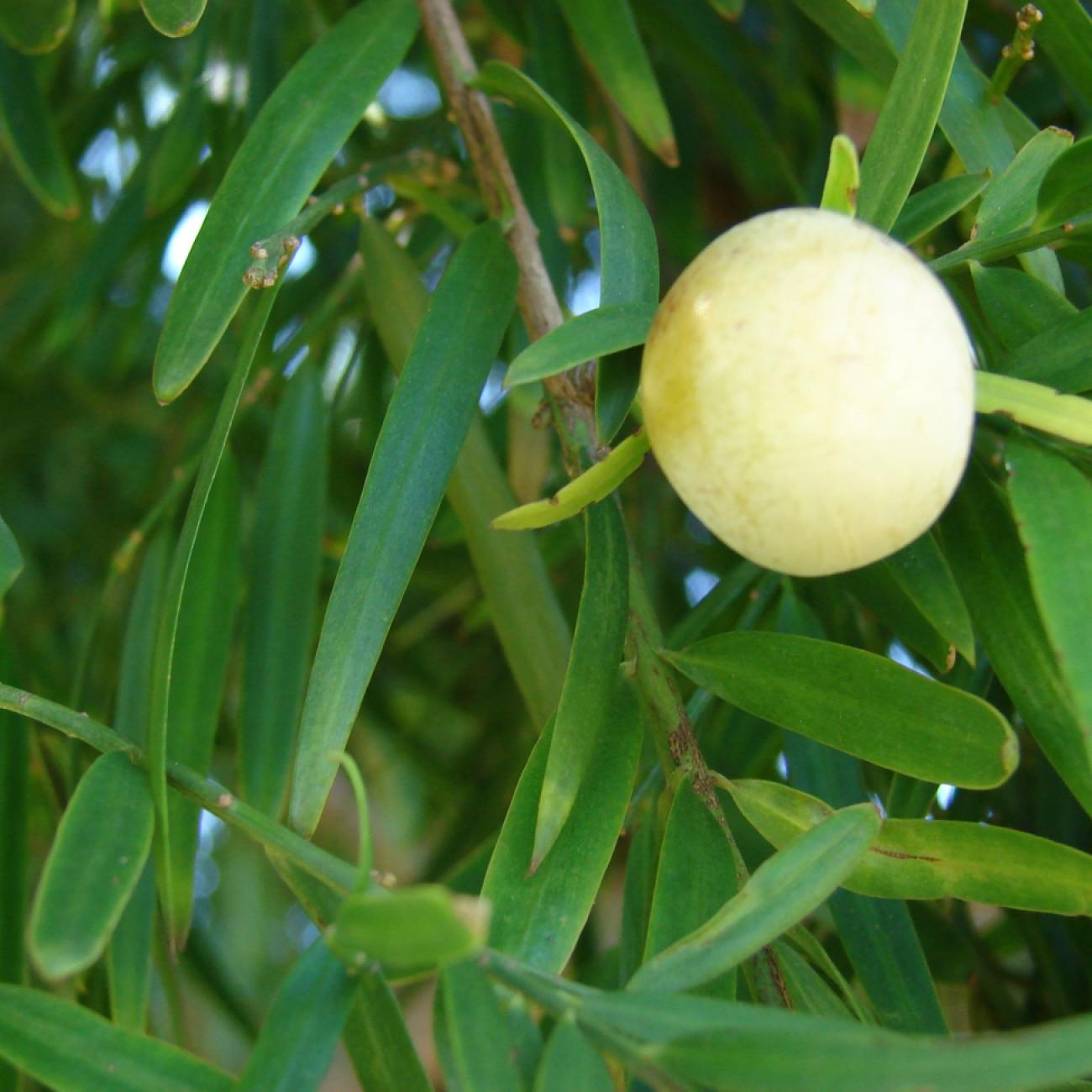
Giant lemon (Citrus 'Ponderosa') is an amazing plant species that is known for its refreshing, tart flavor and large size. The fruit of this species can grow up to 3 times larger than the average lemon, making it perfect for zesting, juicing, and adding to dishes. It is also rich in Vitamin C, which makes it an excellent source of nutrition. The giant lemon's robust, fragrant flavor works well in salads, sweet dishes, and marinades, and its zest is an especially creative addition to many recipes. A hardy plant, this citrus can be grown indoors or out and is sure to bring a delightful flavor to any dish.
Care Guide
Watering
Watering giant lemon (Citrus 'Ponderosa') plants generally requires watering deeply but infrequently. Watering should be done in the mornings, and only when the top inch or so of soil feels dry to the touch. Established trees have more drought tolerance than young trees. On average, providing 1.5 inches of water per week is usually sufficient, although during hot weather more watering may be necessary. Deep soakings every 10-14 days will best ensure roots are getting enough water while discouraging shallow, frequent waterings.
Light
Giant lemon (Citrus 'Ponderosa') plants need a lot of sunshine to thrive. During the peak growing season, full sun (6 to 8 hours of direct sunlight) is ideal for these plants. Ideally, they should receive light from late morning until early evening. During the cooler months, the plants can tolerate light shade, but should still get a few hours of partial sun each day. When growing indoors, place Giant lemon near a bright window to get its dose of daily sunlight.
Temperature
Hardiness zone 9-11.
Pruning
Giant lemon (Citrus 'Ponderosa') should generally be pruned in the late winter or early spring to encourage desirable growth and development. Pruning should involve removing dead or damaged wood, as well as selected branches that cross over 1 another or rub against each other. Pruning can also help prevent overcrowding and promote a healthy shape. Light pruning to remove any diseased, dead, or damaged branches should occur year-round, as needed.
Propagation
Air Layering Propagation, Grafting Propagation, Cutting, Seed Propagation
Related plants
Other plants you might like if you grow giant lemon.