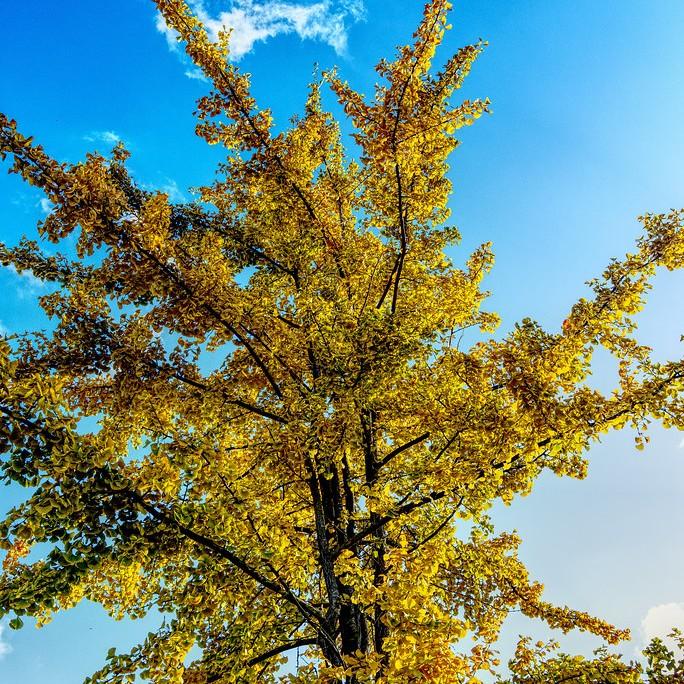
Ginkgo
Ginkgo biloba
Overview
Ginkgo is an amazing plant species with countless benefits. This deciduous tree can reach up to 35 meters tall and live for over 1,000 years. It has fan-shaped leaves that turn a brilliant yellow in the autumn. Because of this, it is often referred to as a living fossil. There are many health benefits associated with its leaves, including improved cognitive function and reduced risk of dementia. Ginkgo is also a source of antioxidants, which can help to reduce the effects of free radicals and protect against diseases. This unique species can even improve blood circulation and provide relief from symptoms of asthma and allergies. Ginkgo is truly an amazing plant!
Care Guide
Watering
Ginkgo (Ginkgo biloba) should be watered thoroughly and deeply when its soil begins to dry out. During periods of prolonged dryness or extended periods of hot weather, it may need to be watered twice a week. Water Ginkgo until the water runs out from the holes in the bottom of the container, and wait until the top 2-3 inches of soil are dry before re-watering. Avoid prolonged periods of soaking wet soil, as this will lead to root rot. If grown outdoors, Ginkgo should need less frequent watering than those grown indoors. If it is grown in soil, water irrigations should be provided to the soil every 10 to 14 days during the summer months. During the winter, Ginkgo should need less frequent waterings. If it is grown in a pot, water it whenever the top inch of soil becomes dry. Allow the water to thoroughly saturate the soil before draining.
Light
Ginkgo (Ginkgo biloba) is best suited to a sunny spot with indirect sunlight, preferably for a few hours in the afternoon or morning. The plant will perform best if given at least 5 hours of direct sunlight and 3 hours of indirect sunlight daily. In hot climates, Ginkgo should be given some light shade in the hottest part of the day. When planted in a spot with too little light, the growth and development of Ginkgo will be stunted and its leaves may become pale.
Soil
Well-drained
Temperature
Hardiness zone 4-4.
Pruning
Ginkgo (Ginkgo biloba) trees should be pruned once per year, usually in late winter or early spring, when the tree is at its most dormant. Pruning should be done conservatively and with care, since the tree is sensitive to disturbance and severe pruning can be damaging. For normal maintenance purposes, any dead, diseased, or damaged wood should be removed and stems that are crossing or rubbing over 1 another should be thinned out to allow air and light penetration. When pruning, avoid removing any significant amount of healthy wood, since this can harm the tree's overall structure and growth. Instead, focus on removing sprouts and branches that are smaller and growing too close to the main structure of the tree. Be sure to use sharp, clean pruning tools and sanitize the blades between cuts to help prevent spreading airborne diseases.
Propagation
Seed Propagation, Greenwood Cuttings, Grafting Propagation
Diseases & Pests
Common pests: Fungal leaf spot, Nematodes, Root rot, Pest resistant, Disease resistant, Deer resistant, Drought resistant .
Related plants
Other plants you might like if you grow Ginkgo.