glory-bower
Clerodendrum wallichii
Overview
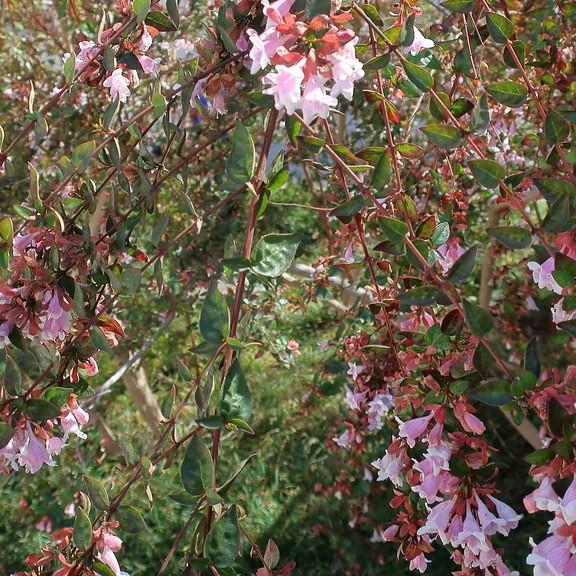
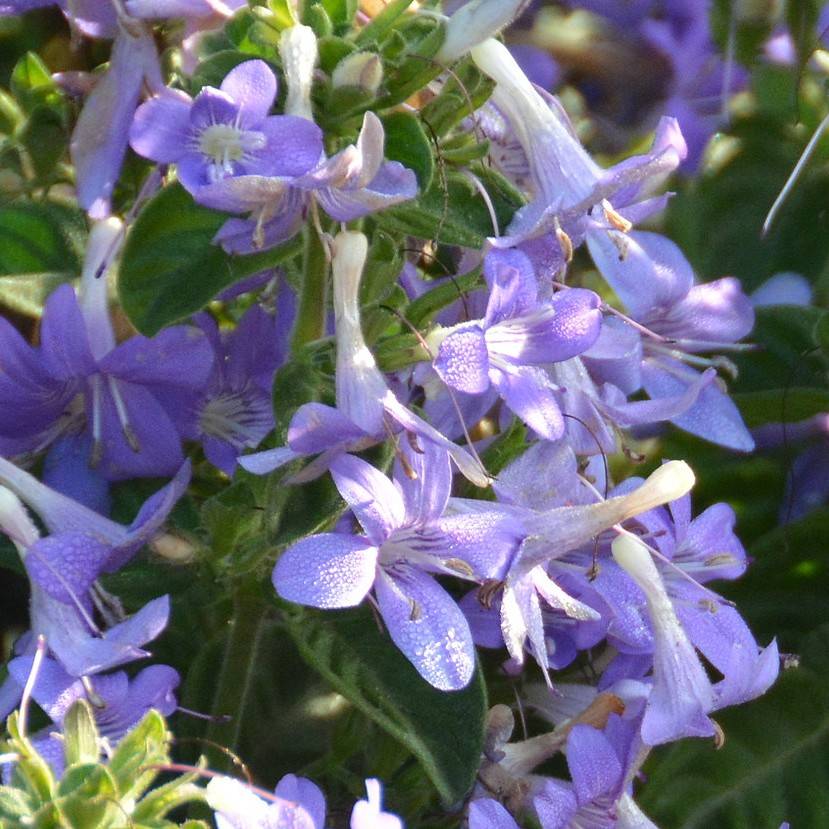
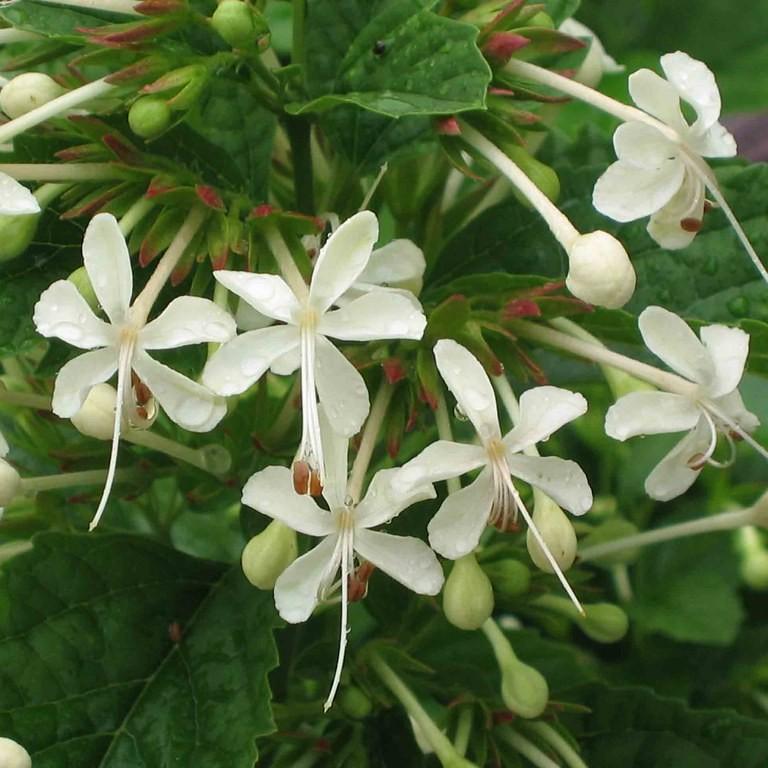
The Glory-bower (Clerodendrum wallichii) is an amazing plant species due to its impressive vibrant flowers. These fragrant blooms range in color from rich pink to lavender-blue and are held in long, draping clusters on twining vines. Additionally, the shiny evergreen foliage of the Glory-bower stays year round, adding a nearly constant source of greenery to the landscape. Once established, the plant is extremely easy to take care of, needing minimal fuss. Lastly, its vibrant blooms are a perfect option for pollinator gardens and are sure to draw in plenty of hummingbirds and butterflies.
Care Guide
Watering
Glory-bower (Clerodendrum wallichii) is a very easy-to-care-for plant and requires minimal care once established. The plant should be watered regularly, about once or twice a week, allowing the top few inches of soil to dry out between waterings. In summer, water more often during periods of hot or dry weather. During the cooler months, reduce watering, allowing the soil to become slightly drier between waterings.
Light
For optimum growth, the glory-bower (Clerodendrum wallichii) should be exposed to full sun for at least 8 hours a day. Partial shade is also tolerated, but the plant will perform best when given full direct sunlight in the morning and/or mid-day.
Temperature
Hardiness zone 8-11.
Pruning
Pruning should be done several times a year for a glory-bower plant. Prune the plant after flowering in summer to remove dead flowers and stem ends, this helps to keep your glory-bower bush flowering longer. Prune again in late winter to reduce the plant height and encourage new, vigorous growth in the spring. Pruning should be done only as needed and not all at once, as over-pruning will limit flower production. Last but not least, in late summer prune any dead or dying branches and stems. Ensure that tools are sterilized and sharp before pruning to prevent any disease from spreading.
Propagation
Stem Propagation, Layering Propagation, Air Layering Propagation, Grafting Propagation, Division
Uses & Symbolism
Attracts: Birds, Butterflies.
Related plants
Other plants you might like if you grow glory-bower.