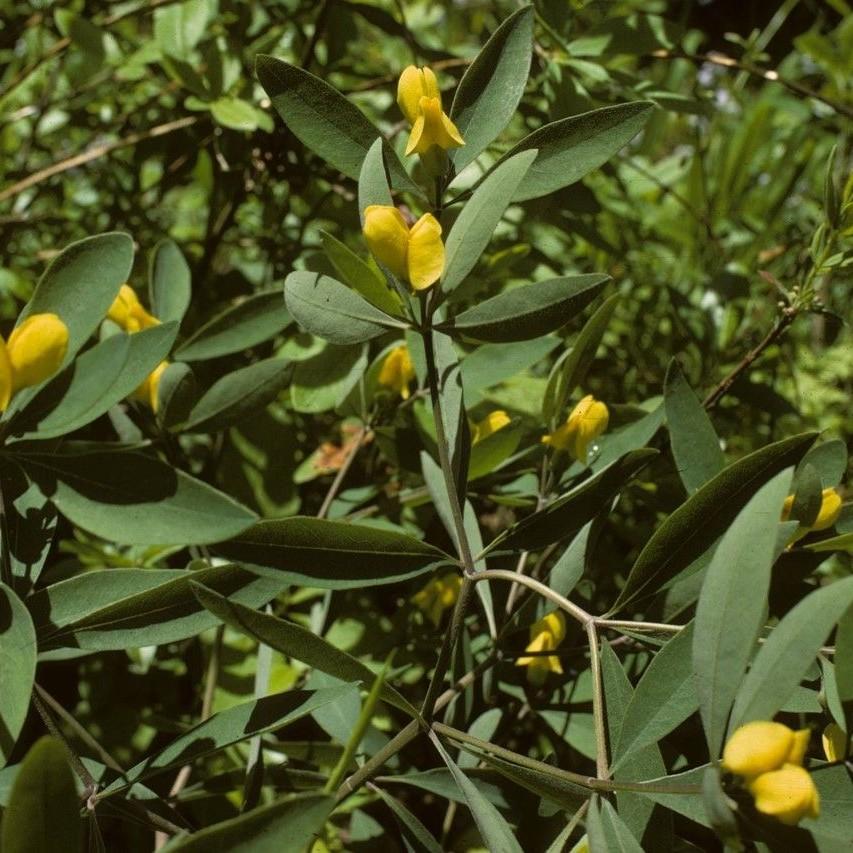
gopherweed
Baptisia lanceolata
Overview
Gopherweed (Baptisia lanceolata) is an amazing plant species. It's an upright perennial with bright blue flowers, purple pods, and attractive yellow-green foliage. Its deep roots can reach up to four feet, making it entirely drought-resistant and an excellent choice for gardeners in areas with low rainfall. It also attracts honeybees, bumblebees, and songbirds with its abundant nectar production. Gopherweed is an excellent source of nectar for beekeepers and a great addition to any garden due to its easy maintenance and hardiness. Not only is it a reliable and beautiful addition to any landscape, but its dried flowers are often used as a medicinal herb.
Care Guide
Watering
For Gopherweed, it is recommended to water the soil deeply once a week during the growing season, which is typically between late Spring and early Fall. The frequency of watering may need to be adjusted depending on the soil type, the amount of rain it receives, and the temperature of the environment. During the hotter months, it may need to be watered more often. When watering, it is important to ensure that the soil is adequately moistened all the way through. If the top layer of soil appears dry, it is likely that the plant is in need of more water. Soil that is overly dry will require more water than soil that has been kept moist.
Light
Gopherweed (Baptisia lanceolata) requires full sun for most of the day for optimal growth. Ideally, gopherweed should get at least 6 hours of direct sunlight per day, with 8 hours being preferable. Morning sun and late afternoon sun are the best times for this species, as these times provide more intense light due to the angle of the sun relative to the plant. Gopherweed should be shaded from intense midday sun to prevent scorching or wilting of the leaves. If the sun isn’t available for the necessary amount of time, artificial lighting during those times can provide adequate light.
Temperature
Hardiness zone 6-9.
Pruning
Gopherweed (Baptisia lanceolata) should be lightly pruned in late winter or early spring, before active growth begins. During this dormant period, small, weak shoots can be pruned out, and a light shearing of the plant can be beneficial to maintain its shape. If larger pruning is desired to control size or shape, make sure to leave some of the older wood, since this is essential for producing blooms in the summer. Additionally, it is important to avoid pruning after the plant begins actively growing, since that could remove potential flowers.
Propagation
Seed Propagation, Root Cutting, Division
Related plants
Other plants you might like if you grow gopherweed.