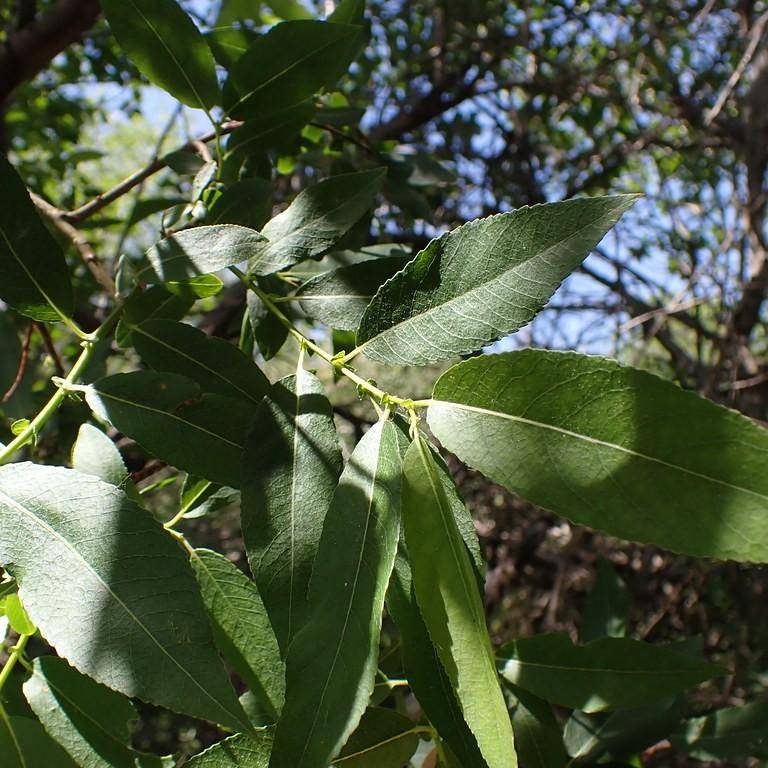
grey alder
Alnus incana
Overview
Grey Alder (Alnus incana) is an amazing species of plant due to its hardy nature. It is native to much of Europe, Asia and North America, and can tolerate a variety of soil and climate conditions. Grey Alder is often planted as an ornamental tree due to its distinctive grey-green foliage and spreading habit. It is also a valuable wildlife species, providing food and shelter to a variety of birds and animals. Grey Alder is also often chosen for improving soil fertility and helping to protect watersheds from pollutants. This resilient species is great for urban and rural landscaping and is definitely worth consideration!
Care Guide
Watering
Grey alder prefers moist soil and does best when watered regularly. During the growing season, it should be watered at least twice a week, allowing the top 2-3 inches of soil to become slightly dry between waterings. In the winter, water less often but keep the soil from drying out completely. Watering should occur approximately every 2 weeks in the winter months, unless there is no rain or snow to keep the soil moist.
Light
Grey alder (Alnus incana) is a deciduous shrub that prefers to grow in moist, fertile, full-sun sites. The plant will typically thrive when it gets direct sun for at least 6-8 hours a day in the spring and summer months, with the best exposure being morning sunlight. In cooler climates, grey alder can tolerate partial shade, but it’s always best to select a site with full-sun exposure when possible.
Soil
Sandy Loamy Clay Humus
Temperature
Hardiness zone 2-6.
Pruning
For Grey alder plants, pruning should be done in late winter throughout the plant's lifetime when it is dormant. Pruning should be done at a moderate level. Remove no more than 1/3 of the stems to keep the plant full, tidy, and healthy. Branches that are dead, dying, or crossed over should be removed. Generally, the plants should be pruned to keep them below 8 feet in height and 4 feet in width.
Propagation
Layering Propagation, Cutting, Grafting Propagation, Seed Propagation
Uses & Symbolism
Attracts: Birds.
Related plants
Other plants you might like if you grow grey alder.







