hawthorn
Crataegus coccinea
Overview
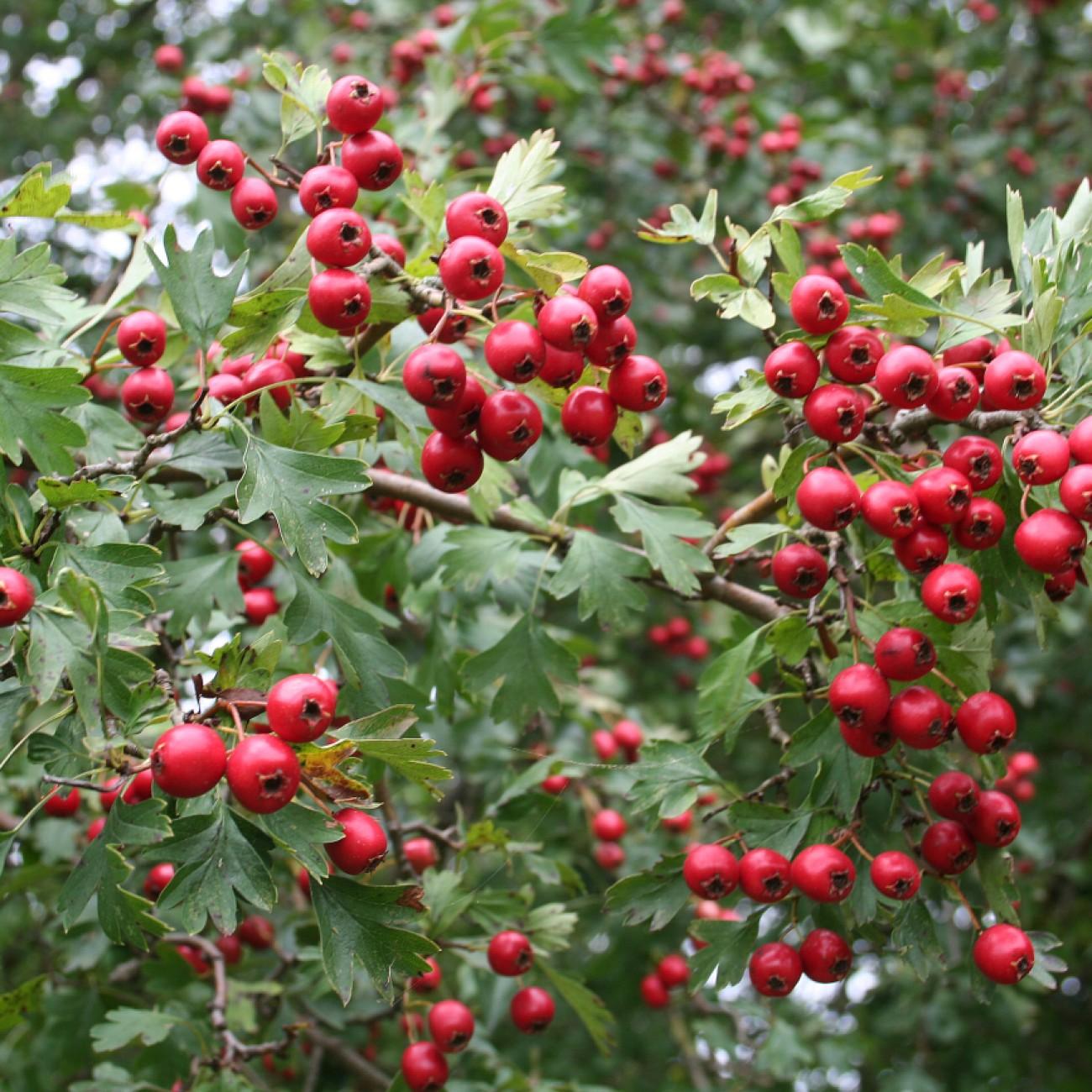
Hawthorn (Crataegus coccinea) is an amazing plant species. Known for its sweet, tart fruit, it is widely cultivated for its decorative white flowers and legendary medicinal benefits. The shrub boasts a thick, dense crown of spiny branches, and its bright red berries are popular with birds and mammals. Hawthorn is also an excellent source of Vitamin C, and is known for its healing powers, used to treat heart ailments since antiquity. Its knotted roots are strong and durable, allowing the plant to survive for centuries. When planted in the right conditions, Hawthorn can provide a rewarding habitat for many creatures, which makes it an essential part of any biodiverse ecosystem.
Care Guide
Watering
Hawthorn should be watered regularly but not too frequently. During the summer when temperatures are warm, it should be watered about once a week, making sure the soil around the roots remains moist but not soggy. During the spring and fall, water the plants every other week. In the winter, only Water if the topsoil is dry. Too much water can lead to root rot and other diseases. When watering, ensure that all of the roots are getting wet, not just the surface in a shallow layer, and don’t leave standing water. A deep soak is best.
Light
Hawthorn (Crataegus coccinea) plants thrive in sunny locations, and do best when they receive 6-8 hours of direct sunlight per day. During the spring and summer, they should receive full sun, and in the fall and winter, partial shade is preferable. It is important that direct sunlight be supplemented with some shade, as too much sunlight will dry out the plants, causing them to become stressed and more susceptible to disease.
Temperature
Hardiness zone 4-7.
Pruning
Hawthorn (Crataegus coccinea) should be pruned during late winter or very early spring when the tree is still dormant. Prune back the older branches for thicker new growth but leave some of the older branches for a more natural look. For the younger, less mature branches, prune slowly and significantly less than the older ones so as to encourage thicker growth. Pruning should be done sparingly and judiciously in order to keep the tree natural looking and not take off too much. To prune this species, use pruning shears or pruners to make clean, defined cuts. Pay attention to the shape and growth of the tree and prune accordingly.
Propagation
Seed Propagation, Cutting, Layering Propagation, Grafting Propagation, Budding
Uses & Symbolism
Attracts: Birds, Butterflies.
Related plants
Other plants you might like if you grow hawthorn.