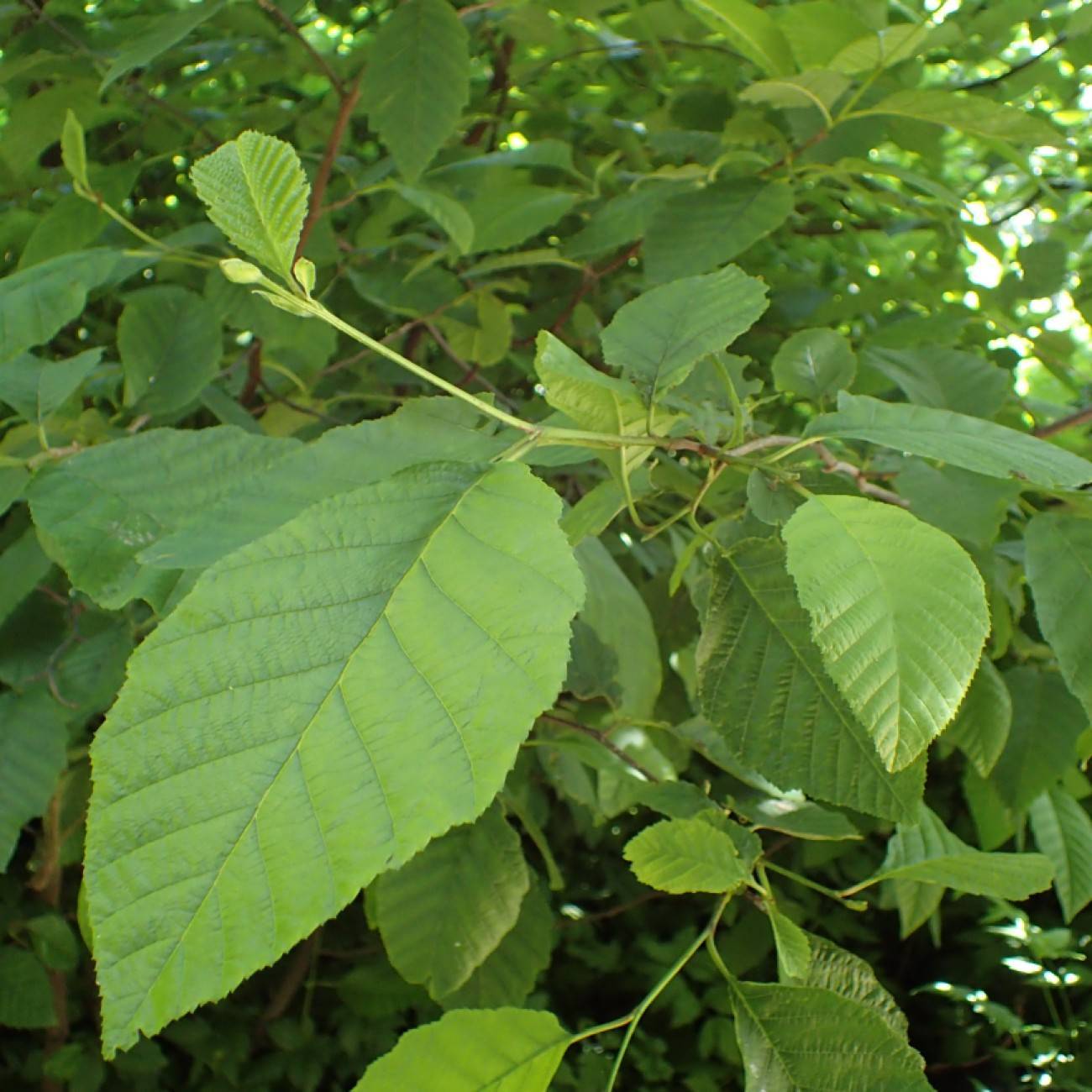
hazel alder
Alnus incana subsp. rugosa
Overview
Hazel alder (Alnus incana subsp. rugosa) is an amazing plant species with a number of unique features. Its beautiful glossy and serrated foliage is dark green they turn a stunning reddish color in the fall. In addition its bark is an impressive grey with a texture that bears an attractive diamond pattern. Plus, this alder species is fast growing and tolerant of a variety of soils, prefer moist areas yet is also drought tolerant. Ultimately, hazel alder is an excellent addition to any landscape and will add beauty, texture, and color to any yard.
Care Guide
Watering
Hazel alder (Alnus incana subsp. rugosa) should be watered 2 to 3 times per week, depending on temperature and soil type. The soils should be kept slightly moist while the temperature is mild. During periods of hot temperatures, the plants should be watered more frequently, potentially up to 5 times a week. In cold temperatures, water less frequently, only when the soil is dry to the touch about 1 inch below the surface. Ensure that the soil is well-draining and not waterlogged because this can cause root rot.
Light
Hazel alder (Alnus incana subsp. rugosa) grows best in full sunlight. To meet its sun requirements, Hazel alder should receive 8 to 10 hours of direct sunlight each day during the growing season (April through September). During the winter months, Hazel alder can tolerate partial shade, but should still receive at least 6 hours of high-quality sunlight each day.
Soil
Sandy Loamy Clay Humus
Temperature
Hardiness zone 2-6.
Pruning
Hazel alder should be pruned in late winter or early spring before new growth begins. Wait until the plant is dormant and remove dead, diseased, or damaged branches, and any overcrowding. Young trees can also be pruned to encourage a desired shape. It is important not to prune too much as too much pruning can reduce the number of flowers and fruit the plant will produce.
Propagation
Seed Propagation, Cutting, Layering Propagation, Grafting Propagation, Division
Uses & Symbolism
Attracts: Birds.
Related plants
Other plants you might like if you grow hazel alder.