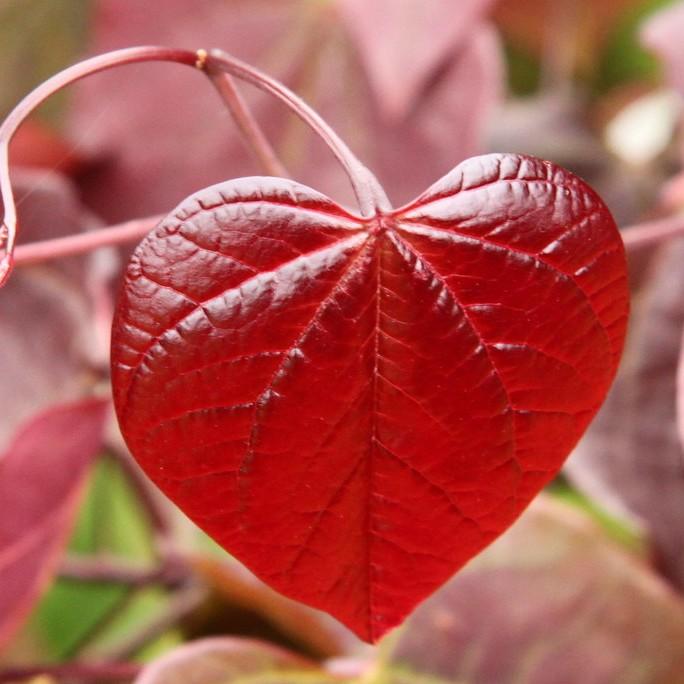
Hearts of Gold Redbud
Cercis canadensis 'Hearts of Gold'
Overview
Hearts of Gold Redbud is an eye-catching tree is a true stand-out. Its beautiful heart-shaped leaves glimmer in the sun as they change from a vibrant yellow-orange in the spring to a deep rich green-gold during summer and fall. In the spring, it produces an abundance of hot pink-tinted flowers that cover the entire tree, creating an incredible show of bright colors. Its dark purple buds further add contrast to the tree, making sure it stands out in any landscape. Its low-maintenance nature makes it a great choice for anyone wanting to easily maintain a stunning tree in their yard. Its bright colors and vigorous growth make it a must-have for any landscape.
Care Guide
Watering
Water your Hearts of Gold Redbud deeply and infrequently. As this is a drought-tolerant plant, it is important to avoid overly frequent watering, which can lead to root rot. Aim to water your plant deeply once every 1 to 2 weeks, depending on temperature. In hot, dry weather, you may need to water slightly more often to keep the soil consistently moist. Monitor the soil moisture to determine frequency of irrigation—it should feel dry to the touch 1 inch below the surface before more water is needed.
Light
Hearts of Gold Redbud (Cercis canadensis 'Hearts of Gold') prefers full sun to partial shade. It will tolerate full shade, but will not perform as well and tends to become leggy with sparse foliage. The ideal environment for this plant species is 6-8 hours of direct sunlight per day. If providing partial shade, it should be in the morning or late afternoon/early evening to protect the foliage from intense, mid-day heat.
Soil
Humus rich, Well-drained
Temperature
Hardiness zone 5-5.
Pruning
Hearts of Gold Redbud requires little pruning to maintain its shape and size. Generally, pruning should only occur in the early spring, before the plant starts to bloom. This is because the plant produces its blossoms on old wood, meaning it will not rebloom if pruned after blooms have begun appearing. Any pruning should focus on dead or diseased wood, as well as stems growing in unwanted directions. Pruning should also be done in such a way to maintain the natural shape of the plant and to keep it from becoming too leggy.
Propagation
Seed Propagation, Grafting Propagation
Uses & Symbolism
Attracts: Butterflies.
Diseases & Pests
Common pests: Canker, sap rot, Scale insects, Wilt.
Related plants
Other plants you might like if you grow Hearts of Gold Redbud.







