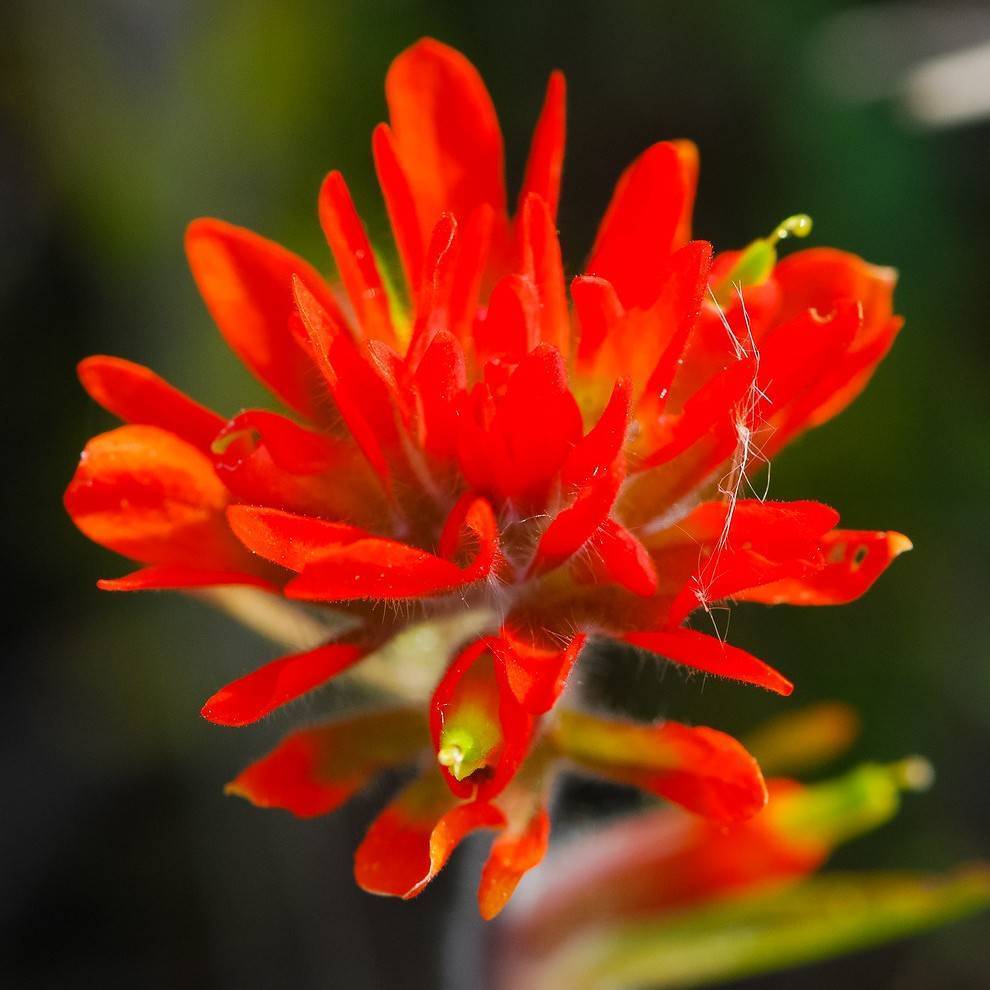
Indian paintbrush
Castilleja coccinea
Overview
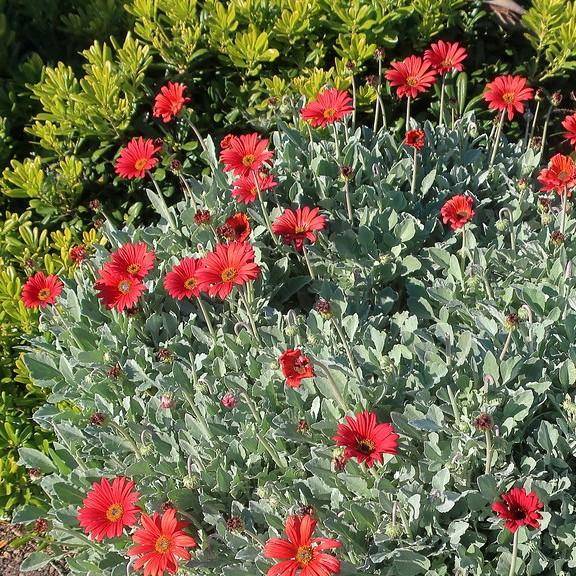
Indian paintbrush is an amazing plant species due to its vibrant colors and unique structure. The vibrant red and yellow flowering trends create an eye-catching display in its native habitat. Its delicate, hooded flowers are structured in such a way that it looks like each bloom has been dipped in paint - thus the name “paintbrush”. Its beauty is more than just ornamental though, and recent studies show that its fungal parasite influences flower color, attracting birds and other pollinators to visit. Its beauty and ability to adapt and thrive make it truly an incredible species.
Care Guide
Watering
Indian paintbrush should be given plenty of water when first planted. During the growing season, water Indian paintbrush every 2 to 4 days depending on the weather and the soil’s moisture levels. Aim to keep the soil moist but not water-logged. In the hottest part of the summer, water deeply twice a week and more if necessary. Once established, Indian paintbrush is fairly drought tolerant, so water sparingly in drier conditions. During the winter months, occasional deep watering should be sufficient.
Light
Indian paintbrush (Castilleja coccinea) is an herbaceous subshrub native to North American prairies and grasslands. This plant prefers full sun, which means it should receive at least 6 hours of direct sunlight each day. While it can tolerate growing in partial shade, it won’t be as vibrant and will look spindly. Indian paintbrush is best planted in the late spring or early summer in soil with good drainage and regular moisture. If planted in the late summer or fall, it may not have enough time to establish itself before colder weather sets in.
Soil
Sandy Loamy
Temperature
Hardiness zone 4-8.
Pruning
Indian Paintbrush (Castilleja coccinea) should be pruned by cutting away about a third of the plant in early spring. This will help encourage good air circulation and promote healthy new growth. Always prune back stem ends that contain no flower buds, as well as any stems that are broken or diseased. If your Indian Paintbrush is in need of extensive pruning, it’s a good idea to divide the plant in the fall or early spring. Dividing the plant will give you several new plants which can be used to fill in other areas of your garden.
Propagation
Seed Propagation, Division, Cutting, Layering Propagation
Uses & Symbolism
Attracts: Hummingbirds.
Related plants
Other plants you might like if you grow Indian paintbrush.