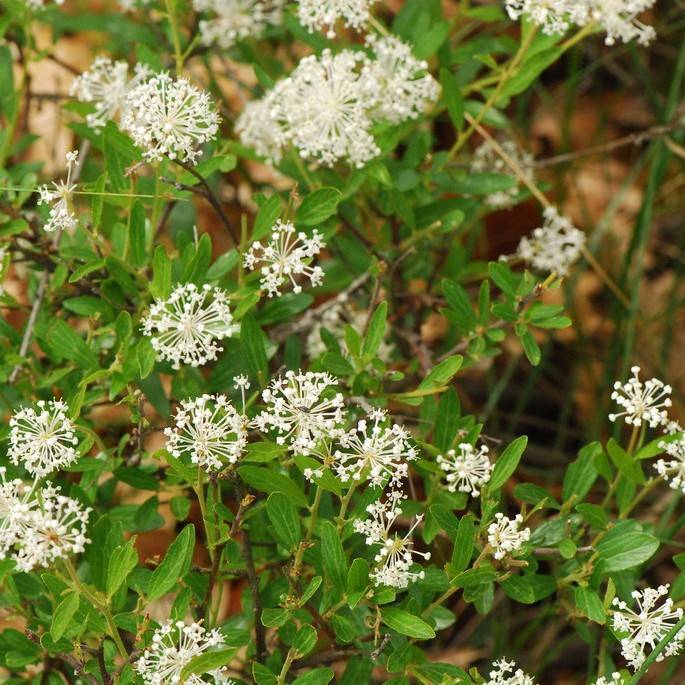
inland New Jersey tea
Ceanothus herbaceus
Overview
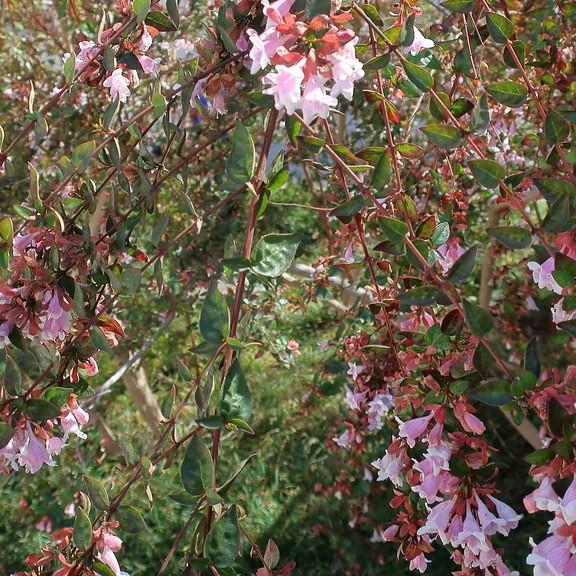
Inland New Jersey tea (Ceanothus herbaceus) is an amazing plant species native to North America. This species has an impressive range, spanning across the United States and in parts of Canada. It has dense, light green foliage that produces pinkish-white flowers. Its nectar is highly attractive to butterflies and other insects, making it a great addition to a butterfly garden. In the autumn, its leaves turn a vibrant yellow-orange, adding to its visual appeal. In addition, the plant is incredibly drought-tolerant and is known to be a hardy species, capable of surviving in harsh conditions. Its small size also makes it suitable for smaller yards. With its hardy and attractive attributes, the Inland New Jersey tea will surely make a beautiful and low-maintenance addition to your landscape.
Care Guide
Watering
This species of plant grows best when watered deeply and infrequently. Water the Inland New Jersey Tea firmly once a week, making sure to soak the soil deeply. On really hot days it may need more frequent watering. Make sure to allow the soil to dry out a bit between watering. It will benefit from a good soaking once a month, tending to its deeper roots.
Light
Inland New Jersey Tea (Ceanothus herbaceus) plants should receive at least 6 hours of direct sunlight each day, though they will tolerate a little less in shady locations. The best time of day for these plants to receive the sun is early in the morning and late in the afternoon. However, they can also be planted in more open areas where they will receive full sun all day long. They can also do well in partial shade, but should not be in complete shade. They need to be situated in areas that have well-drained soil and avoid areas that are prone to flooding.
Soil
Sand, Loam
Temperature
Hardiness zone 4-8.
Pruning
For Inland New Jersey Tea, it is best to prune in the late winter or early spring, before the growth of new buds appears. Start by removing dead or damaged branches. Cut the branches back to the healthy wood and as close to the trunk as possible. Be sure to make clean cuts. You can also thin the shrub back to encourage air circulation as well as removing any crossing or rubbing branches that could cause damage to the plant. When needed, you can lightly prune the sides of the shrub, maintaining an even shape. Do not prune more than 1-third of the plant's total foliage at any time.
Propagation
Seed Propagation, Cutting, Layering Propagation, Division
Uses & Symbolism
Attracts: Birds, Butterflies.
Related plants
Other plants you might like if you grow inland New Jersey tea.