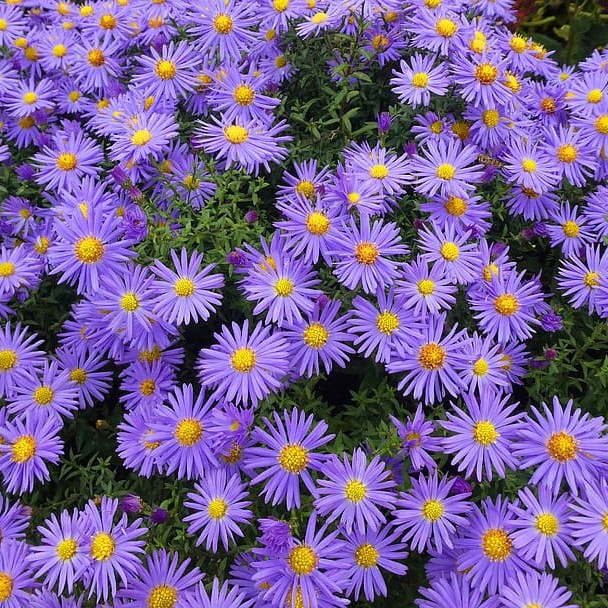
Italian aster
Aster amellus 'Veilchenkönigin' VIOLET QUEEN
Overview
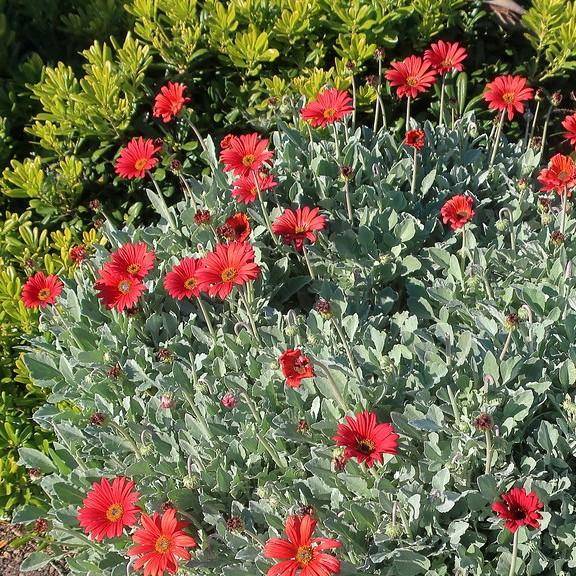
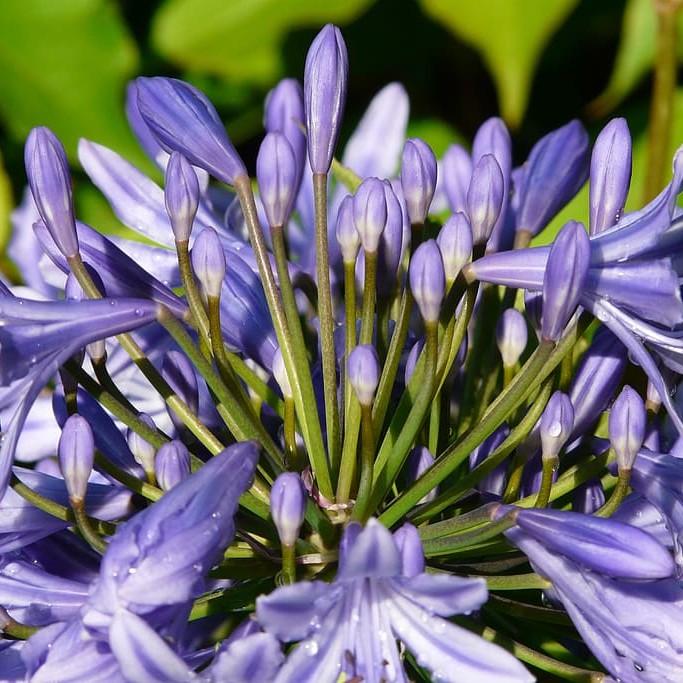
Italian aster (Aster amellus 'Veilchenkönigin' VIOLET QUEEN) is an absolutely stunning plant species. Its vibrant purple blooms reach up to 3 inches across and are exquisitely domed with lavender ray petals and can last into the fall season. Its unique foliage, with silver-green, silky leaves, is sought-after for floral arranging, and this hardy shrub is perfect for garden borders and flower beds. In addition, these perennials are easy to maintain and require only minimal pruning. For gardeners, this Italian aster is sure to add a splash of color and charm to any garden.
Care Guide
Watering
Italian aster requires 1 inch of water per week. It is best to water during the morning because the plant foliage dries quickly and the soil won’t become soggy during the night. During the hot summer months, Italian aster may need more frequent watering. Monitor the soil moisture frequently and water as needed. These perennials also prefer soil that is slightly moist but well drained.
Light
Italian Aster (Aster Amellus 'Veilchenkönigin' VIOLET QUEEN) will need plenty of sunlight for optimal growth and flowering. When grown outdoors in full sun, it should receive at least 6 hours of direct sunlight and plenty of indirect light each day. When grown indoors, place the plant near a south- or west-facing window to get as much light as possible. It will tolerate some shade, but keep direct light in mind.
Temperature
Hardiness zone 5-8.
Pruning
Italian aster (Aster amellus 'Veilchenkönigin' VIOLET QUEEN) should be pruned once a year in late winter, in February or March. Begin by removing any dead or damaged leaves, stems, or flowers. Then prune away any straggly stems, cutting just above the swelling of a bud or set of leaves. After that, reduce the stems by 1-third to 1-half, being sure to make clean cuts. Finally, cut the entire plant back by between 1-third and 1-half. This will help prevent the plant from becoming overcrowded and give it a neat, tidy appearance.
Propagation
Division, Cutting, Layering Propagation, Seed Propagation
Related plants
Other plants you might like if you grow Italian aster.