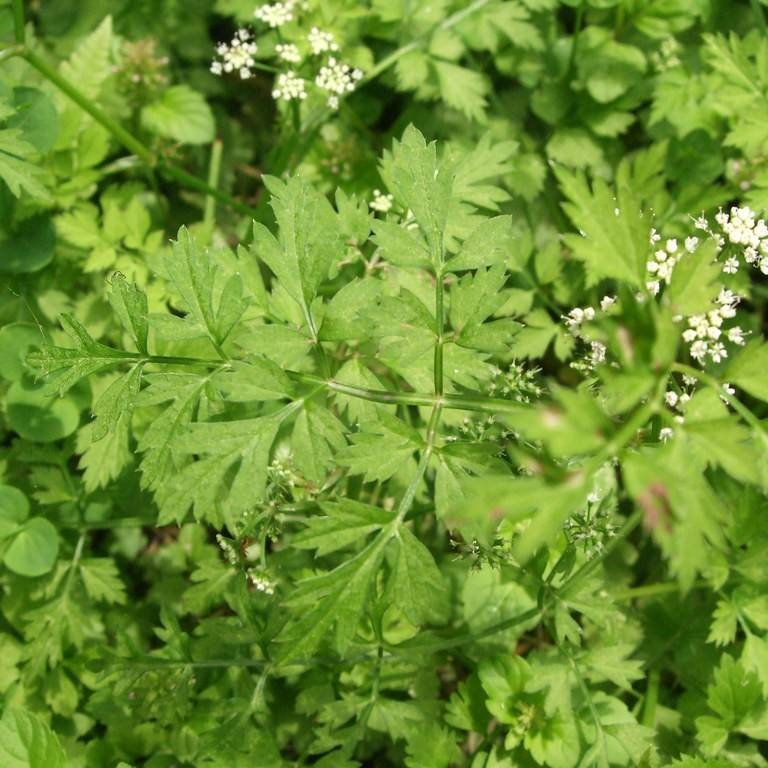
Japanese parsley
Cryptotaenia japonica f. atropurpurea
Overview
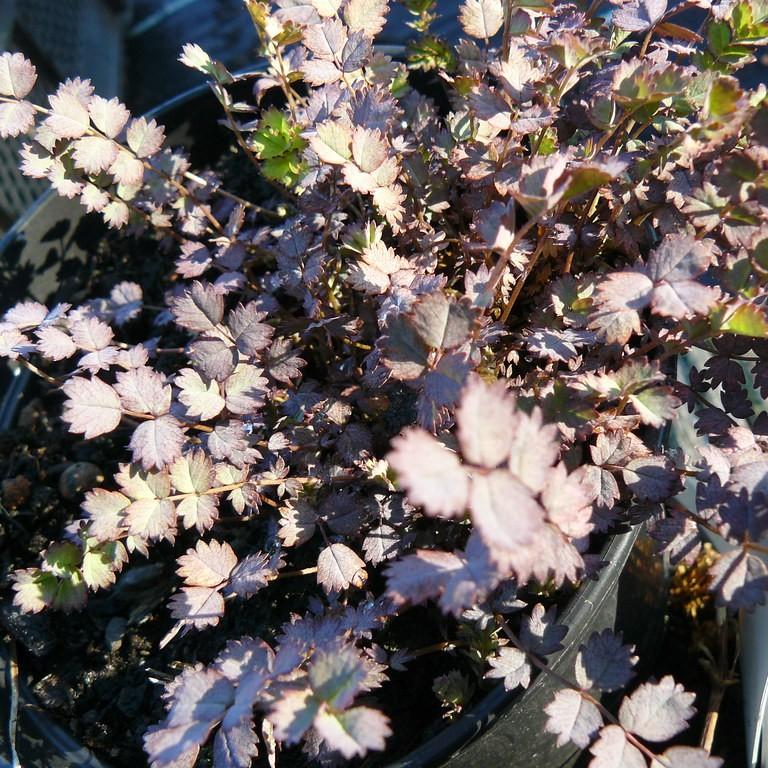
Japanese parsley (Cryptotaenia japonica f. atropurpurea) is an amazing plant species for its unique characteristics. It has beautiful deep purple foliage and a distinctive taste resembling lemon and celery. It can be found growing wild in Japan and also cultivated in gardens because of its beauty and aroma. The plants have hollow stems and aromatic leaves that are edible and have a mild flavor. They make great additions to salads and garnishes for many dishes. Japanese parsley is also known to enhance a dish's flavor, making it a great choice for chefs. Its slight hint of anise may even pair well with many dishes. With its unique flavor profile and beautiful appearance, Japanese Parsley continues to astound!
Care Guide
Watering
This species of parsley is very drought tolerant, but it does prefer regular watering to keep it looking its best. Water the Japanese Parsley once or twice a week, making sure to thoroughly moisten the soil. Allow the soil to dry out a bit between waterings. Avoid overwatering, which can cause root rot. Also, try to avoid getting the foliage too wet as this can cause fungal issues.
Light
Japanese parsley (Cryptotaenia japonica f. atropurpurea) prefers to be grown in full sun for at least 6 hours a day. If grown in a more shaded location, then they may not get enough sunlight to thrive. In optimal conditions, Japanese parsley should be exposed to direct sunlight for the majority of the day, however, some shade during the hottest part of the day would be beneficial. To prevent wilting and damage to the foliage, the plant should be exposed to the morning sun and moved to a more shaded location in the afternoon. Many species of parsley also prefer cooler temperatures, so it is important to provide some shade during the hottest parts of the day.
Temperature
Hardiness zone 5-8.
Pruning
Japanese parsley should be pruned in late spring or early summer when the plants are actively growing. Pruning should be done by removing any dead, damaged or diseased stems, as well as any stems that are significantly smaller than the others in the plant. In addition, Japanese parsley should be cut back by about 1-third to promote volume and bushiness. This encourages new growth to form, which can give the plant a fuller look. As a general guideline, aim to prune the plant before the end of June.
Propagation
Seed Propagation, Division, Cutting
Related plants
Other plants you might like if you grow Japanese parsley.