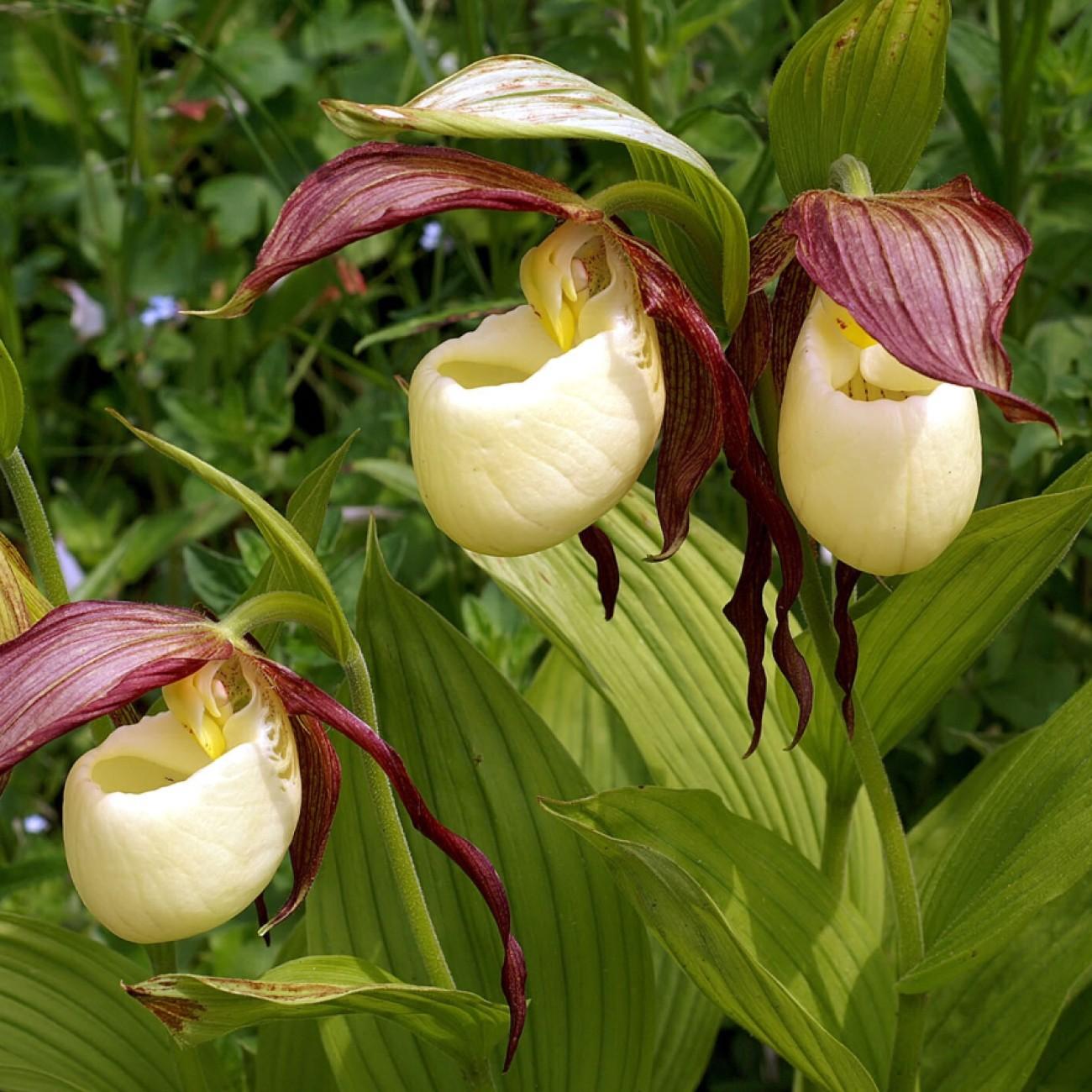
lady slipper
Cypripedium kentuckiense
Overview
The Lady Slipper (Cypripedium kentuckiense) is an amazing species of plant that can be found in North America. Its unique, large pink flower looks like a shoe with closed petals that resemble a slipper. Since it is a protected species you can find it mostly in the wild, like in woods, wetlands, and meadows. What makes is so interesting is that it grows in colonies and blooms beautiful pink flowers between June-August. The plant needs a specific environment in order to thrive, and the flowers will only open when temperatures are warm and bees come to pollinate them. It is definitely worth a spot in any garden as an amazing, rare specimen.
Care Guide
Watering
Cypripedium kentuckiense, or lady slipper, should be watered regularly and moderately. Water the plant regularly in the spring and summer months, but don't water too often or excessively. During this time, water every 2-3 days, or as needed to keep the soil moist but not soggy. In fall and winter, reduce watering to every 1-2 weeks, as the plant goes dormant. Avoid overwatering in winter, as this can cause root rot.
Light
Lady slipper (Cypripedium kentuckiense) plants prefer partial shade, receiving a few hours of direct sunlight each day in the mid-morning and late afternoon. In the warmer months, the plants can handle more sunlight but should be shielded from strong or intense mid-day sunlight, which can cause the leaves to burn. In colder months, lady slipper plants need less sun and should be shielded from temperatures below 55 degrees Fahrenheit to avoid frost damage.
Temperature
Hardiness zone 3-8.
Pruning
Lady slipper plants (Cypripedium kentuckiense) shouldn't be pruned too severely or too often. Pruning should be done lightly, once a year in early summer or late spring, when the plant is actively growing. Pruning should focus on removing dead foliage, thinning overgrown stems, and trimming back any misbehaving shoots that are invading other areas of the garden. Pinching off faded flower buds after blooming will help to encourage a more healthy plant and promote better flowering the following season.
Propagation
Division, Seed Propagation, Tissue Culture, Grafting Propagation
Related plants
Other plants you might like if you grow lady slipper.