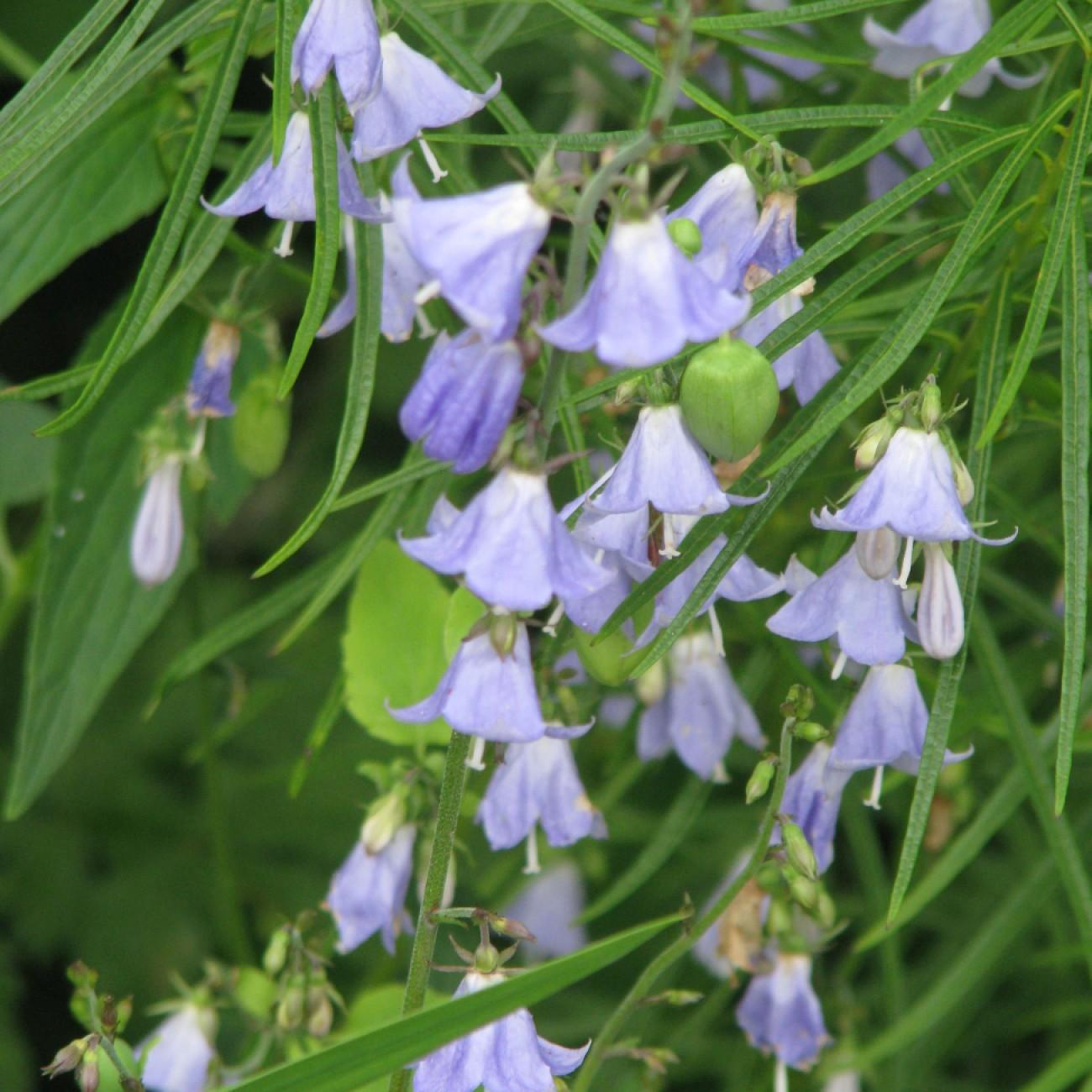
ladybells
Adenophora 'Amethyst'
Overview
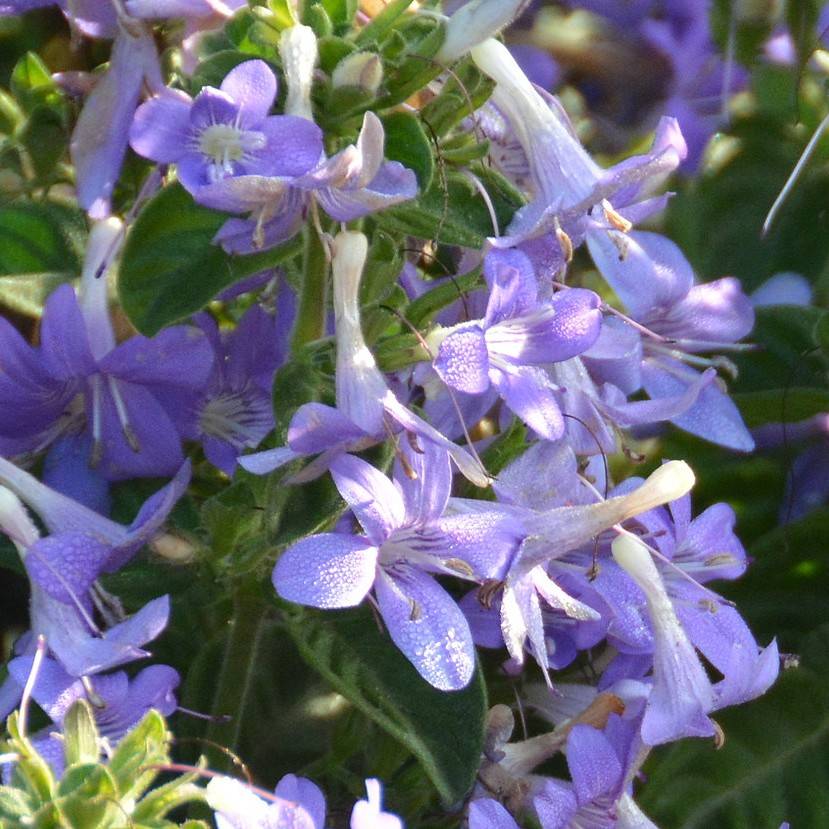
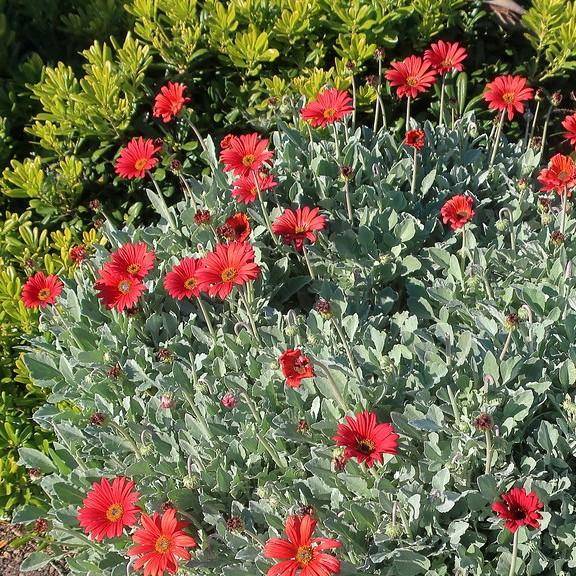
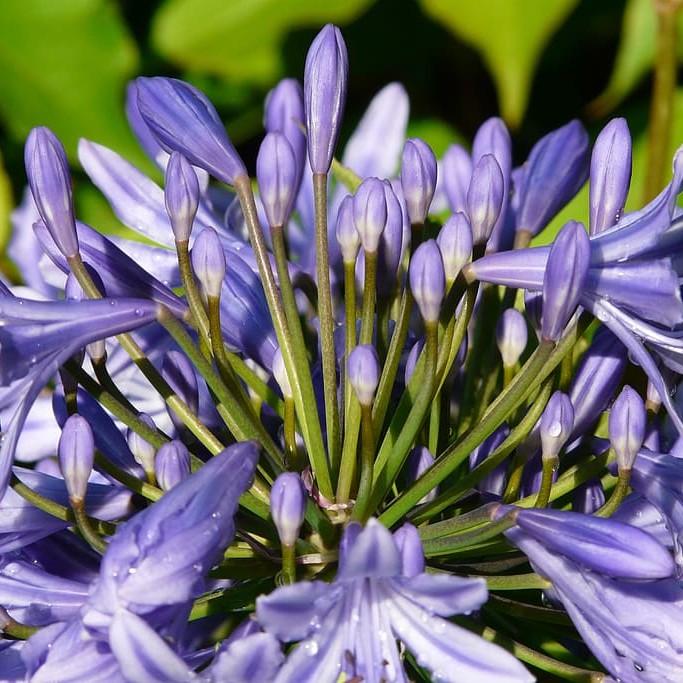
Ladybells (Adenophora 'Amethyst') is a stunning perennial plant with eye-catching purple blooms. This showy, low maintenance, and drought tolerant variety of ladybells is the perfect addition to any landscape. Its tall, spire-like stems and bell-shaped flowers provide an attractive display of color and texture, making it the focal point of any garden. Ladybells bloom in summer, producing blooms that are not only delicate in appearance but also fragrant, attracting plenty of pollinators throughout the season. It is also great for cut flowers, bringing elegance to any bouquet. With it's easy care, long blooming period and attractive look, Ladybells (Adenophora 'Amethyst') is an amazing plant for the garden.
Care Guide
Watering
Adenophora 'Amethyst' (Ladybells) should be watered deeply and infrequently in order to encourage the plant to develop its deep root system. Water deeply once every 7-10 days, allowing the soil to dry out between waterings. When watering, ensure that you water the entire root system, not just the topsoil. Adding a layer of mulch around the base of the plant can help conserve moisture and reduce evaporation from the soil.
Light
Ladybells (Adenophora ‘Amethyst’) prefer 6-8 hours of direct sunlight per day. During the warmest parts of the year, they can tolerate a few hours of partial sun, particularly in the morning and late afternoon.
Temperature
Hardiness zone 3-8.
Pruning
Ladybells should be pruned in early to mid-spring, just as they are beginning to flower. Prune by cutting back the complex stems and seed heads, and remove any dead or damaged flower heads. This species responds well to pruning and it is best to keep the plant slightly smaller than desired by pruning it back each year. Focus on pruning the dead and spindly growth, while leaving the stronger branches and stems to flourish. Prune back to approximately 4 to 6 inches, removing no more than 1-third of the plant. Generally, pruning lightly after flowering is sufficient for the majority of Ladybells.
Propagation
Division, Seed Propagation, Cutting
Related plants
Other plants you might like if you grow ladybells.