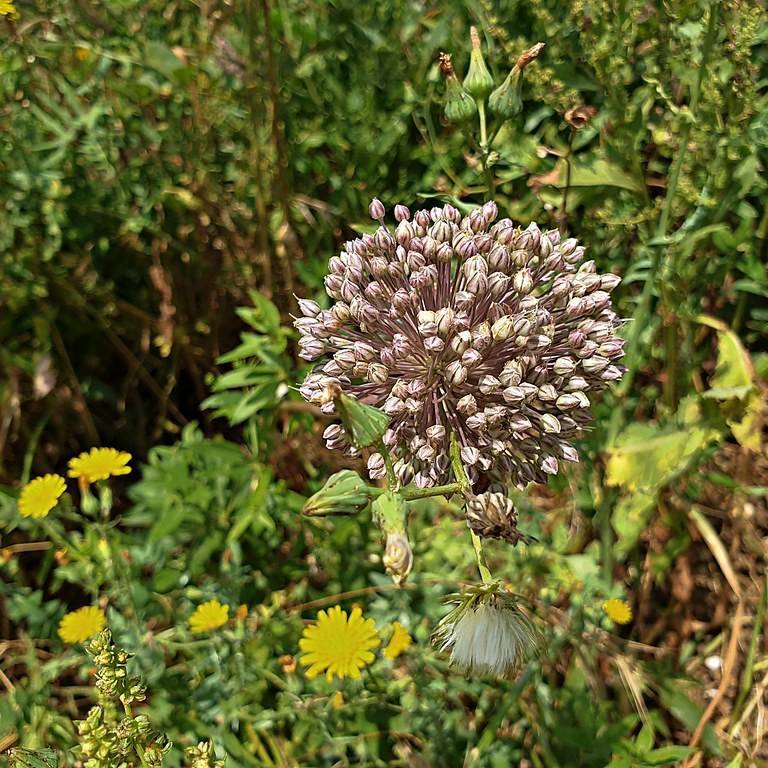
leek
Allium ampeloprasum
Overview
A leek is a member of the Allium ampeloprasum family, and is a vegetable prized for its strong and distinct flavor. It is a versatile plant that has a culinary use in many cuisines around the world, in both raw and cooked forms. Its strong flavor profile makes it popular for soups, salads, mashed potatoes, and other dishes. Its exceptional nutritional value sets it apart from other vegetables, as it is high in various vitamins and minerals such as Vitamin K, Vitamin C and iron. Additionally, leeks contain antioxidants which are beneficial in reducing inflammation and improving overall health. With its amazing flavor and nutritional profile, leeks make an excellent ingredient in a number of dishes; a truly incredible plant.
Care Guide
Watering
Leeks (Allium ampeloprasum) should be kept uniformly moist throughout the growing season for optimal health and vigor. Water deeply and regularly, about 1-2 inches per week, during the growing season if there is inadequate rainfall. Drip irrigation is ideal. Avoid wetting the foliage, as this can increase susceptibility to disease. Water less frequently during winter dormancy. Let the soil become slightly dry between watering and never water to the point of standing water.
Light
Leek (Allium ampeloprasum) prefers full sun or partial shade and needs around 6 to 8 hours of direct sunlight each day to thrive. Ideal full sun exposure should be a minimum of 6 hours during the growing season and 4 hours during the winter. Leeks will still benefit from indirect sunlight, so do not worry if direct sunlight is limited. When the temperatures start to drop in the fall, it's best to move any leeks that are growing in full sun to a more shaded area with less direct sunlight.
Temperature
Hardiness zone 5-10.
Pruning
Leek (Allium ampeloprasum) should be pruned when they begin to form flower stalks. Pruning should focus on removing the flowering stalks and seedpods, as well as any spent foliage. Cut back the flower stalk at its base with clean, sharp shears or scissors. Dead leaves should also be trimmed away. The amount of pruning is not as important as the timing, as leeks flower in the late summer months and can become more vulnerable to diseases if left unpruned until winter.
Propagation
Seed Propagation, Division, Offsets, Layering Propagation
Diseases & Pests
Common pests: Fungal leaf spot, Mildew, Root rot, Rust, Slugs, snails, Pest resistant, Deer resistant, Rabbit resistant .
Related plants
Other plants you might like if you grow leek.