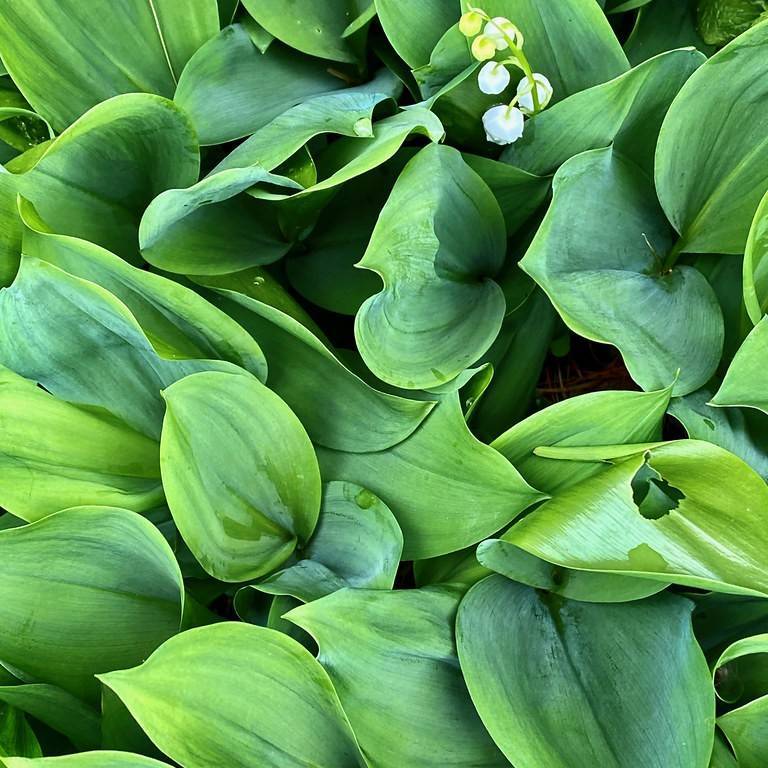
lily of the valley
Convallaria majalis
Overview
The Lily of the Valley, or Convallaria majalis, is an amazing plant species. It has one of the sweetest scents among all flowers, with small, bell shaped white blossoms that add a beautiful look to any garden. In addition to its springtime blooms, it is an incredibly resilient ground cover that can survive even under the harshest of conditions. Its long-lasting leaves and roots make it an ideal choice for landscaping. Not only is it a great flowering and evergreen plant, but it has a long history of medicinal use, from treating heart conditions to easing headaches. It is an amazing perennial that will keep blooming for years.
Care Guide
Watering
Lily of the Valley should be watered once a week, using about 1/2-1 gallon of water, depending on the size of the pot. It is important to keep the soil evenly moist, but not waterlogged. Water more frequently during hot, dry spells. Check that the soil is completely dry in between waterings to avoid over-watering the plant. If the soil is too dry, the leaves may yellow and droop. Avoid overhead watering as it may cause fungal diseases.
Light
Lily of the valley (Convallaria majalis) should be grown in partial shade to full shade, in order to retain its delicate white blooms. It prefers moist, well-drained soil, and prefers a neutral soil pH of 6.7. It should be grown in a location where it will get at least 2 to 3 hours of direct sunlight each day. During hot summer months, it should be given more shade, in order to protect it from the intense heat. As for winter, it should get some morning sun but not too much, as it is not cold-hardy.
Soil
Humus rich, Well-drained
Temperature
Hardiness zone 3-8.
Pruning
Lily of the valley is a low-maintenance plant that requires very little pruning. Generally, it is recommended that lily of the valley be pruned just once during the spring, after the blooming period. During this time, trim off any dead or diseased stems. It is important to disinfect your tools between plants to avoid the spread of disease. If the plant appears overgrown, you can also remove spent flowers and stems to help shape the plant. The stems can be cut back to just above the ground and the foliage will grow back nicely. Avoid pruning too much and leave at least 1 to 2 leaves on each stem.
Propagation
Division
Diseases & Pests
Common pests: Deer resistant, Rabbit resistant.
Related plants
Other plants you might like if you grow lily of the valley.