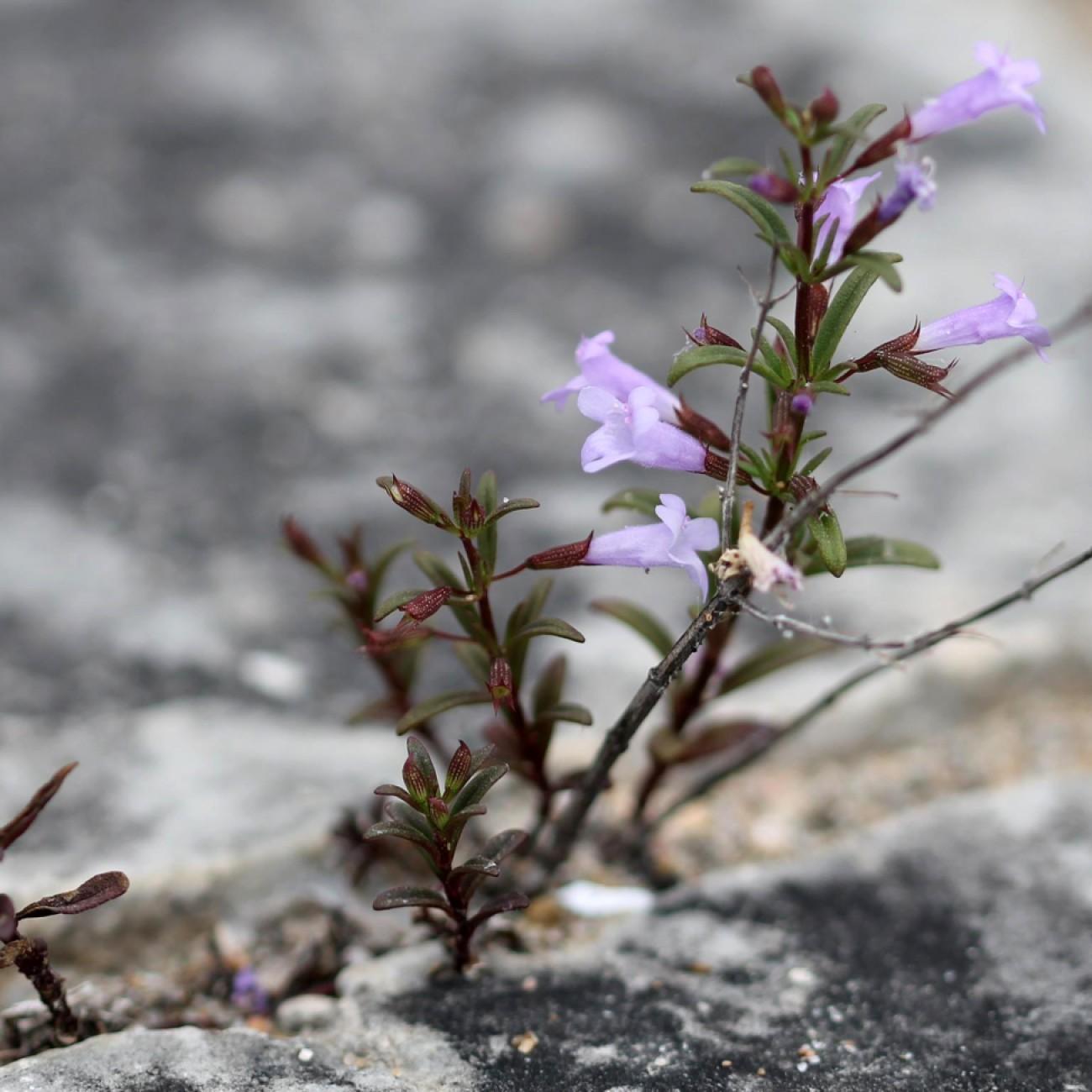
limestone calamint
Clinopodium arkansanum
Overview
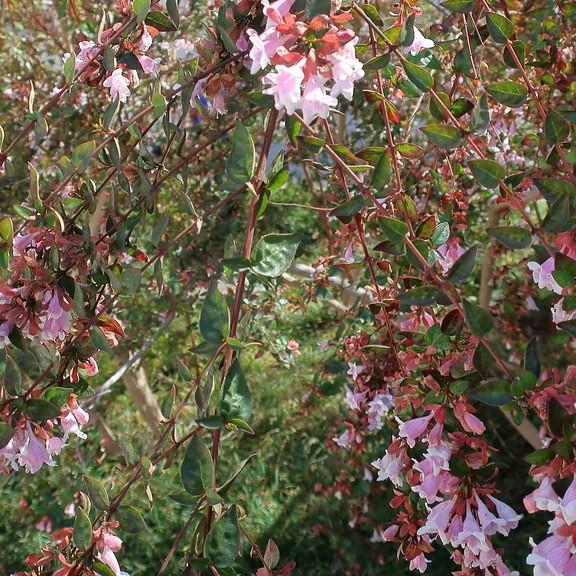
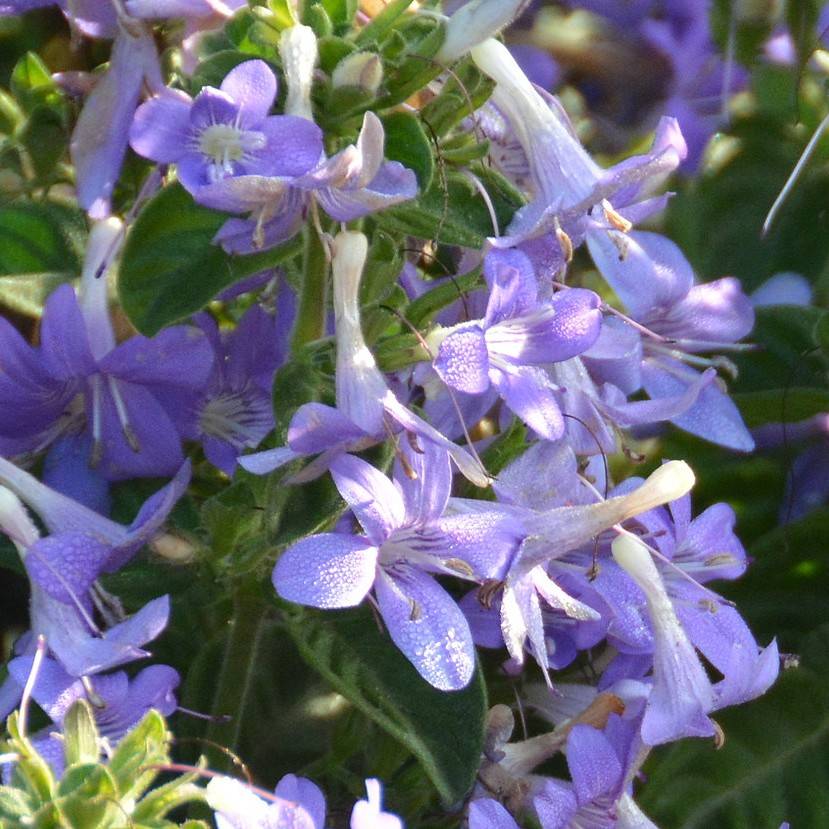
Limestone calamint (Clinopodium arkansanum) is a unique perennial flowering shrub that is native to Arkansas. It features pretty white flowers with purple calyx that bloom from mid-summer until early fall. It is a low maintenance plant that is drought tolerant, growing in full sun to partial shade. The blooms have a spicy, minty scent and attract pollinators like butterflies and bees. Its foliage can be used in dried floral arrangements or herbal teas. This hardy and adaptable plant can make a stunning addition to any garden, and is perfect for rock gardens or on the edges of borders.
Care Guide
Watering
Limestone calamint (Clinopodium arkansanum) should be watered about once a week during the warmer months of spring and summer, ensuring the soil remains moist but not wet. During the winter months, it is best to water every 2 weeks instead, allowing the soil to dry slightly between waterings. During extremely cold weather, water this plant only once a month. Be sure to check the moisture level of the soil before watering. When water is needed, it should be applied slowly and evenly over the root zone. Too much water can lead to root rot, so be careful not to overwater.
Light
Limestone calamint (Clinopodium arkansanum) grows best in full sunlight and requires between 6 and 8 hours of direct sun daily. This plant species typically does best during the late spring and summer months when the amount of sunlight it receives is more consistent and direct. It is important to make sure that limestone calamint is receiving enough sunlight each day; however, be aware that this plant can be sensitive to too much sun and the leaves may be burned with excessive direct sunlight. It is best to provide limestone calamint with either morning or late afternoon sun, or any combination of the 2.
Temperature
Hardiness zone 4-8.
Pruning
Limestone calamint should be pruned yearly in the late spring/early summer when the buds have set but before flowering begins. Dead wood should be pruned away at any time during the growing season. For general maintenance, prune the plant lightly by removing dead or faded flowers as well as any tips that are weak or broken. This should be done throughout the growing season to encourage new and lush growth. To maintain a fuller, more compact shape, prune the plants back after flowering has finished. Finally, remove any spent flowers or any dead wood promptly to prevent any diseases from developing.
Propagation
Seed Propagation, Cutting, Division, Layering Propagation
Uses & Symbolism
Attracts: Butterflies.
Related plants
Other plants you might like if you grow limestone calamint.