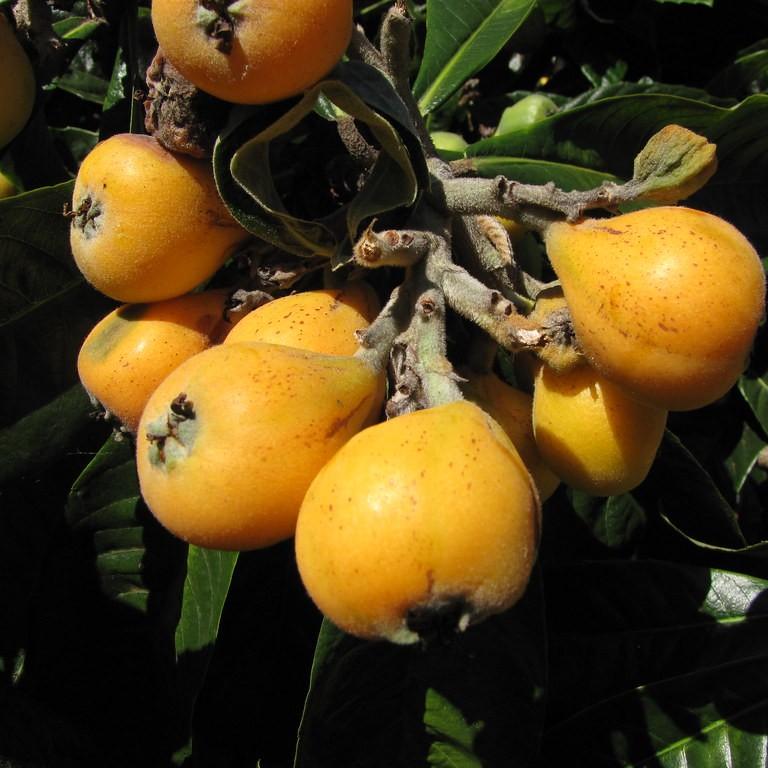
Loquat
Eriobotrya japonica
Overview
Loquats, also known as Eriobotrya japonica, are an incredible species of trees with many benefits. Their edible, ornamental fruit is golden yellow, tart, and not as sweet as other fruits. Loquats are an excellent source of dietary fiber, Vitamin A and C, potassium, and omega-3 fatty acids. They have antioxidant properties that may help improve cardiovascular and joint health. Their beautiful leaves and crown of white flowers make them an appealing addition to any garden. Best of all, loquats are easy to grow and require minimal care, making them a great choice for gardeners of all skill levels.
Care Guide
Watering
Loquat (Eriobotrya japonica) should be watered every 7-14 days. The amount of water should be adjusted according to the weather conditions and the type of soil. In general, the amount of water needed is approximately 2-3 inches per week. It is best to water deeply so that the root system of the loquat tree has access to sufficient water. However, be sure to avoid over-watering the plant, as this can cause root rot.
Light
Loquat (Eriobotrya japonica) prefers bright, indirect sunlight for best growth. This plant species does well with about 4-6 hours of full sun or bright, indirect sunlight per day. When grown indoors, loquat should be kept in a location that receives plenty of sunlight, such as a southern- or western-facing window.
Temperature
Hardiness zone 7-7.
Pruning
Loquat (Eriobotrya japonica) should be pruned annually in the late winter or early spring. Aim to remove no more than 25-30% of the prior season's growth. If pruning is necessary during the summer or fall months, aim to prune no more than 20% of the prior season's growth. When pruning loquats, aim to thin crowded branches and remove old or dead wood. If possible, prune only the tips or sides of branches to promote a balanced and natural structure.
Propagation
Air Layering Propagation, Grafting Propagation, Cutting, Seed Propagation
Related plants
Other plants you might like if you grow Loquat.