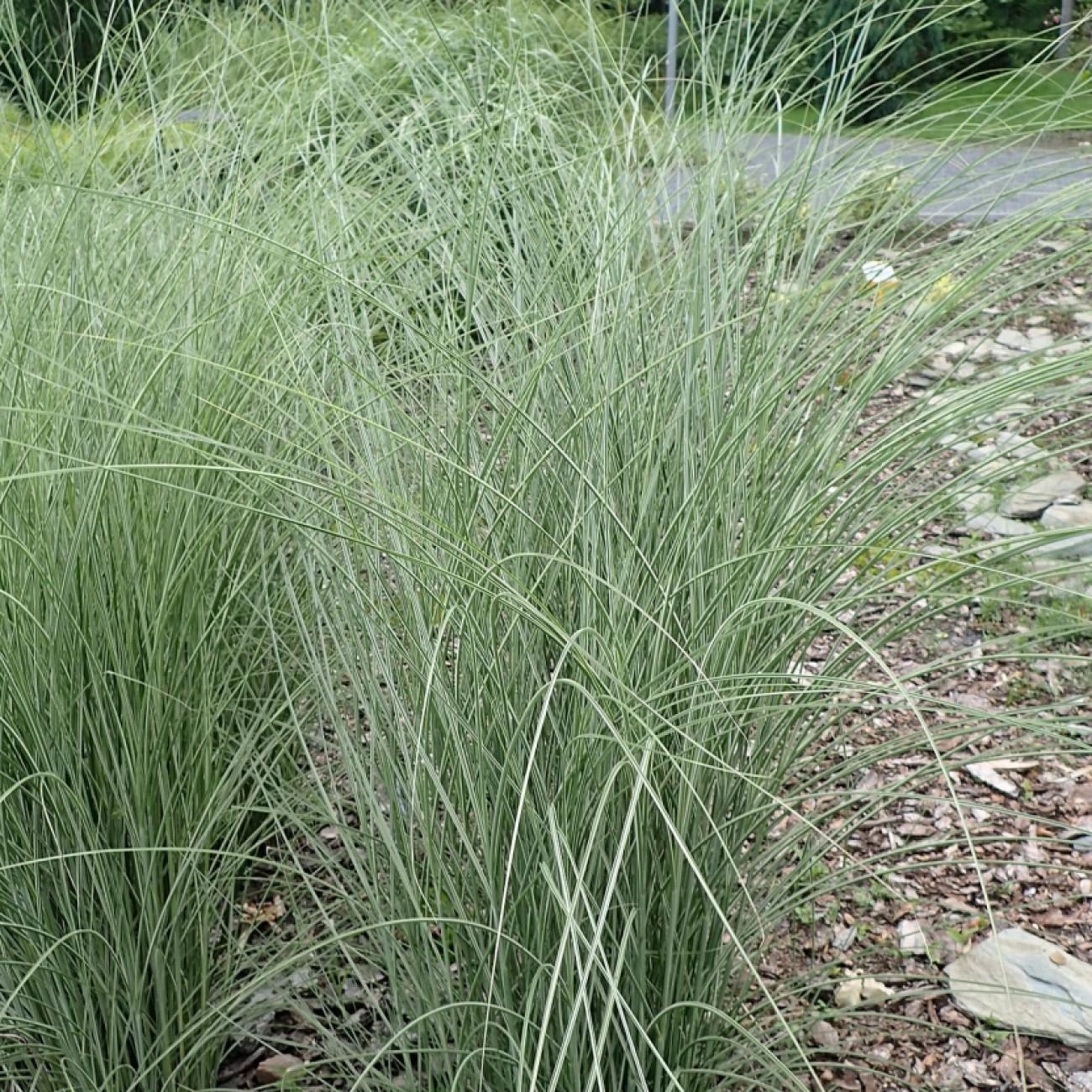
lovegrass
Eragrostis elliottii 'Wind Dancer'
Overview
Lovegrass (Eragrostis elliottii 'Wind Dancer') is an amazing choice for any garden or landscape. It is drought-tolerant and actually thrives in dry conditions. It is also very low-maintenance, requiring no fertilizers or pesticides to keep it looking beautiful. The unique grass has multiple uses, from helping to control erosion to providing grazing for animals. Its silvery-green foliage adds a unique touch of beauty to any area, and its fluffy flowers attract wildlife to your garden. Lovegrass is an incredible choice for any gardeners or landscapers who want a durable, low-maintenance grass.
Care Guide
Watering
Lovegrass should be watered thoroughly but infrequently. During the warmer months, this means about once a week. During the colder months, once every 2 weeks should be sufficient. The soil should be kept moist but not soggy. If the soil feels dry to the touch, you should water the plant. It is best to water the soil around the plant, ensuring you saturate the root zone. Avoid overwatering and use a pot with drainage holes and a saucer to collect any excess water.
Light
Lovegrass (Eragrostis elliottii 'Wind Dancer') prefers to grow in well-drained, sandy-loam soils in full sun but can tolerate mid-to-light shade. It will do best with 8-10 hours of direct or indirect sunlight daily. To promote full bloom and healthy flowering, provide the lovegrass with its ideal amount of sunlight and a consistent supply of water.
Temperature
Hardiness zone 6-9.
Pruning
Lovegrass (Eragrostis elliottii 'Wind Dancer') should be pruned in late winter or early spring. Prune away any dead or damaged leaves, flower stalks, or seed heads, and cut the entire plant back to within a few inches of the ground. This will encourage full, new growth in the upcoming season. Avoid pruning after mid-summer, as this may stop new growth before the plant has had time to mature and form strong root systems.
Propagation
Seed Propagation, Division, Cutting, Layering Propagation
Related plants
Other plants you might like if you grow lovegrass.