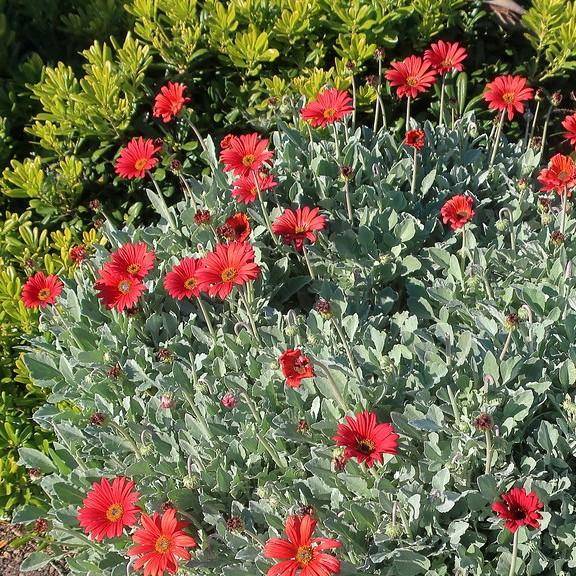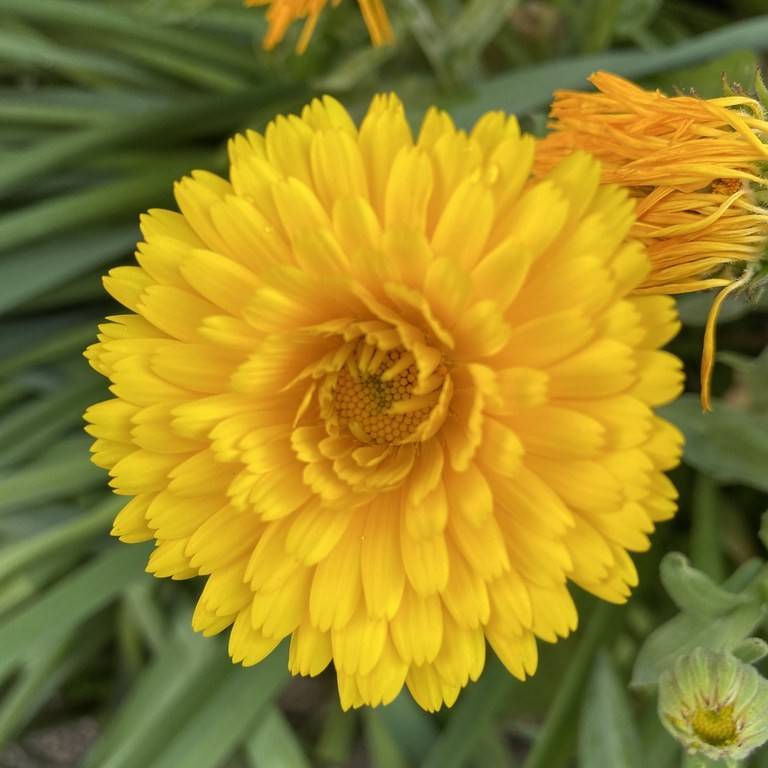
marigold
Calendula officinalis
Overview
Marigold (Calendula officinalis) is amazing! It's an easy to grow, bright, and cheerful flower that can bring beauty and cheer to your garden. Marigolds are a great addition to any garden due to their cheerful, bold blooms. Plus, they attract butterflies and beneficial insects like bees and ladybugs. Marigolds are also very hardy - they'll tolerate drought and poor soil conditions, which makes them a great choice for less-than-perfect gardening conditions. Not only are they beautiful, but they also have medicinal properties, such as being antibacterial, antiviral, and an anti-inflammatory. Make sure to add some marigolds to your garden; you won't regret it!
Care Guide
Watering
Water Marigolds (Calendula officinalis) moderately. On particularly hot days, water more frequently - up to 3 times a week. Watering should be done early in the morning so that the plant has time to dry off before the evening. During the hotter months, deeper waterings will help promote full root development and flowering. Once soil is worked into the plant’s root system, it is important to be consistent with waterings.
Light
Marigolds (Calendula officinalis) thrive when they receive 8-10 hours of direct sunlight per day. They should be planted in an area that receives full sun, where they’ll enjoy bright, direct light from morning to mid-afternoon. Avoid providing too much shade, as that will discourage blooms and cause the plants to become spindly. Aim for a consistent and reliable amount of sunshine to ensure that marigolds grow and bloom properly throughout the growing season.
Temperature
Hardiness zone 2-11.
Pruning
Marigold (Calendula officinalis) benefits from regular pruning for optimal health. Pruning can prevent overgrowth and encourage new flower growth. In general, the best time to prune Marigold is in the late summer or early fall. This is when the plant has started to slow down its growth and will be preparing for winter dormancy. Pruning should be done in moderation as too much can result in decreased flowering. Before pruning, wait for flowers to go to seed and the foliage to turn yellow. When pruning, use sharp gardening scissors or shears and remove up to 1-third of the plant’s foliage. This includes small stems, leaves, and flower heads. After pruning, feed the plant with an all-purpose fertilizer to encourage new flower growth.
Propagation
Seed Propagation, Cutting, Division, Layering Propagation
Uses & Symbolism
Attracts: Butterflies.
Related plants
Other plants you might like if you grow marigold.