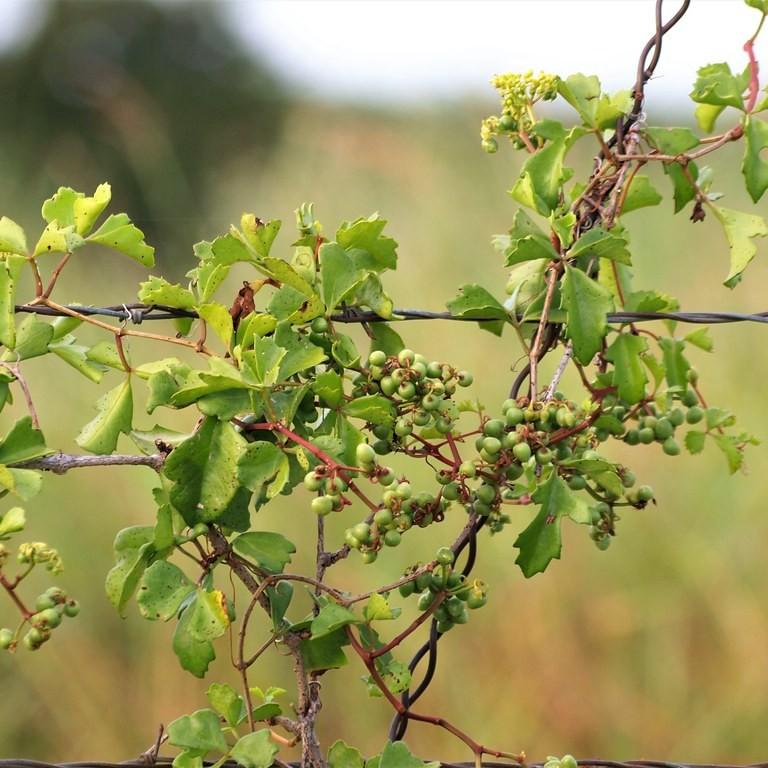
marine ivy
Cissus trifoliata
Overview
Marine ivy (Cissus trifoliata) is an amazing plant species that is commonly found in coastal and marine environments. Its attractive, heavily lobed leaves and trailing growth make it an ideal addition to gardens and outdoor spaces. The leaves are leathery and glossy green, forming a dense shelter for many different types of animals. Furthermore, it is incredibly resistant to salt water, making it perfect for coastal areas, and it is very low-maintenance and easy to keep alive. Marine ivy is an attractive and hardy species, able to bring a touch of nature to any outdoor space.
Care Guide
Watering
Marine ivy should be watered once a week, using up to 1/2 cup of water per plant. The soil should be kept evenly moist and never dry. During the warmer summer months, you may need to increase the frequency of watering to twice a week. Before watering, check the soil to make sure it is not still moist from the last watering. If it is, skip that week’s watering. Additionally, reduce the amount of water given when temperatures drop. In winter months, watering may only need to occur once every 2 weeks.
Light
Marine ivy (Cissus trifoliata) needs a minimum of 6-8 hours of direct sunlight each day to thrive. It is recommended that this species is kept outdoors in a well-ventilated area where it is exposed to lots of bright, natural light. When grown inside, it should be placed relatively close to a window that receives plenty of natural sunlight. Avoid placing this plant in overly shady areas, as it may not receive the sunlight it needs to grow in a healthy way.
Temperature
Hardiness zone 6-10.
Pruning
Marine ivy (Cissus trifoliata) should be pruned twice per year, in the late spring or early summer and again in the early fall. Each prune session should take off no more than 1-third of the plant’s total foliage mass. Generally, it is better to prune just the leading shoots, rather than the lateral shoots, in order to keep the plant’s natural shape. Additionally, make sure to remove any dead, diseased, or discolored leaves and stems on sight. Finally, make sure your pruning tools are sharp and clean so as to not further stress the plant.
Propagation
Stem Propagation, Layering Propagation, Air Layering Propagation, Division, Leaf Cutting
Related plants
Other plants you might like if you grow marine ivy.