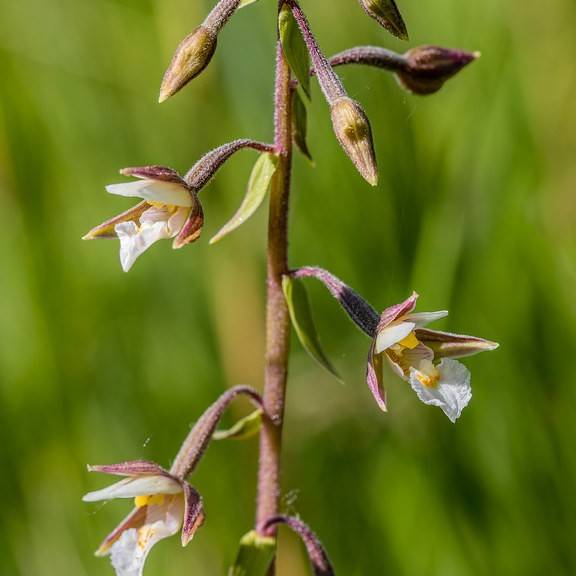
marsh helleborine
Epipactis palustris
Overview
Marsh helleborine (Epipactis palustris) is an amazing plant species that is incredibly resistant to drought and can thrive even in the harshest conditions. This plant can survive the coldest temperatures and can grow on rock and other rocky surfaces, as well as in marshes and bogs. Its beautiful creamy white and pink colored blomsky-like flowers captivate its admirers and have been known to bloom as early as April. Its hardiness and adaptability to harsh climates make it a valuable asset to any garden. Marsh helleborine is sure to impress and will add a unique beauty to any setting.
Care Guide
Watering
Marsh helleborine should be watered moderately and infrequently. During the growing season, from late Spring to early Fall, it should be watered approximately every 10-14 days. Water should be applied evenly, soaked into the soil and then allowed to drain away. The soil should be kept moist but not waterlogged. In periods of prolonged dry weather, more frequent watering may be necessary. During the Winter months, the plant can go without water for longer periods of time, as long as the soil is not completely dry.
Light
Marsh helleborine (Epipactis palustris) prefers dappled light or light shade, but tolerates short periods of direct sunlight. In general, it should receive 6 to 8 hours of indirect light per day, including morning and late afternoon sunlight when possible. It's best to avoid too much direct sunlight during the hottest hours of the day. This will help ensure healthy growth and minimize the risk of leaf wilt.
Temperature
Hardiness zone 6-9.
Pruning
Marsh helleborine (Epipactis palustris) should be pruned once a year in late winter or early spring. Pruning should involve cutting down the flower spikes and removing dead, diseased, or damaged foliage. This pruning should be done before new growth begins to remove any potential sources of disease or insect infestation. Doing this will promote healthy growth for the plant and allow for better air flow. Additionally, this will help to keep the plants compact and low-growing.
Propagation
Division, Seed Propagation, Tissue Culture, Grafting Propagation
Related plants
Other plants you might like if you grow marsh helleborine.







