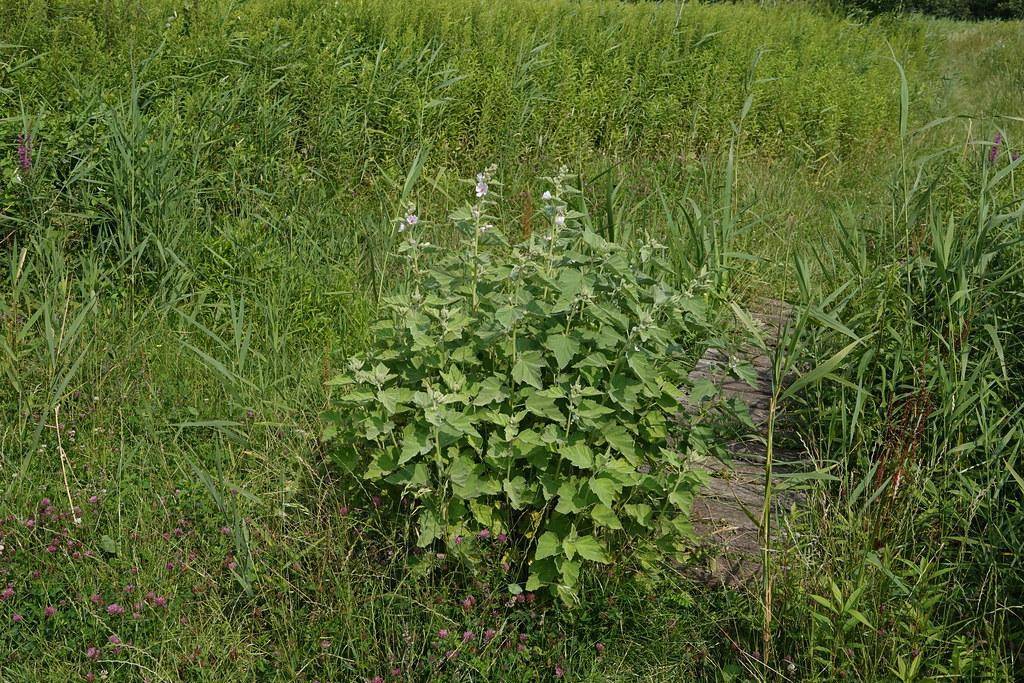
marsh mallow
Althaea officinalis
Overview
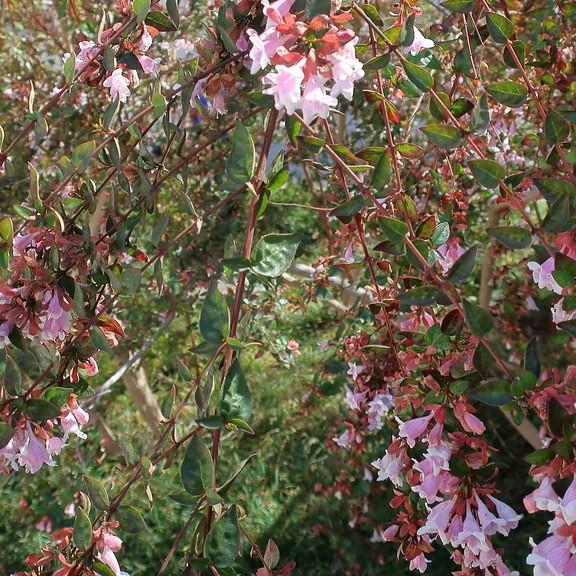
Marsh mallow (Althaea officinalis) is an amazing species of perennial flowering herb which grows in wetlands, cultivated areas, and damp grounds. It produces cheerful, pink, and white flowers that are a welcome sight in the summer. Its stems and leaves contain a white, sweet-tasting, mucilaginous sap that has been used for centuries to make a variety of medicinal products. The root of this plant is high in vitamins and minerals, giving it antioxidant, anti-inflammatory, and immune-enhancing properties. Due to its gentle yet potent healing powers, marsh mallow has been used to soothe skin conditions, reduce swelling and pain, and even heal digestive disorders. This powerful herb is truly amazing.
Care Guide
Watering
Marsh mallow needs moderate amounts of water and should be watered twice per week. It is important to use lukewarm water and not cold water when watering marsh mallow. During the warm months of summer the plant should be watered more frequently to ensure it receives adequate water to grow well, ideally 3 times per week. During the cooler months of winter, reduce watering to just once per week. Soil should be allowed to partially dry out before watering again. Be careful not to overwater, which can cause root rot.
Light
Marsh mallow plants typically require at least 8 hours of direct sunlight per day in order to thrive. This direct sunlight should occur between 8 a.m. and 4 p.m. when the UV rays are at their strongest. For best results, try to ensure that at least 6 hours of direct sunlight are available during this time. If direct sunlight is not available, then make sure that some bright, indirect sunlight is available during the day.
Soil
Sand, Loam
Temperature
Hardiness zone 3-9.
Pruning
Pruning for marsh mallow is best done in early to late spring. First, remove any dead or damaged branches or stems. Then, thin out any overcrowded branches by cutting them at the node. You can also lightly trim the tips of longer branches to encourage bushier, fuller growth. It’s important to note that marsh mallow grows best in moist soils, so avoid over pruning and leave the plant with plenty of foliage to produce new growth.
Propagation
Division, Cutting, Seed Propagation, Layering Propagation
Related plants
Other plants you might like if you grow marsh mallow.