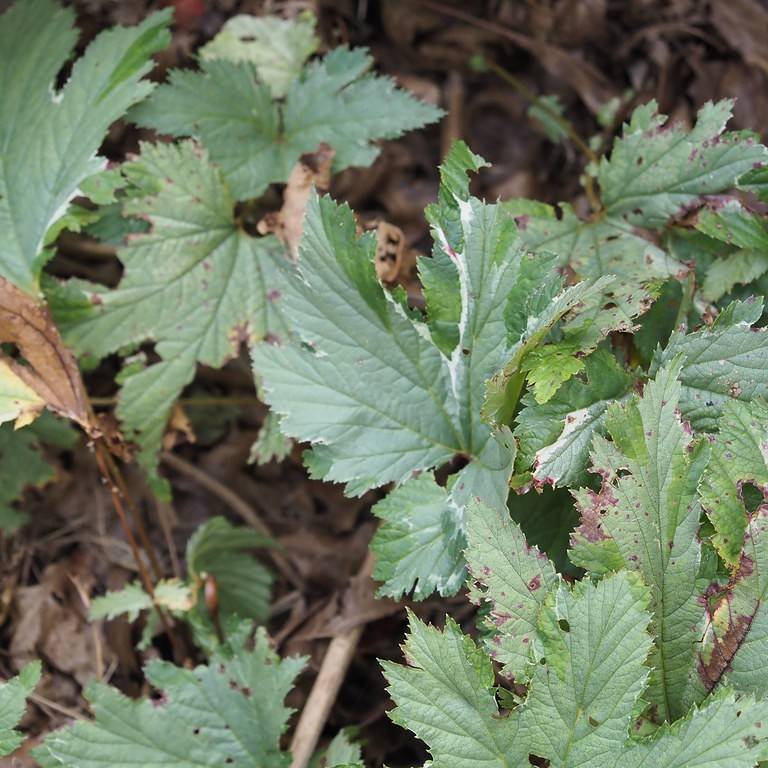
meadowsweet
Filipendula denudata
Overview
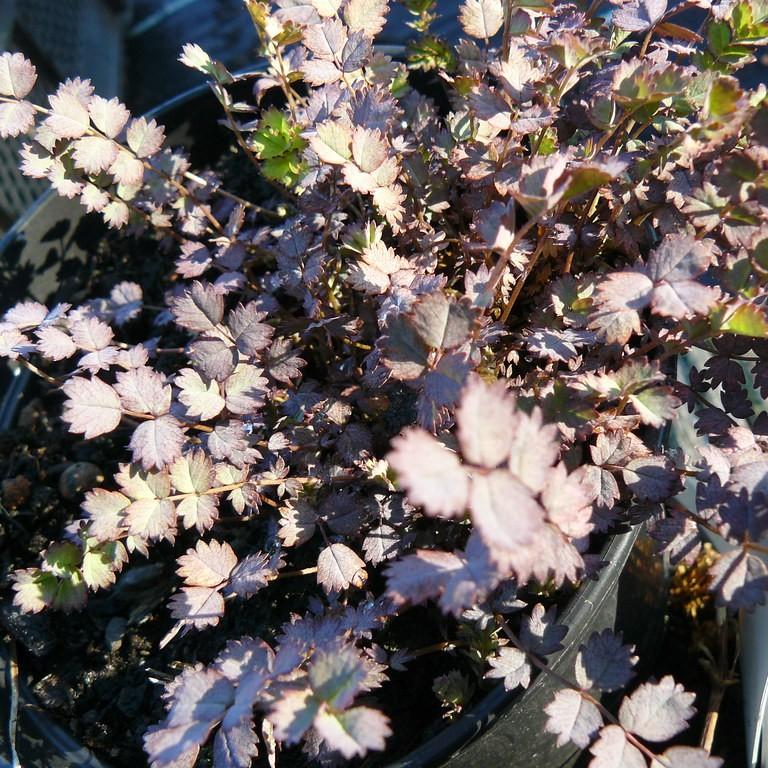
Meadowsweet (Filipendula denudata) is an amazing plant species native to North America. It features fern-like foliage and tall spikes of fragrant white or creamy-pink flowers which bloom from late spring to early fall. The flowers are rich in nectar, which attract pollinators like bees and butterflies. Not only does the meadowsweet provide an important pollinator habitat, but its flowers also emit a strong, pleasant aroma often used to make tea and medicinal remedies. It is an adaptable plant that prefers moist to wet soils and partial to light shade. Meadowsweet is great for naturalizing, as it forms attractive colonies when planted in drifts.
Care Guide
Watering
Meadowsweet (Filipendula denudata) should be watered when the top inch or so of soil is dry. Watering deeply and slowly rather than frequently and lightly is best for this species. About 1-2 inches of water per week is recommended. During hot or dry periods, additional water may be needed to keep the soil lightly moist.
Light
Meadowsweet (Filipendula denudata) prefers full sunlight or at least 4-6 hours of direct sunlight per day. During the spring and summer months, the plant appreciates the warmth of direct sunlight and will respond with lush foliage and plenty of blooms. However, late afternoon and evening sun can cause scorched leaves and petals, so avoiding that is best. When the cooler fall days arrive, meadowsweet appreciates more morning sunlight and less of the intense afternoon sun. This will help it keep its vibrant foliage color until winter arrives.
Temperature
Hardiness zone 4-8.
Pruning
Meadowsweet (Filipendula denudata) is a deciduous shrub that grows up to 3m tall, with white flowers that appear from the middle of summer. Pruning should be done annually after flowering, in late autumn or early spring. Pruning should mainly be carried out to deadhead spent flowers, thin out overcrowded branches and encourage bushier growth. Aim to remove any dead, damaged, or diseased branches. Prune out any crossing branches and where 2 branches of equal size cross, remove the weaker branch. If you want to control the size or shape of the shrub then you can cut back the stems by about 1/3rd of their length. Pruning can also help shape the shrub and create an attractive form, so be sure to occasionally trim out branches that are out of proportion or detract from the overall aesthetic of the shrub.
Propagation
Division, Cutting, Seed Propagation, Layering Propagation
Related plants
Other plants you might like if you grow meadowsweet.