mezereon
Daphne mezereum
Overview
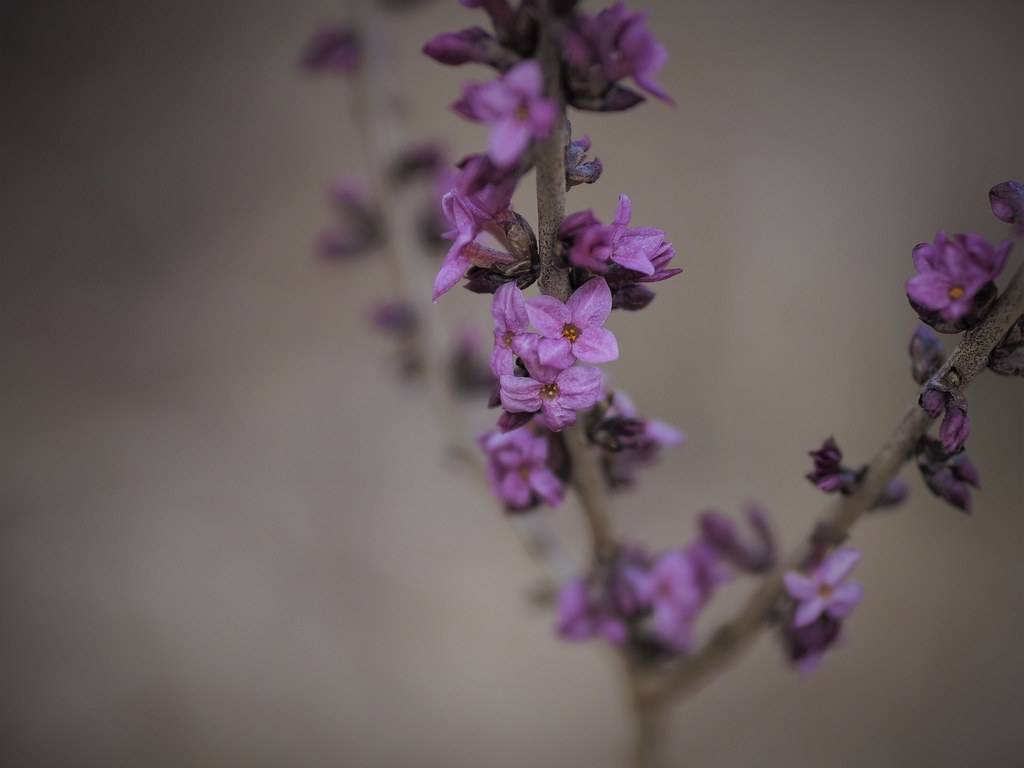
Mezereon is a beautiful shrub species native to Europe and parts of Asia, with an intriguing fragrance and interesting color display. It produces fragrant pink-purple flowers in early spring that give way to vivid yellow-orange berries in autumn, making it a wonderful addition to any garden. The plant's branches and bark bear a unique shade of red as well, giving an extra splash of color during spring and summer. With its pleasant aroma, stunning blooms, and attractive bark, mezereon truly stands out among other garden plants. It’s an amazing choice to bring a unique display of life and beauty to any garden.
Care Guide
Watering
Mezereon is a shrub species that prefers moist, well-drained soils. They should be watered regularly to keep the soil consistently moist, but not saturated. During the growing season, water plants deeply once a week or every other week, depending on the soil and weather conditions. In the summer months, check the soil regularly to ensure it is not drying out completely between watering. Water new transplants more frequently until they are established. During winter months, this shrub will require less water, once every 3-4 weeks is sufficient. Be sure to avoid puddling and standing water around the root zone.
Light
Mezereon is a bush that grows best when exposed to full sunlight for at least 4 to 6 hours a day. Depending on where you live, the amount of sun exposure for this plant may be slightly different. During summer, it should be exposed to the most amount of Suns rays making sure it is located in an area with the highest amount of direct sunlight as possible. During winter, the amount of sunlight exposure needs to be decreased to about 3 to 4 hours a day, as the cold temperatures can give the plant some damage. It is best to locate Mezereon away from any gust of wind to help protect it from any damage.
Temperature
Hardiness zone 4-7.
Pruning
Mezereon (Daphne mezereum) can be pruned lightly in late winter or early spring after any danger of frost has passed, or late summer, after flowering has finished. When pruning, remove any dead or damaged stems and any diseased or badly positioned branches. Thin out any congested growth, and remove any lower growth to encourage new shoots and make the shrub more open. If the plant has become too tall or too wide for its space, it can be cut back hard in winter or early spring, but try to retain some of the old wood, as it will often produce the best flowers.
Propagation
Layering Propagation, Cutting, Division, Seed Propagation
Uses & Symbolism
Attracts: Birds.
Related plants
Other plants you might like if you grow mezereon.