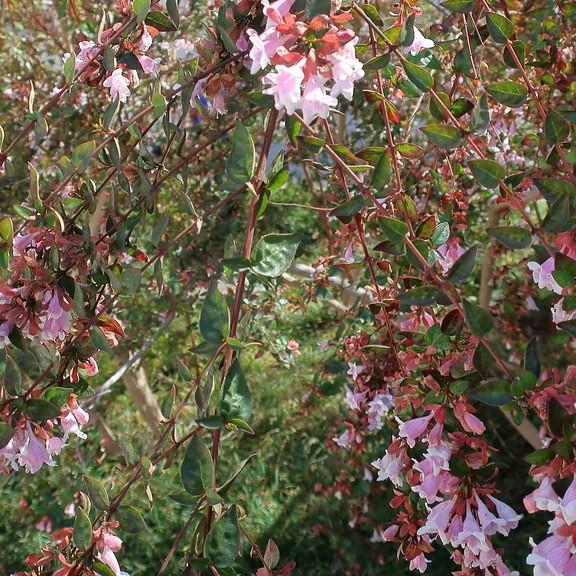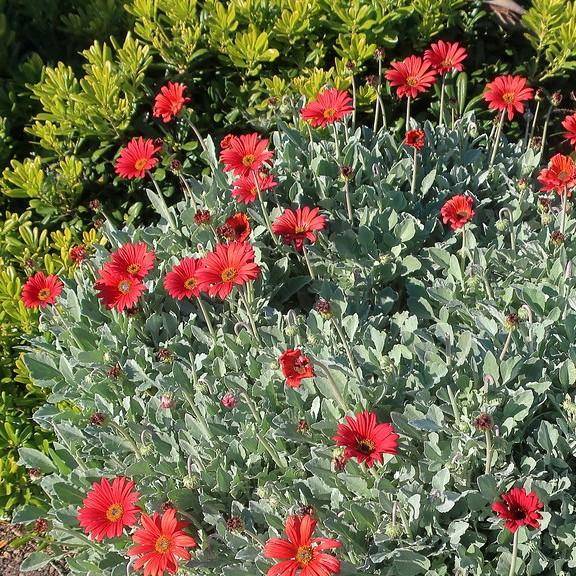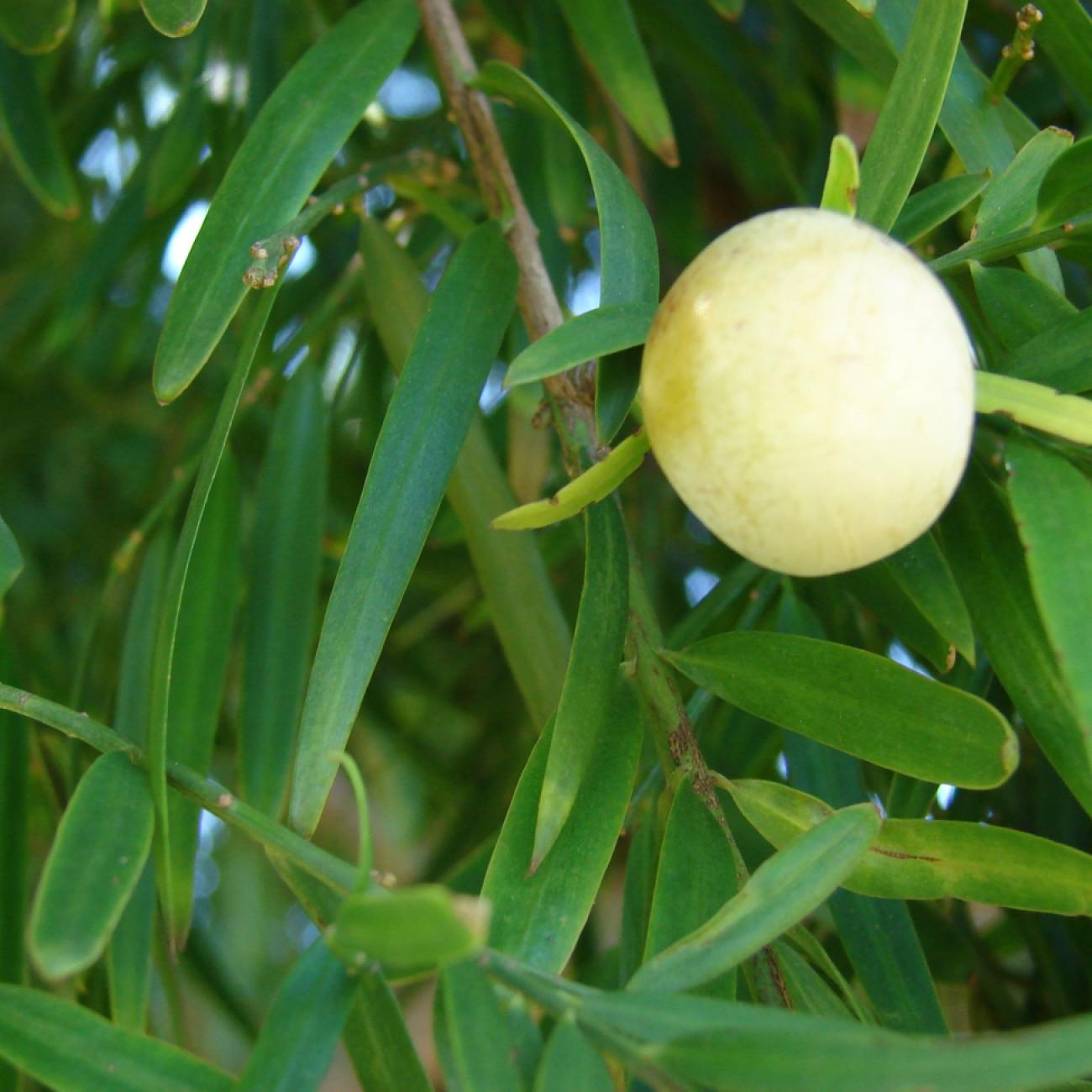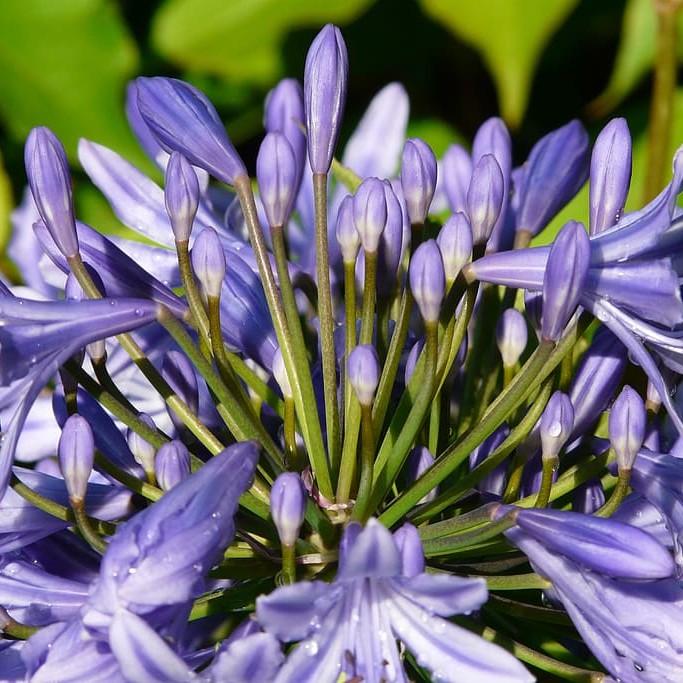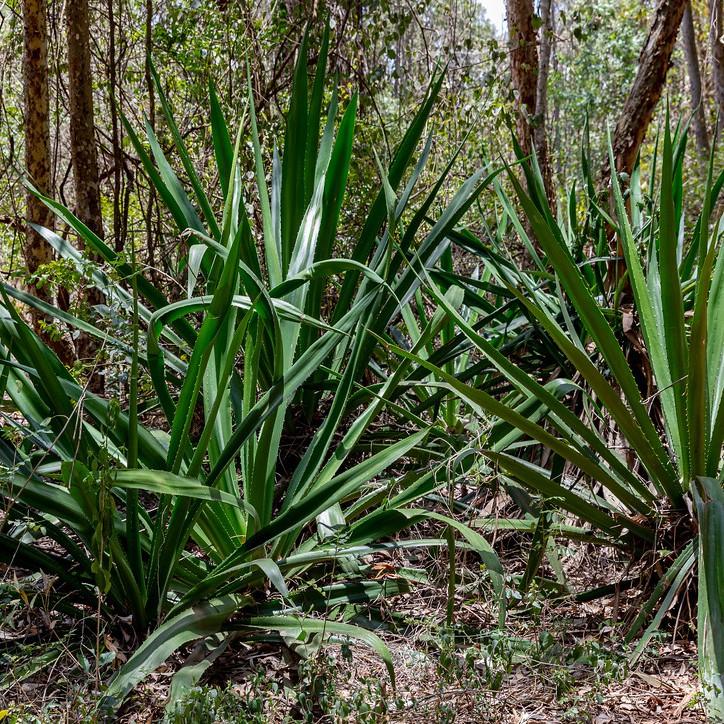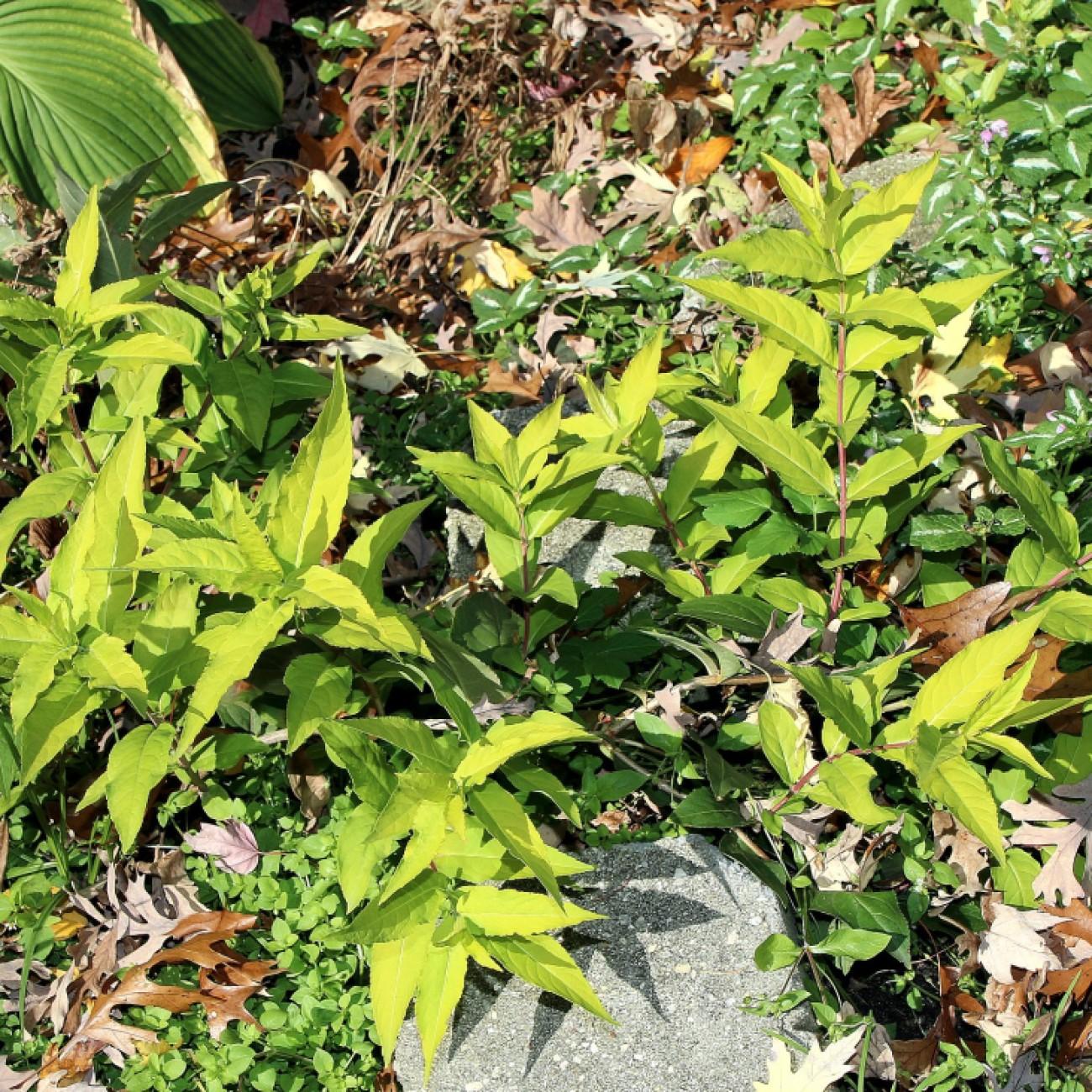
mountain bush honeysuckle
Diervilla rivularis
Overview
The mountain bush honeysuckle (Diervilla rivularis) is an amazing shrub that is native to North America. Its hardy nature and stunning bi-color blooms make it hip to modern gardens. With its yellow flowers contrasted against its deep-green foliage, this eye-catching shrub adds interest to any space. In addition to its exuberant beauty, it is also known for its ability to thrive in tough mountainous terrains with its long-reaching roots and sun-tolerant qualities. Its flowers attract beneficial pollinators, making it an extremely attractive addition for the wildlife garden lover. Mountain bush honeysuckle is a great choice if you’re looking for a beautiful and hardy shrub to fill your space!
Care Guide
Watering
Mountain bush honeysuckle (Diervilla rivularis) should be watered regularly and during its active growing periods in spring and summer. Watering should be done when the soil has dried on the surface - every 3–4 days if weather is hot, dry, and/or windy, or every 5–7 days if weather is cooler or more humid. In late fall and winter, water more sparingly, allowing the soil to dry out between waterings. Water thoroughly at each session, soaking the soil around the root zone until excess starts to flow from the drainage holes in the bottom of the pot.
Light
Mountain bush honeysuckle (Diervilla rivularis) produces small yellow flowers in the late spring and summer months. It will require full sunlight to grow and flower properly. In general, this species tolerates full sun or light shade, but it does best in areas with full sun during much of the day. For optimal results, 6 hours of direct sunlight a day is recommended. In more northern climates, full sun exposure is preferable, while in southern climates, some afternoon shade is beneficial.
Temperature
Hardiness zone 5-7.
Pruning
Mountain bush honeysuckle (Diervilla rivularis) should be pruned right after blooming, typically in early to mid summer. This plant prefers to be pruned in a light to moderate manner and doesn't require heavy pruning. You should remove any dead or damaged woody stems throughout the growing season. To maintain the natural shape of the plant, you should routinely prune back older stems to encourage new growth, as this will keep the plant looking full and healthy. Additionally, it's important to prune back any stems that have crossed over or are growing in an undesired direction.
Propagation
Cutting, Layering Propagation, Division, Seed Propagation
Related plants
Other plants you might like if you grow mountain bush honeysuckle.