mountain sagewood
Buddleja loricata
Overview
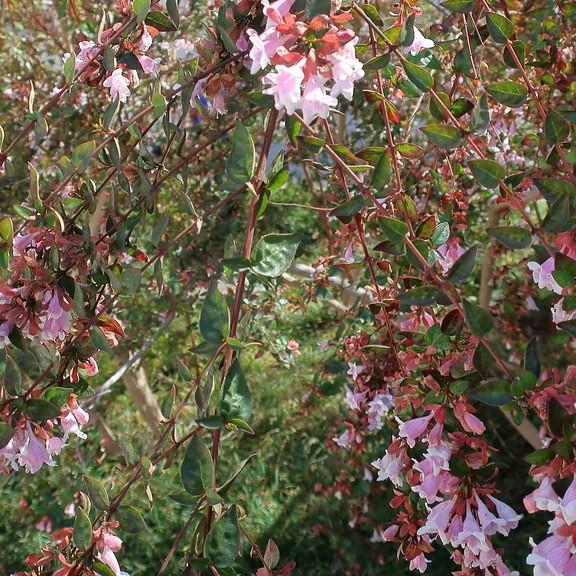
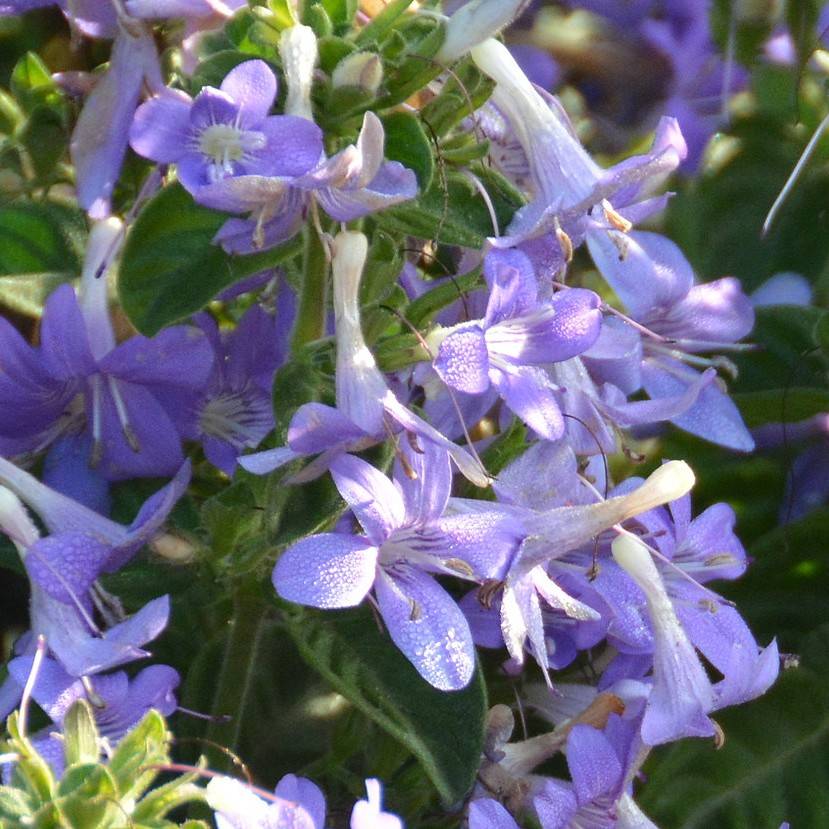
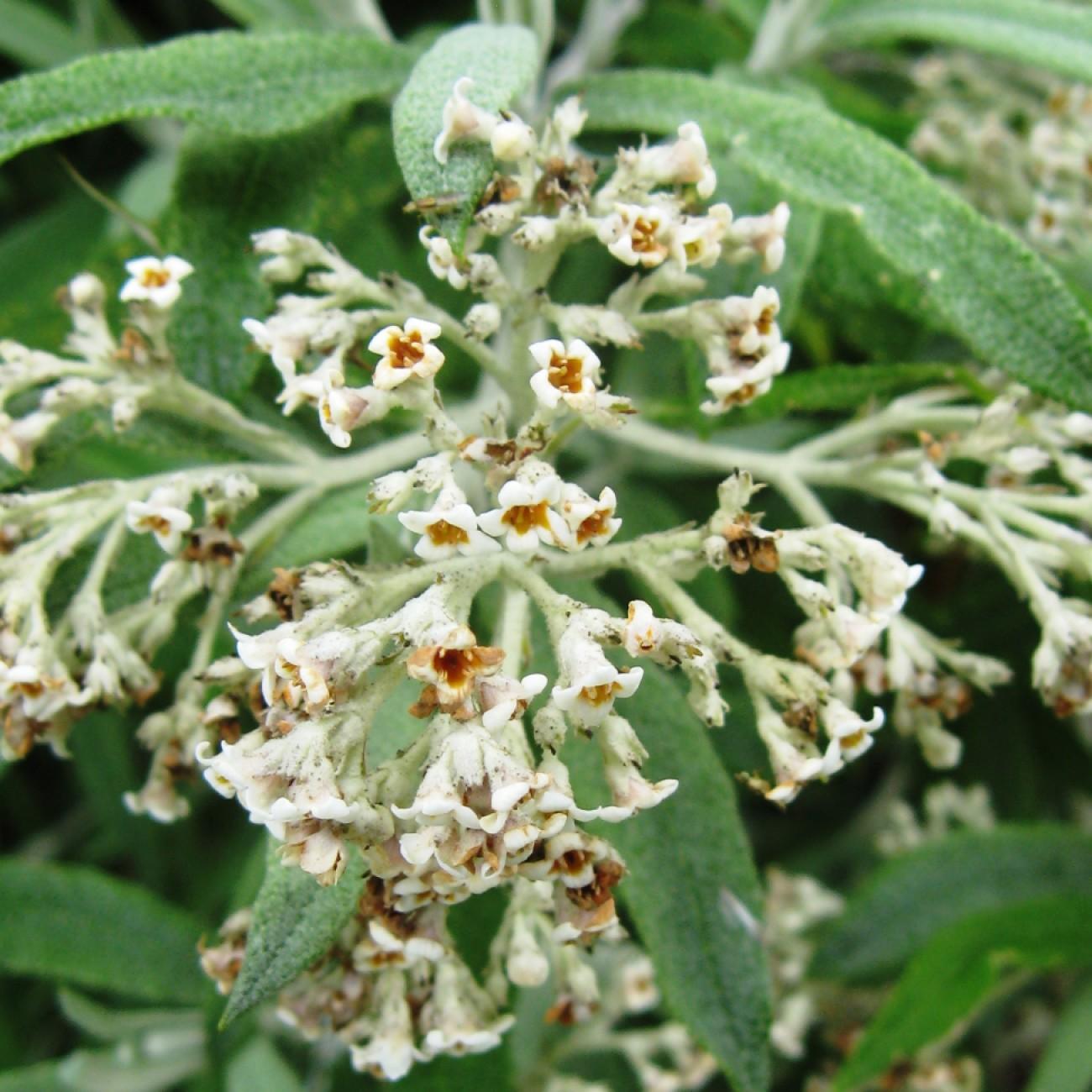
Mountain Sagewood (Buddleja loricata) is a native shrub found throughout the forests of the central United States and beyond. The plant's lance-shaped foliage is a tempting bluish-green, which creates a wonderful contrast to both the landscape or garden around it. Best of all, this shrub loves hot and dry climates, making it extremely low maintenance. The stem and young foliage produce a delightful sandalwood aroma, which makes it a great choice for rubbing and scenting clothes and linens. As an added bonus, feeding and breeding birds can be attracted to its bright clusters of white and pink flowers in the spring. Mountain Sagewood really is an amazing plant!
Care Guide
Watering
Mountain Sage wood requires well-draining soil and plenty of bright sunlight. Water it regularly, about once or twice per week depending on the season, to keep the soil evenly moist. During the summer months, the plant should be watered more frequently as the soil will dry out faster. In the winter months, the frequency of watering should be reduced so the soil doesn't saturate and cause root rot or fungal diseases. Make sure to check the soil moisture levels often and water the plant when the soil is just slightly damp or dry, but not wet. With the proper care, Mountain Sage wood will thrive and produce beautiful, fragrant flowers.
Light
Mountain sagewood or Buddleja loricata, native to the lower regions of the Andes mountains, needs full sunlight of at least 6 hours or more per day to thrive. As it is native to a generally dry area, it is recommended to not overwater plant as it is not used to too much moisture in its natural habitat. If it is grown in a cooler climate, it should receive sun from mid-morning through late afternoon. In a warmer climate, it may require some afternoon shade during the hottest part of the day.
Temperature
Hardiness zone 8-10.
Pruning
Mountain sagewood (Buddleja loricata) should be pruned in late winter or early spring when the plants are still actively growing and have not yet bloomed. Prune the plants back to 2-3 buds from the woody, older stems. Pruning young plants may require removing entire portions of stems in order to enourage new growth. Pruning back established plants will help to maintain their shape, and can also be done to reduce the spread of the plant. If you have a specimen that you want to keep at a specific size, you may need to prune it more frequently to keep it in check. Pruning off dead or diseased branches should be done throughout the growing season as needed.
Propagation
Cutting, Layering Propagation, Grafting Propagation, Division, Seed Propagation
Related plants
Other plants you might like if you grow mountain sagewood.