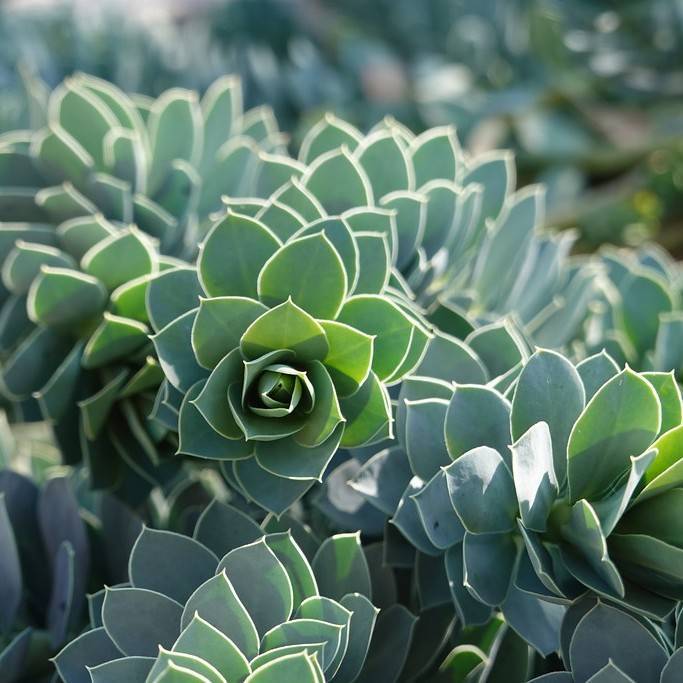
myrtle spurge
Euphorbia myrsinites
Overview
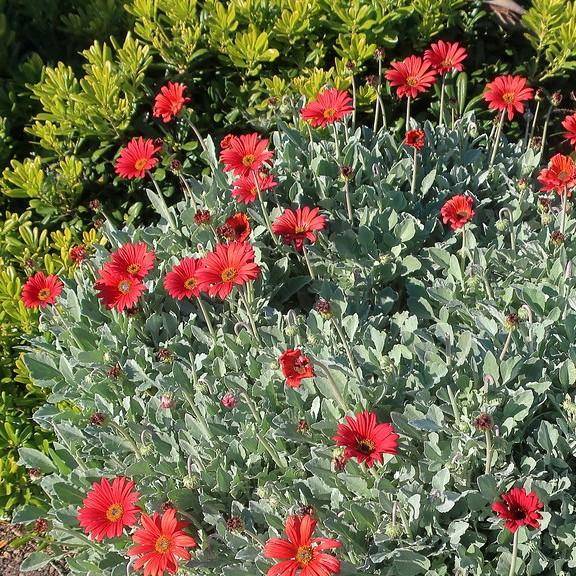
Myrtle spurge is an amazing plant species known for its easily recognizable waxy grey-green foliage. It is a low-growing evergreen shrub commonly found in rocky areas of the Mediterranean. It has bright chartreuse yellow flowers appearing in spring that attract bees and other pollinators. The plant is also great for erosion control due to its deep rooted structure and spreading rhizomes. It's distinguishable lobed leaves are unique and add texture to any garden setting. Once established, it needs very little care and can even be drought tolerant. This hardy perennial is an excellent choice for rock gardens, slopes, and as a border.
Care Guide
Watering
Myrtle spurge prefers to grow in well-drained soils, and it is important to water them frequently. During the hot summer months, water the plant once every 3 days or so. However, during the cooler months, water it only once every 2 weeks. Make sure to never allow the soil to become entirely dry, as this will cause the plant to wilt. In the winter months, reduce the amount of watering even more, and make sure to remove any dead leaves.
Light
Myrtle spurge requires full sun exposure for best growth and bloom. In the summer months, myrtle spurge will need at least 6-8 hours of direct sun daily, with afternoon shade during the hottest afternoon hours. In cooler climates, providing myrtle spurge with 8-10 hours of sun can be beneficial. In winter months, it should take about 4-6 hours of sun each day. Additionally, it should also receive indirect light on cloudy days. Avoid placing myrtle spurge in deep shade that can prevent it from blooming and help keep its foliage low and flowering longer.
Soil
Rocky , gravelly , dry, Well-drained
Temperature
Hardiness zone 5-9.
Pruning
Myrtle spurge, or Euphorbia myrsinites, should be pruned in late winter or early spring. Pruning of your myrtle spurge should include removing any fading/browning leaves and stems from the previous season and cutting back the entire plant by 1/3. Doing this will help encourage new growth and more full growth. In the warmer months (spring, summer, early fall) it is best to trim your myrtle spurge lightly, just enough to remove dead or damaged leaves. It is not recommended to prune myrtle spurge during the winter months, as the foliage provides some protection from the cold and may die if trimmed too severely.
Propagation
Seed Propagation
Diseases & Pests
Common pests: Aphids, adelgids, Bacterial leaf spot, Fungal leaf spot, Mealybugs, Mites, Nematodes, Virus, Deer resistant, Rabbit resistant, Drought resistant .
Related plants
Other plants you might like if you grow myrtle spurge.