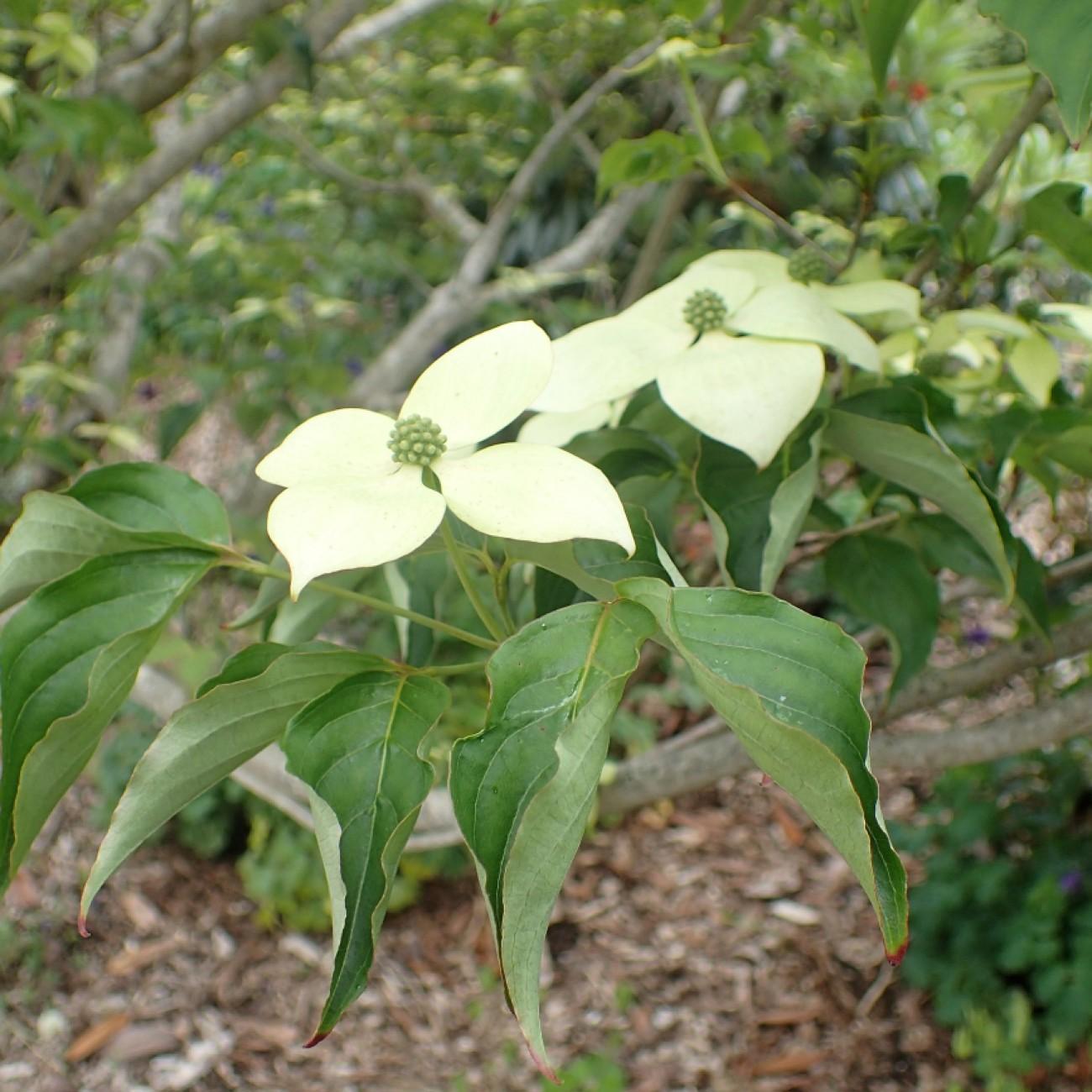
National Chinese Dogwood
Cornus kousa 'National'
Overview
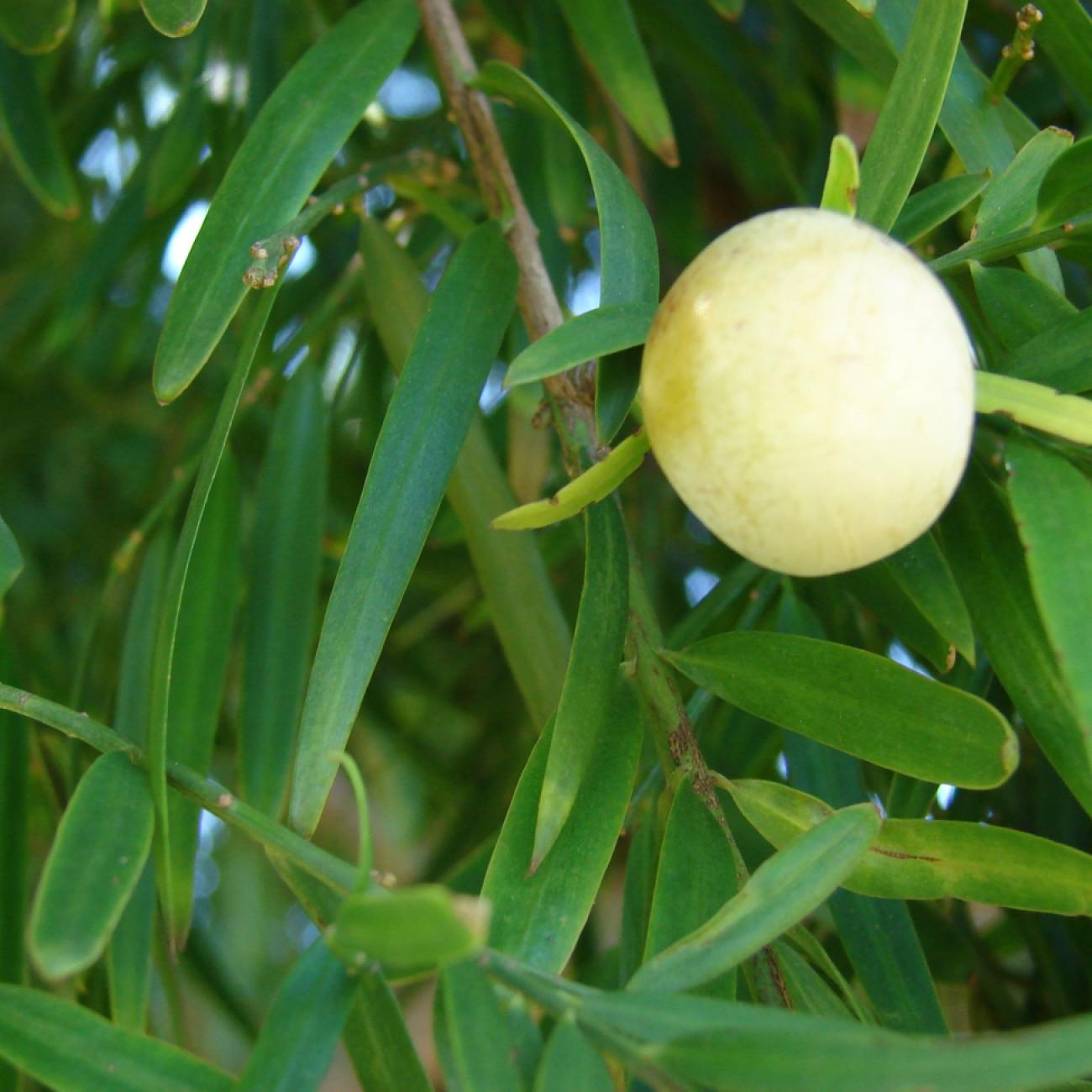
The National Chinese Dogwood (Cornus kousa 'National') is an amazing ornamental tree. It has a beautiful structure, with a spreading canopy and bright green foliage. It stands out in any garden with its fragrant white flowers and white berries. These flowers bloom in the late spring, and the tree produces a bright display for months. Its easy-care nature and cultivation habits make this variety a convenient choice for many gardeners. This adaptable tree also thrives in a wide range of soils and weather conditions. Beyond its good looks, the National Chinese Dogwood is also disease-resistant and long-lived, with an average life expectancy of up to 50 years. It's an excellent choice to add interest to any landscape.
Care Guide
Watering
Water the National Chinese Dogwood (Cornus kousa 'National') when the top of the soil is dry to the touch. This variety of dogwood thrives in moist, well-draining soil and should be watered deeply about once a week during the summer months. In the winter, the soil can be allowed to dry out slightly more between waterings. Be careful not to overwater, as this can cause root rot. Make sure the soil is moist but not soggy.
Light
National Chinese Dogwood (Cornus kousa 'National') requires full sun to partial shade. An ideal amount of sunlight for the National Chinese Dogwood would be a minimum of 4 to 6 hours of direct sun each day and 5 to 7 hours with some protection from the afternoon sun. Too little sun will reduce flowering while too much can cause foliage burn, especially during hot, dry summers. The best time for the National Chinese Dogwood to get direct sun is in the morning, with some afternoon protection when possible.
Temperature
Hardiness zone 5-5.
Pruning
National Chinese Dogwood (Cornus kousa 'National') should be pruned in early spring before new growth begins. Pruning should be done sparingly, as it can reduce flowering and fruit production. However, selective pruning can help shape branches and remove any dead or damaged branches. 1/3 of the oldest branches should be removed to stimulate the growth of new, strong branches. When pruning, take care not to remove too much of the plant’s foliage or it may become top heavy and more susceptible to wind damage.
Propagation
Grafting Propagation, Cutting, Layering Propagation, Air Layering Propagation, Tissue Culture
Uses & Symbolism
Attracts: Butterflies.
Related plants
Other plants you might like if you grow National Chinese Dogwood.