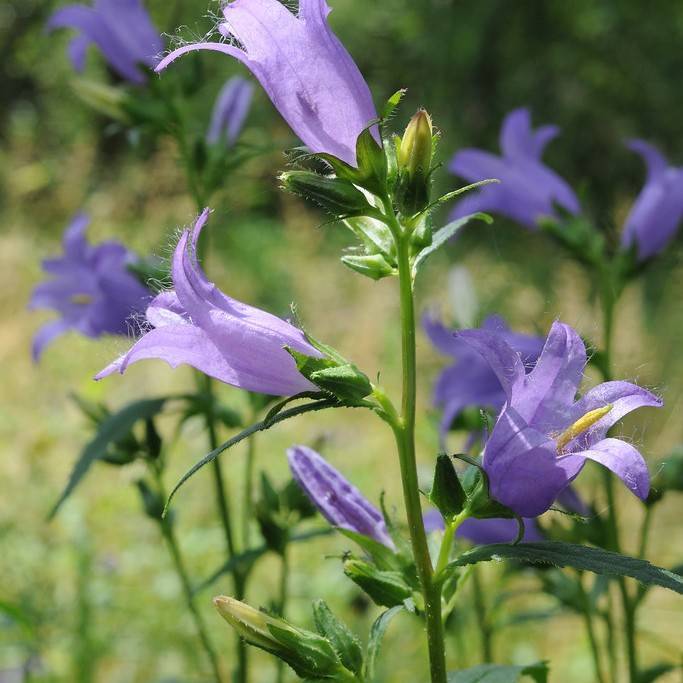
nettle-leaved bellflower
Campanula trachelium
Overview
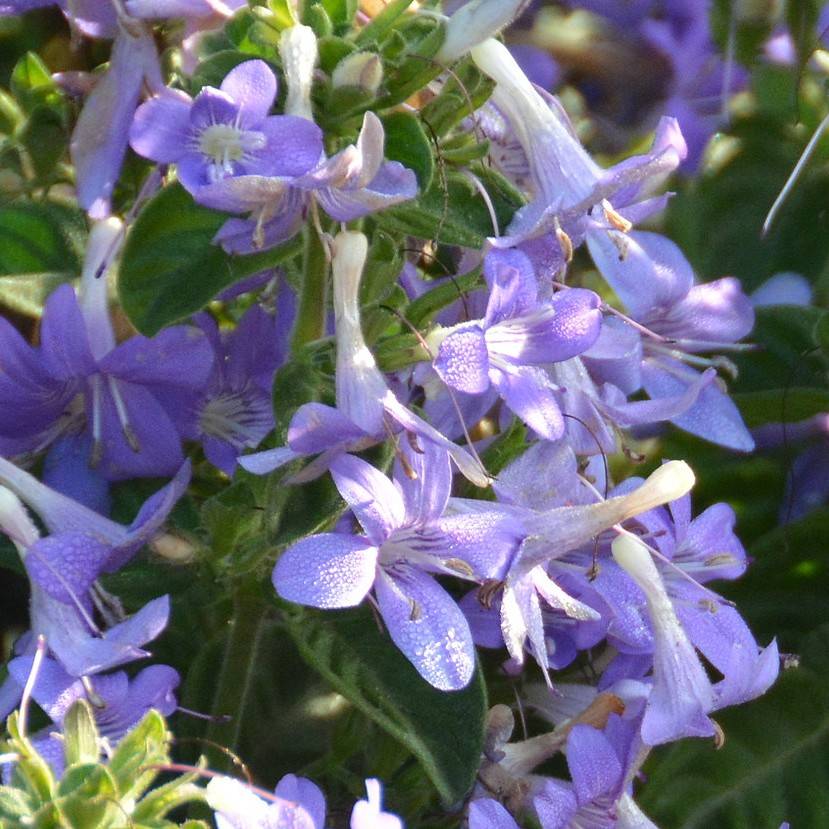
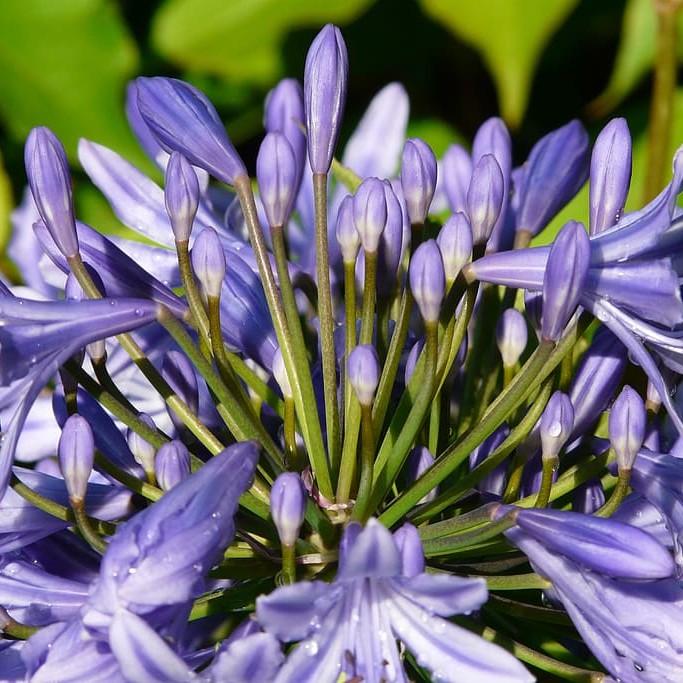
The nettle-leaved bellflower (Campanula trachelium) is an amazing plant species that grows natively in temperate zones all over the world. The bright, showy blooms are a delight to behold, with their deep violet color and bell-shape. The foliage is equally attractive and resembles stinging nettle leaves. They require little maintenance and are very tolerant of a variety of growing conditions, making them a great choice for beginners as well as seasoned gardeners. Best of all, they attract beneficial insects and birds to the garden, adding to its beauty and biological diversity. With its stunning beauty and ample benefits, the nettle-leaved bellflower truly deserves its place in the garden.
Care Guide
Watering
Nettle-leaved bellflower should be watered frequently with small amounts of water rather than large infrequent waterings. Water about once a week when soil is dry to the touch, making sure not to soak the root system. If water is left to stand on the foliage or buds for long periods, it can cause fungus issues. During the flowering and fruiting period, water more regularly, making sure that the soil does not dry out completely between waterings. Too little water will cause the leaves to turn yellow and the plant to flower, and possibly fruit, poorly.
Light
Nettle-leaved bellflower (Campanula trachelium) is a herbaceous perennial that prefers sunny positions, roughly 6-8 hours of direct sunlight every day. Sunlight is essential for the plant to perform biological functions, such as photosynthesis, necessary for growth. Sunlight also helps the plants to produce flowers; without adequate sunlight, the flowering period will be reduced and the flowers may be fewer. In climates with long summer days, nettle-leaved bellflower may be able to grow and flower without any shade. For climates with shorter days and cooler summers, a light amount of shade during the heat of the day may be beneficial for growth and flowering.
Temperature
Hardiness zone 5-8.
Pruning
Nettle-leaved bellflower should be pruned in early spring before new growth begins. Pruning should not be excessive and should focus on removing dead or diseased growth, as well as deadheading any faded flowers. Pruning in this way will help promote healthy and vigorous new growth. Depending on the growth habits of the plant, pruning can be done annually or biennially.
Propagation
Seed Propagation, Division, Cutting, Layering Propagation
Diseases & Pests
Common pests: Aphids, adelgids, Mildew, Rust, Slugs, snails, Pest resistant, Disease resistant, Deer resistant, Rabbit resistant .
Related plants
Other plants you might like if you grow nettle-leaved bellflower.