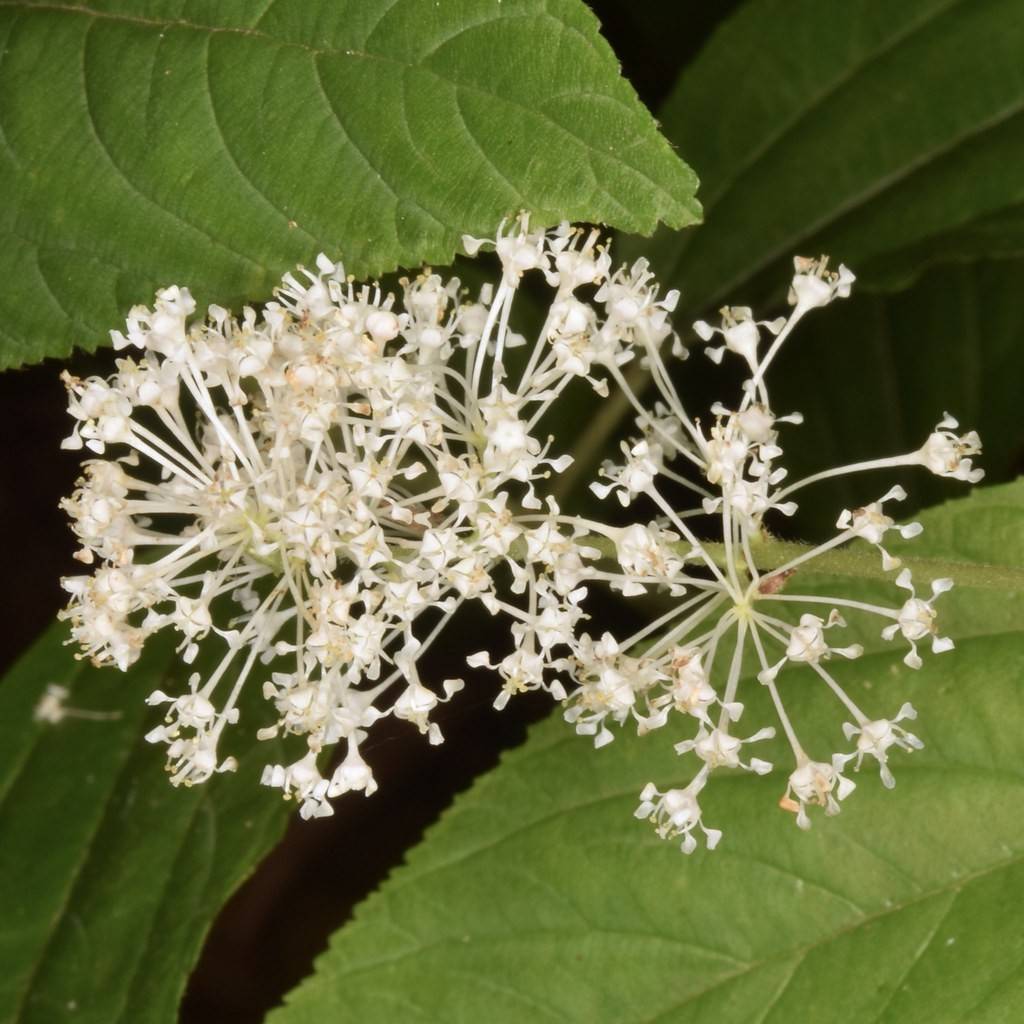
New Jersey tea
Ceanothus americanus
Overview
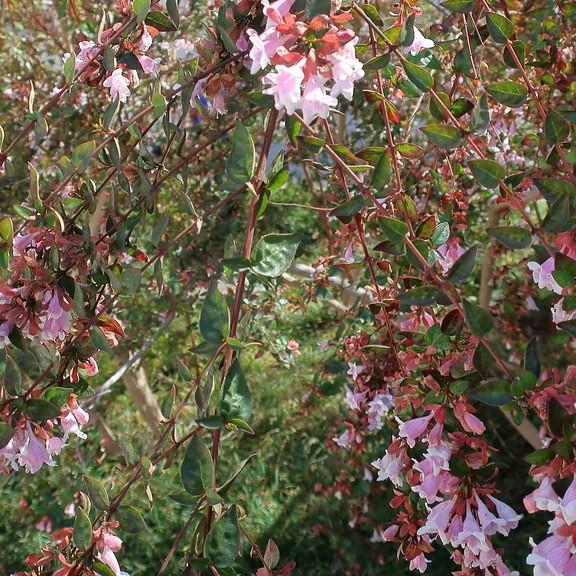
New Jersey tea (Ceanothus americanus) is an amazing native plant species that grows throughout the eastern United States. It features beautiful white blossoms that make it an attractive addition to any garden, as well as its sweet smell. It is a hardy plant, so it can survive even in the driest of conditions. It is an excellent low maintenance plant, making it a great choice for even the novice gardener. It's also known to be a great source of nectar for birds and other insects. The leaves of the New Jersey tea are known to be high in antioxidants, making it a great addition to teas, wines, and medicinal products. The bark can be used to make a tea as well. All in all, New Jersey tea is an amazing plant that provides great benefits to both people and the environment.
Care Guide
Watering
New Jersey tea should be watered every 3-4 days during the summer and every 6-7 days throughout the rest of the year. It is important to water the plant deeply and slowly, ensuring the soil is thoroughly moistened. During the summer, the plant should be given 1 inch of water per week and ½ inch of water per week during the winter. It is important to not over water, as this can cause the plant’s leaves to yellow and the roots to rot.
Light
New Jersey tea (Ceanothus americanus) grows best in full sunlight and needs at least 6 hours of direct sunlight per day to thrive. For best results, direct sunlight should fall on the plant in the morning hours of the day, allowing it to catch the warmth of the sun and its rays before evening temperatures cool off. If grown in partial shade, the plant may not have enough energy to fully establish itself.
Soil
Sandy Loamy Rocky
Temperature
Hardiness zone 4-8.
Pruning
New Jersey tea (Ceanothus americanus) should be pruned in the summer, after the plant has finished flowering. Generally, only moderate pruning is required, with removal of no more than 1/3 of the shrub's total growth. Pruning should focus on removing dead or broken stems, as well as thinning out stems that are growing close together. This will allow for better air circulation and reduce the risk of disease or fungus. Avoid pruning dormant or newly planted shrubs until they have been established for at least a year.
Propagation
Seed Propagation, Cutting, Layering Propagation, Division
Uses & Symbolism
Attracts: Hummingbirds, Butterflies.
Related plants
Other plants you might like if you grow New Jersey tea.