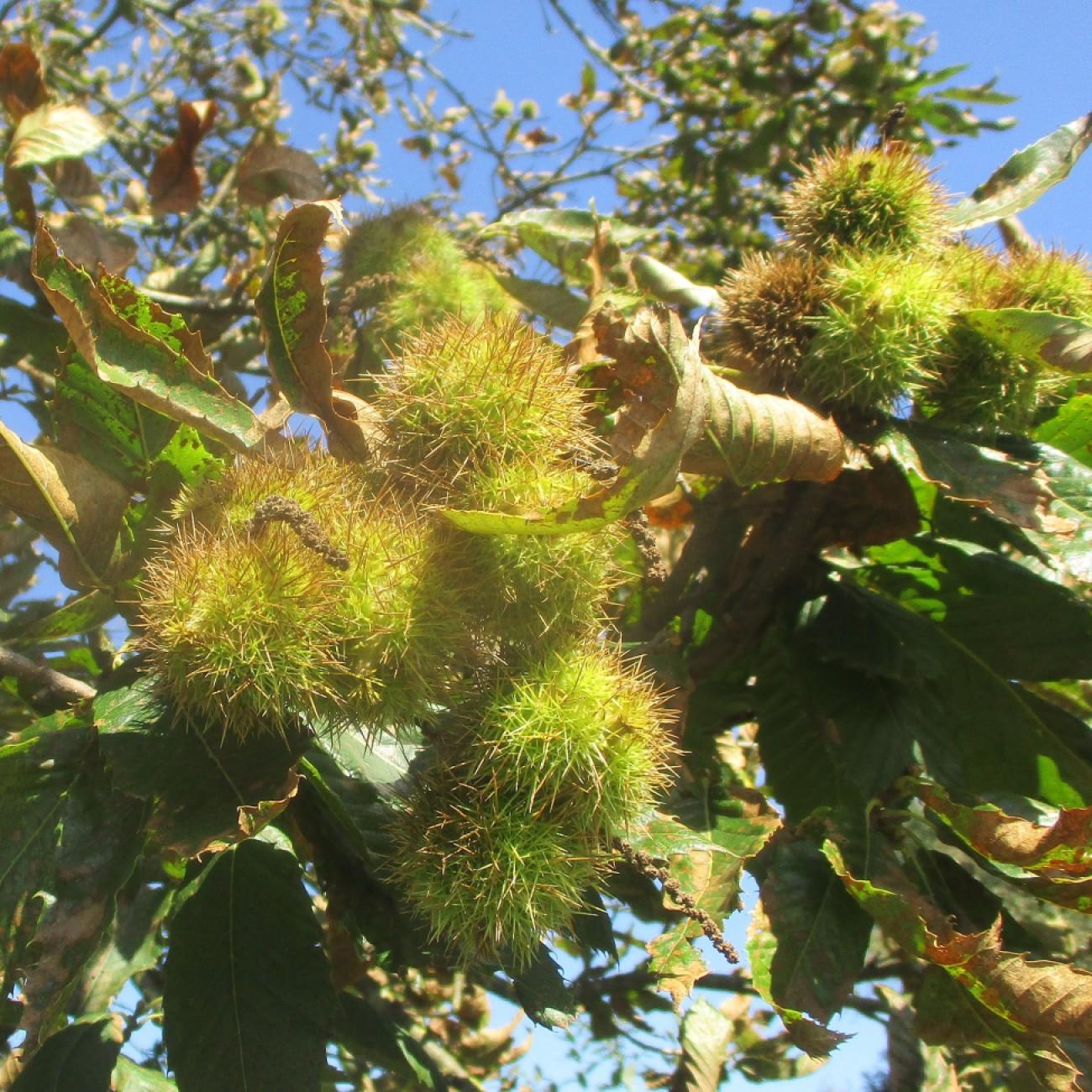
Ozark chinquapin
Castanea ozarkensis
Overview
The Ozark chinquapin (Castanea ozarkensis) is an amazing species of tree native to the Ozark Mountains of Missouri and Arkansas. It is a deciduous species with bright green leaves and produces a sweet, delicious nut. The Ozark chinquapin is drought-tolerant and can easily survive in poor soils. It can reach up to 34 feet in height and is a very strong and long-lived tree, with specimens reported to be over 200 years old. The nut is popularly eaten raw, roasted or boiled, and also used as an ingredient in desserts, breads, and breakfast cereals. The Ozark Chinquapin is a marvel for its beauty and its bountiful assortments in and around the Ozarks.
Care Guide
Watering
When watering an Ozark chinquapin, apply water deeply and slowly to encourage deep root growth. During dry periods, aim to water the area around the trunk every 7–10 days. During warmer weather when the plant is actively growing, water more frequently, about 3–4 times per week. Be sure to avoid overwatering as the plant is susceptible to root rot. Avoid spraying the leaves with a hose as this can lead to fungal diseases. Watering should be done early in the day to allow any moisture on the leaves to dry before nightfall.
Light
The Ozark chinquapin prefers full sunlight and should be planted in a location that receives 6 to 8 hours of direct sunlight each day. Morning sunlight is more important than afternoon sunlight, as it helps the plant to warm up and photosynthesize earlier in the day. During the summer months, the plant may benefit from some afternoon shade to help protect it from the intense summer heat.
Temperature
Hardiness zone 5-8.
Pruning
The best time for pruning Ozark chinquapin (Castanea ozarkensis) is generally in late winter to early spring, just before the new growing season begins. Pruning should be done sparingly, no more than 10-20% of the tree’s crown. The goal should be to maintain the natural shape of the tree, encouraging a strong, healthy framework of branches. Remove crossing or damaged branches, and thin out any overcrowding. Make sure each cut is clean and sharp, and seal all wounds from pruning with a pruning sealant.
Propagation
Seed Propagation, Seed Propagation, Seed Propagation, Grafting Propagation, Layering Propagation, Cutting
Uses & Symbolism
Attracts: Birds.
Related plants
Other plants you might like if you grow Ozark chinquapin.