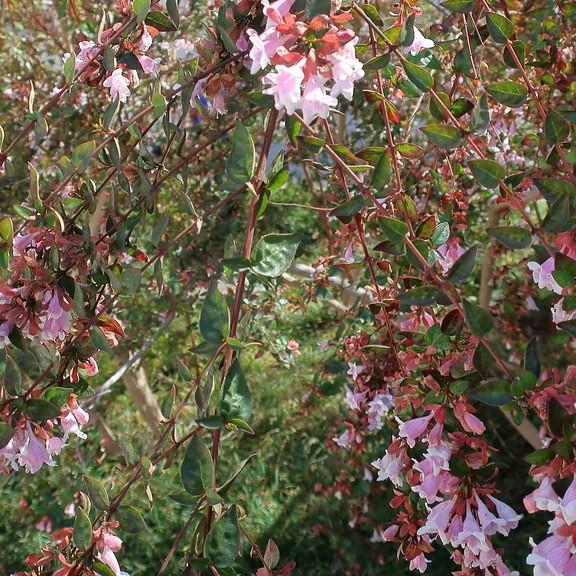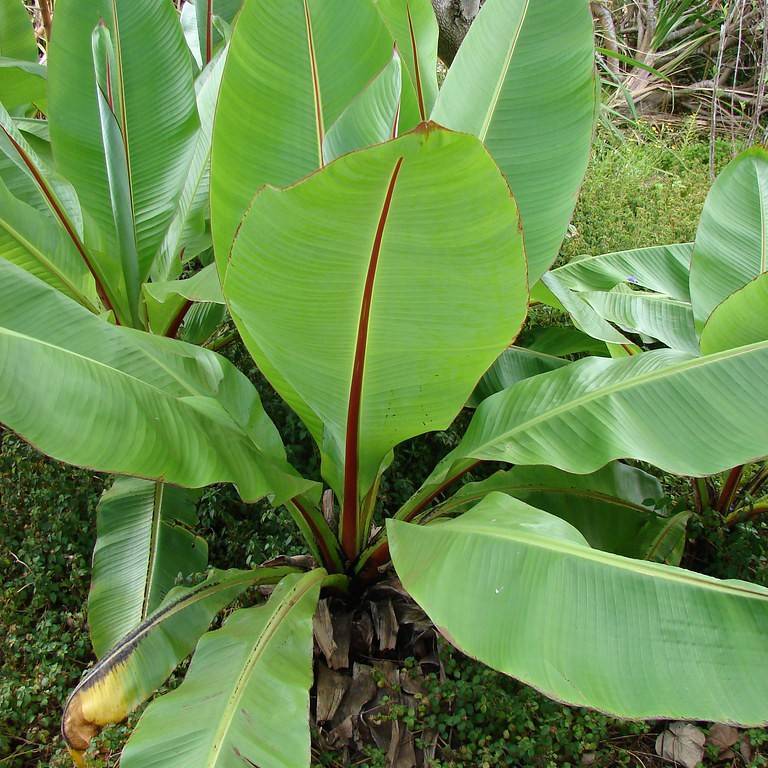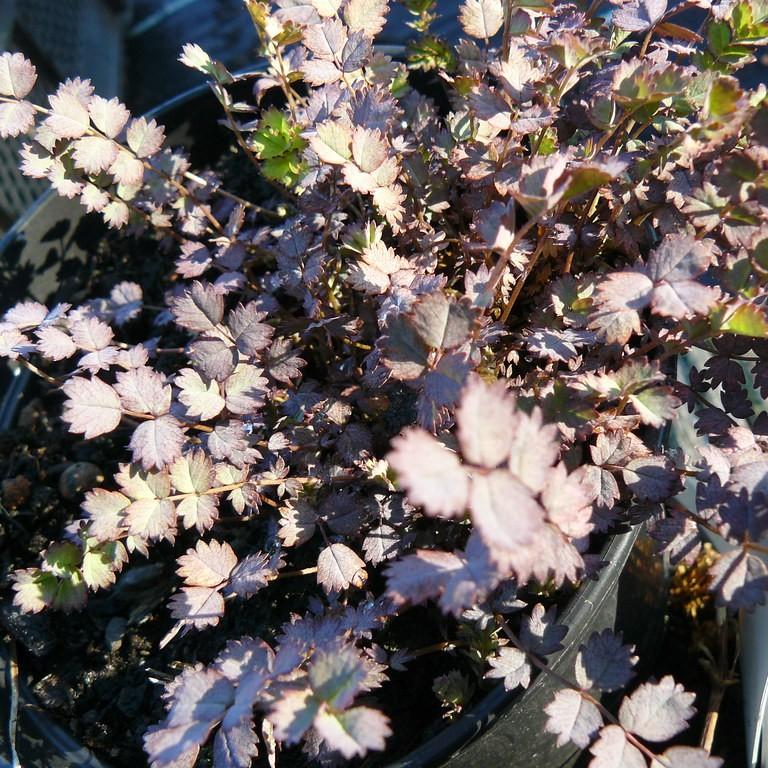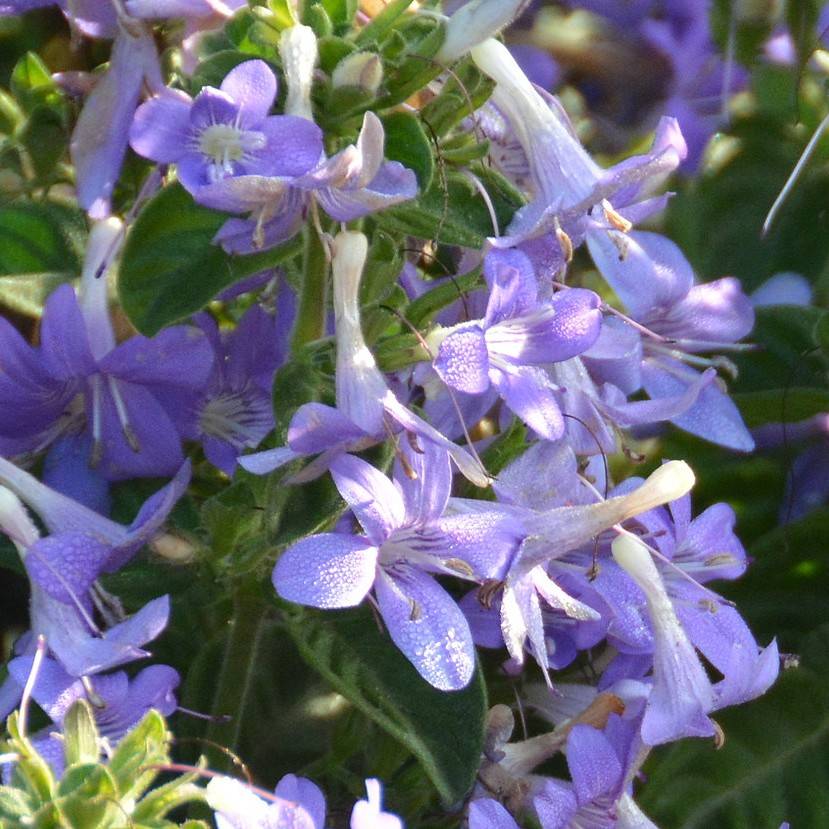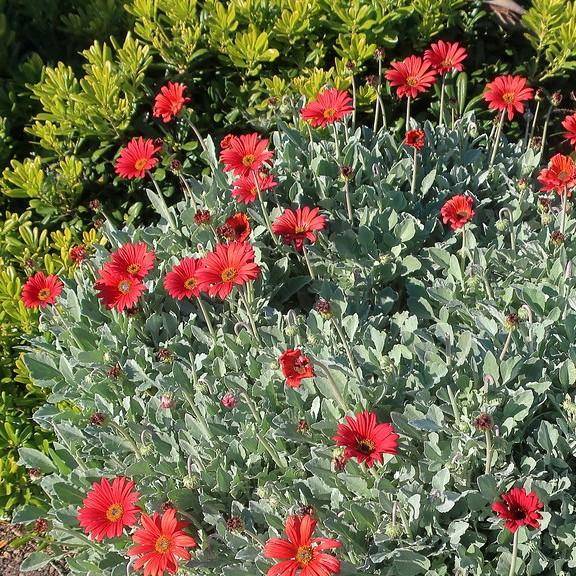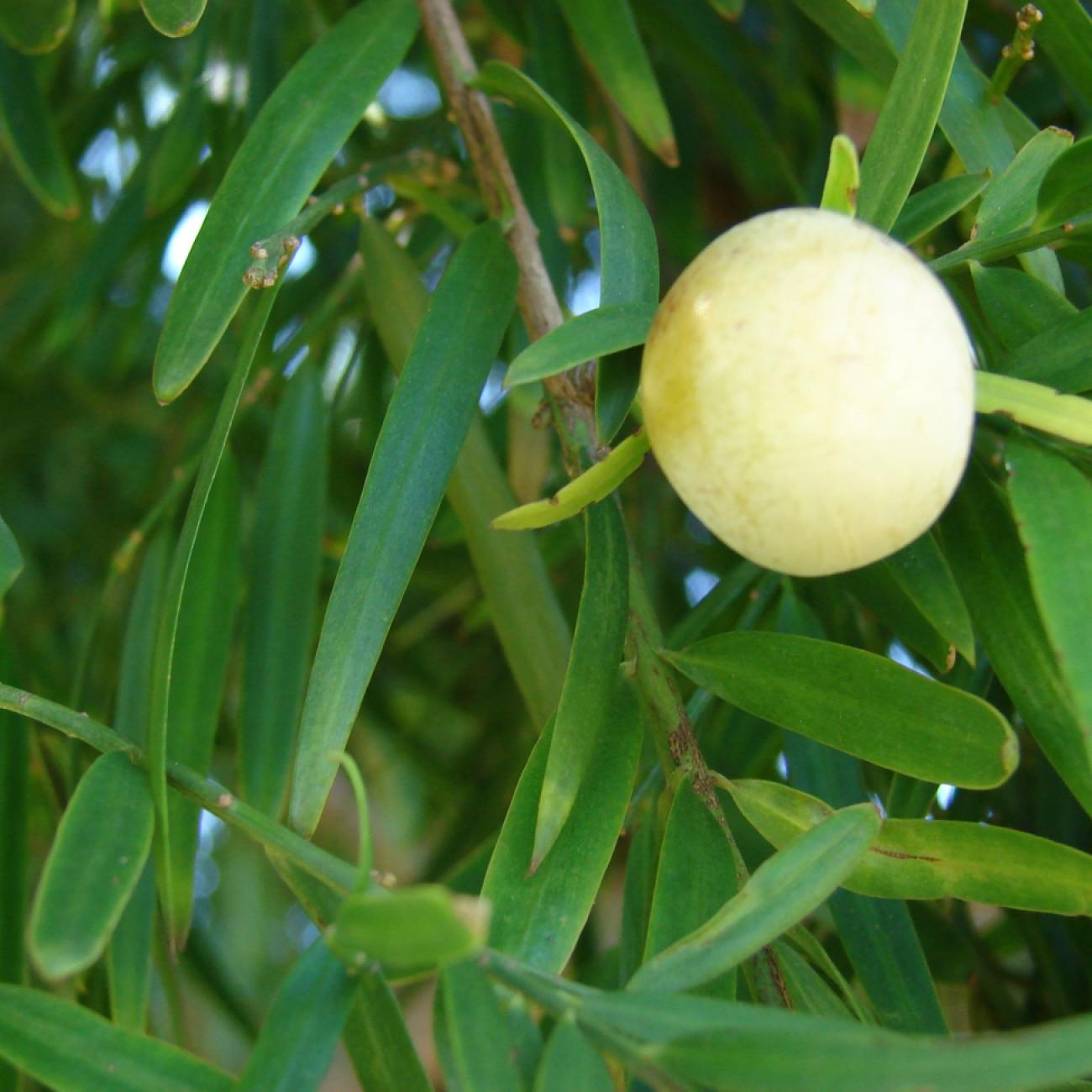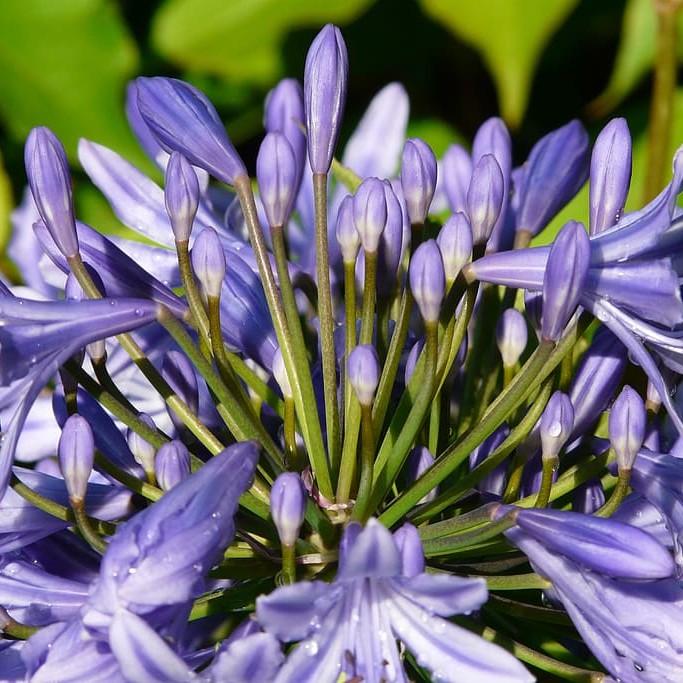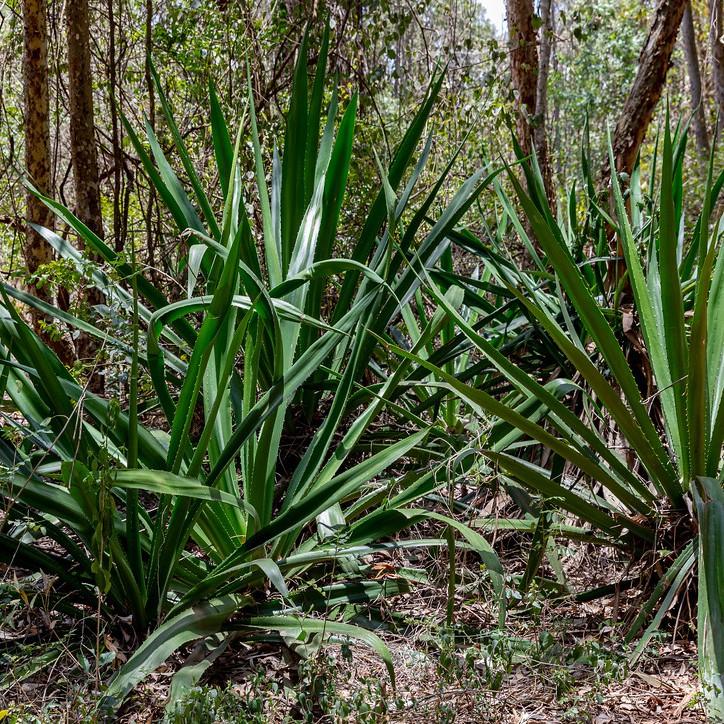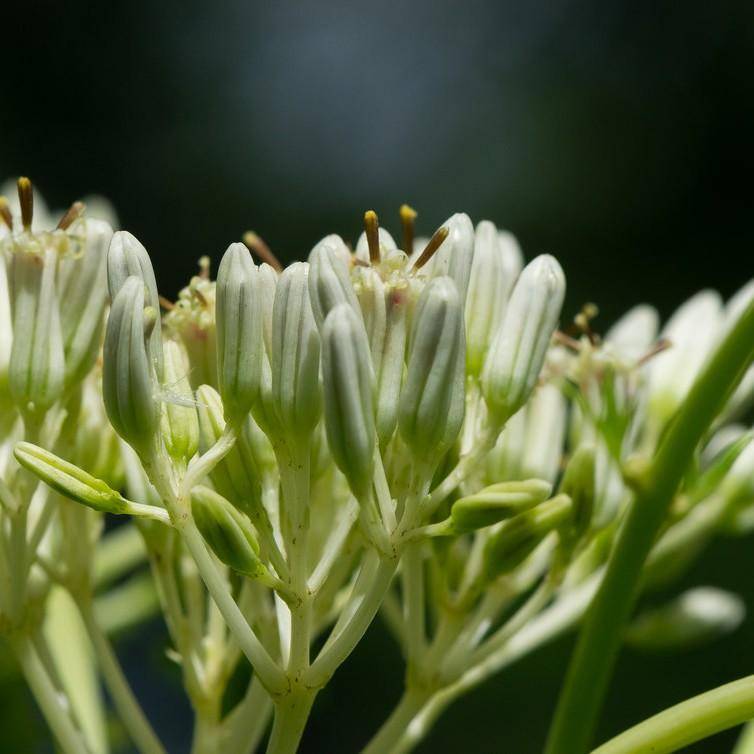
pale Indian plantain
Arnoglossum atriplicifolium
Overview
The Pale Indian Plantain, Arnoglossum atriplicifolium, is an amazing plant species due to its ability to thrive in a variety of environments. It is a perennial herb that is native to North America and can be found in all parts of the continent. This plant was traditionally used by Native Americans for medicinal purposes, though it still has a wide variety of uses today. Its foliage is deep green and its flowers are small and white, providing a beautiful addition to any garden. The Pale Indian Plantain is also a low-maintenance plant, and is tolerant to both dry and wet soils. It is an excellent choice for any gardener or landscape looking for a hardy, low-maintenance species!
Care Guide
Watering
The Pale Indian Plantain should be watered twice a week during its active growing season (April to October). During this time, the plant should be watered deeply enough to moisten the soil completely. Allow the surface of the soil to dry out partially between waterings so that the plant is not sitting in overly moist soil. During the winter months, reduce the frequency of watering significantly. The Pale Indian Plantain should receive only enough water to keep the soil from drying out completely.
Light
The pale Indian plantain (Arnoglossum atriplicifolium) is native to eastern North America and loves full sun exposure. For optimal growth, this plant should be placed in a spot that receives 6 to 10 hours of direct sunlight each day during the growing season. During the spring and summer, when days are longer, 14 hours of direct sunlight per day is ideal. It should be noted, however, that the pale Indian plantain has some tolerance for partial shade and can tolerate more sun if the temperature is kept cooler or does not rise above 90°F.
Temperature
Hardiness zone 3-8.
Pruning
Pale Indian plantain (Arnoglossum atriplicifolium) should be pruned twice a year: once in the early spring, and then again in the late summer. In early spring, the plant should be cut back to about half its height to encourage a bushier, fuller shape. This will also help remove any dead growth from the previous year. In late summer, the plant can be lightly pruned to encourage any remaining blooms, remove any old growth, and help with air circulation. It is important to avoid excessive pruning, which can significantly reduce the health and vitality of the plant.
Propagation
Division, Root Cutting, Seed Propagation, Cormlet Propagation, Rhizome Propagation
Related plants
Other plants you might like if you grow pale Indian plantain.