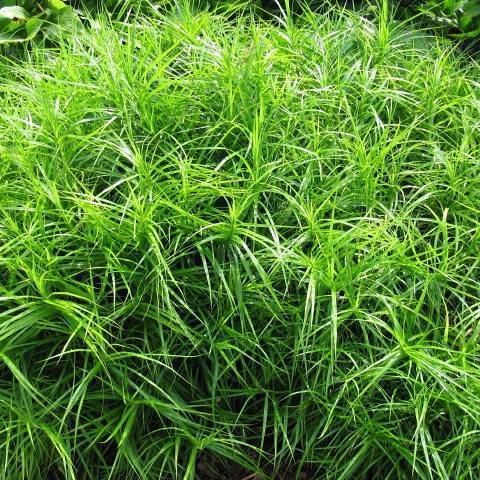
palm sedge
Carex muskingumensis
Overview
Palm Sedge (Carex Muskingumensis) is a unique and amazing plant species native to North America. Its stunning foliage resembles a palm frond and looks like an evergreen in winter. The leaves range from tan and green to reddish-brown in color. Its sharp-edged blades are distinctive and give the plant an exotic look. Its roots are shallow and spread out, allowing it to grow in areas with moist and boggy conditions. Its inconspicuous flowers bloom in the summertime, bearing tiny spherical fruits - adding to its distinct look. Palm Sedge is a great addition to any wildlife garden and is sure to provide texture and striking color to the landscape.
Care Guide
Watering
Palm sedge should be watered regularly in order to stay healthy and thrive. During the active growth period in spring and summer, water your palm sedge lightly but frequently, typically every 7-10 days. Avoid over-watering and allow the soil to dry out slightly between waterings. In autumn and winter, reduce the frequency of watering, allowing the soil to dry out almost completely between waterings. If you're not sure when to water, another good rule of thumb is to water when the top 1 to 2 inches of soil feels dry.
Light
Palm sedge (Carex muskingumensis) thrives in full sun, meaning it should receive at least 4 to 6 hours of direct sunlight every day. It is best to provide the plant with morning or midday sun, as palm sedge can tolerate afternoon heat better than most other plants. Additionally, palm sedge prefers consistently moist soil, so it important to water your plants whenever the surface of the soil is dry to the touch.
Temperature
Hardiness zone 4-9.
Pruning
Palm sedge plants should be pruned in the early spring before growth begins. A light pruning of dead leaves should be done in late winter or early spring to create an even look. Pruning should be done in moderation, and only the dead material, crossed or broken branches should be removed. Pruning should never exceed 1/3 of the plant's total foliage and the remaining foliage should be symmetrically distributed. To encourage vigorous new growth, some branching, and fuller growth, palm sedges may also benefit from an additional light pruning in late August.
Propagation
Division, Cutting, Seed Propagation, Stolon
Related plants
Other plants you might like if you grow palm sedge.