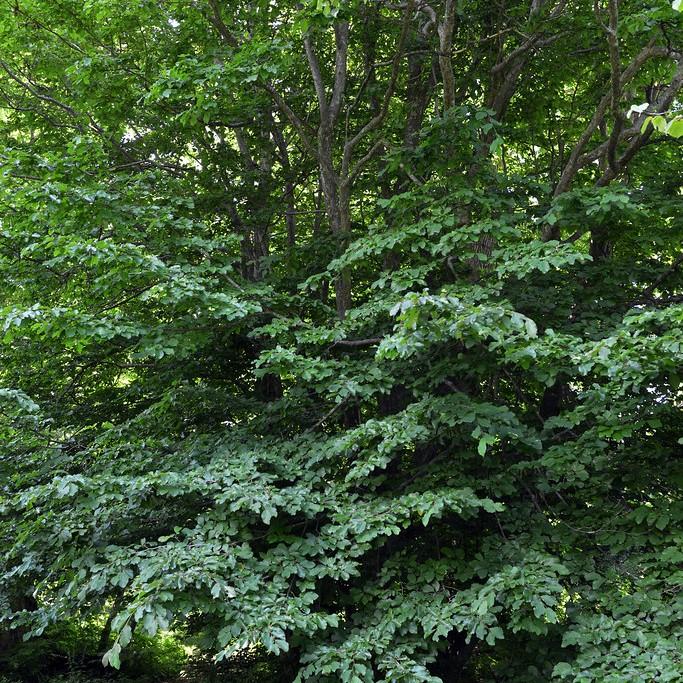
Persian Parrotia
Parrotia persica
Overview
Persian Parrotia (Parrotia persica) is an amazing tree species native to northern Iran and Caucasia that is well suited for gardens, parks and urban settings. Its stunning bark, long-lasting flowers and unique fruits make it a strongly recommended tree for any garden or park. Apart from the beautiful exfoliating bark in shades of deep umber, the new season leaves of Persian Parrotia are a brilliant bronze and burgundy shade that matures to a glossy deep green. The small fruits in autumn are yellow or orange and provide food for birds; that combined with year-round interest make it a valuable species to have in your outdoor space.
Care Guide
Watering
Persian Parrotia (Parrotia persica) prefer an evenly moist soil, so regular watering is necessary. During the summer months, it should be watered once a week and during the winter months, it should be watered every other week. The soil should be allowed to dry out slightly between waterings, so it does not become soggy. During very dry summers, it may need to be watered more frequently. Keep an eye on the leaves, and if they start to look wilted, it is probably time to water.
Light
The Persian Parrotia prefers or tolerates full sun in the morning, with partial shade in the afternoon. Although full sun exposure all day may be beneficial for flowering, it may cause leaf burn or scorching in some individuals. Plants grown in partial shade can be as vigorous as those in full sun, but may not flower as well. Provide the plant with 6 to 8 hours of direct sunlight each day for best results.
Soil
Acidic, Well-drained
Temperature
Hardiness zone 6-6.
Pruning
Persian Parrotia (Parrotia persica) is a deciduous ornamental tree that is prized for its attractive bark and bright, yellow autumn color. Pruning should be done during the fall and winter months, when the tree is dormant. Pruning should be limited to only light shaping or removal of dead, damaged, diseased, or crowded branches. Heavy pruning should be avoided as this can prevent the formation of the beautiful peeling bark. Additionally, pruning late in the season may inhibit flowering and can damage the buds that will open next year.
Propagation
Seed Propagation, Hardwood Cuttings
Diseases & Pests
Common pests: Pest resistant, Disease resistant.
Related plants
Other plants you might like if you grow Persian Parrotia.







