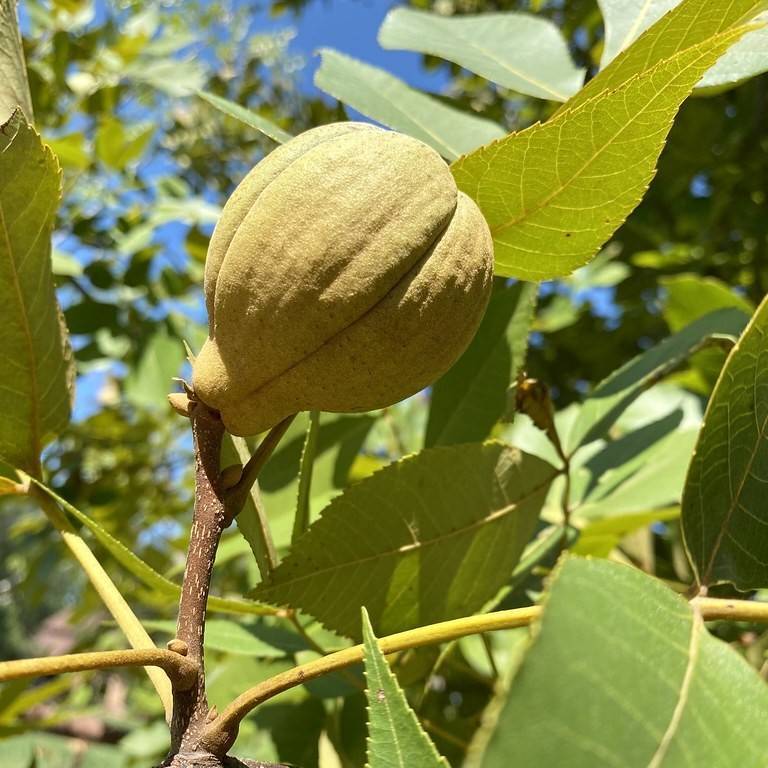
pignut
Carya glabra
Overview
The pignut (Carya glabra) is amazing for its ability to grow in a wide variety of soil types and in sun or shade. Its edible nuts are encased in hard thick shells that are difficult to crack, with a sweet flavor that is likened to butternuts and hazelnuts. The pignut is also valued for its wood, which is of moderate strength, yet tough and durable. It is a valuable timber tree for furniture production. Birds also enjoy the pignut nuts for their high fat content, making it a great food source for wildlife. The pignut is truly an amazing species.
Care Guide
Watering
When watering a plant species called Pignut (Carya glabra), it is best to water it deeply and infrequently. Water the plant once every 2 weeks during periods of active growth, or about 1 to 2 inches per application. Doing so will ensure that the moisture will penetrate deep into the soil and get to the plant's roots. During the growing season, check the soil at the base of the Pignut plant weekly to determine if it needs more water. If the top few inches are dry, water the plant until the soil is saturated. During the winter when the plant is dormant, water less frequently; every 3 to 4 weeks should be sufficient.
Light
Pignut (Carya glabra) thrives in areas with full sun to part shade. To provide optimal conditions for growth, pignuts require at least 6 hours of direct sunlight daily. When grown in the appropriate amount of sunlight, pignuts produce an abundance of foliage. However, when grown in too much shade, the plant may be more susceptible to pests and diseases. Additionally, too little sun can inhibit the production of fruits and nuts. For best results, plant pignuts in a location that gets full sun in the morning and partial shade in the afternoon.
Soil
Clay, Loam
Temperature
Hardiness zone 4-9.
Pruning
Pruning of the Pignut (Carya glabra) should be done in late spring or early summer to promote healthy new growth. Pruning should be minimal, focusing on removing any dead, diseased, or broken branches, as well as any crossing or inward-growing branches, to promote tree health and prevent disease. Pruning should leave the frame of the tree natural, without stunting or producing dense foliage. If only limited pruning is required, it is best to leave the shady canopy of the Pignut mostly intact.
Propagation
Seed Propagation, Layering Propagation, Grafting Propagation, Cutting, Division
Uses & Symbolism
Attracts: Birds.
Related plants
Other plants you might like if you grow pignut.