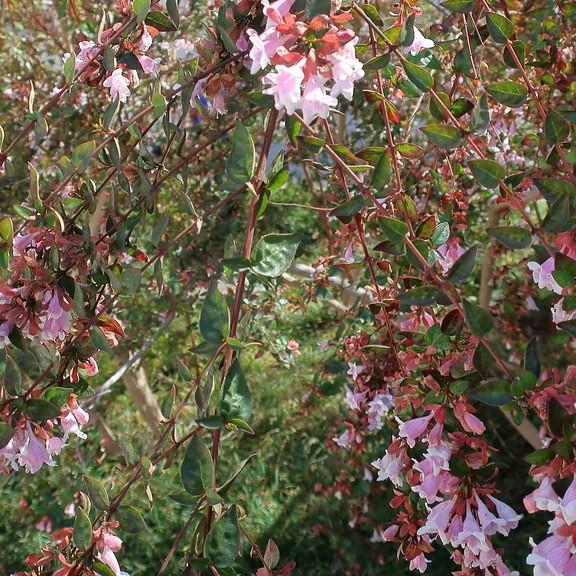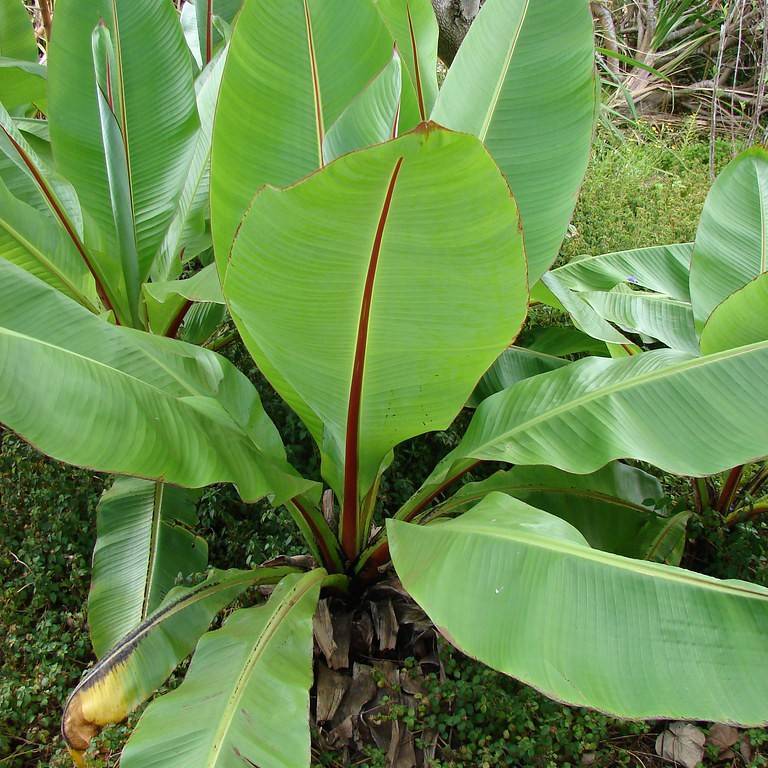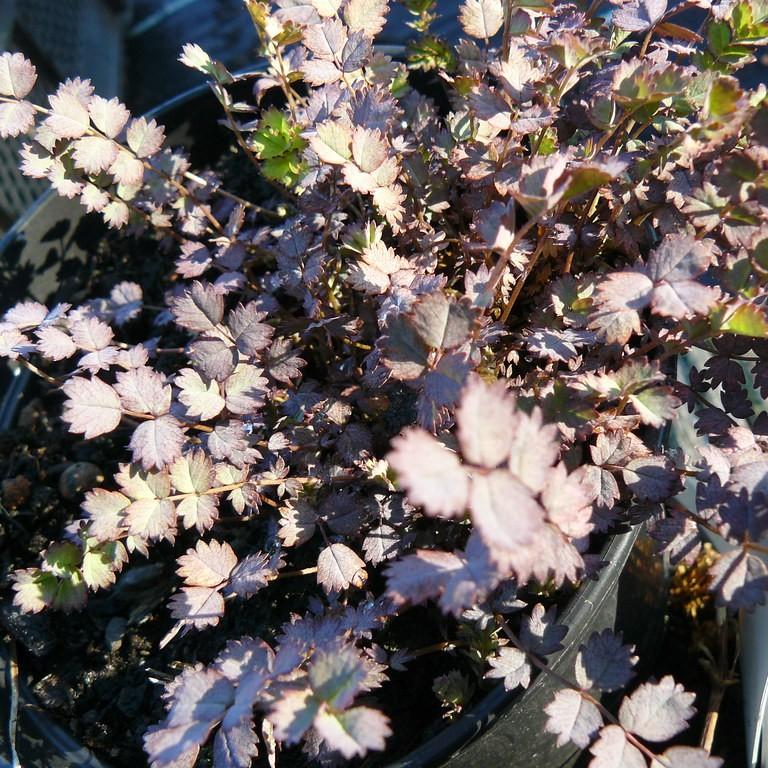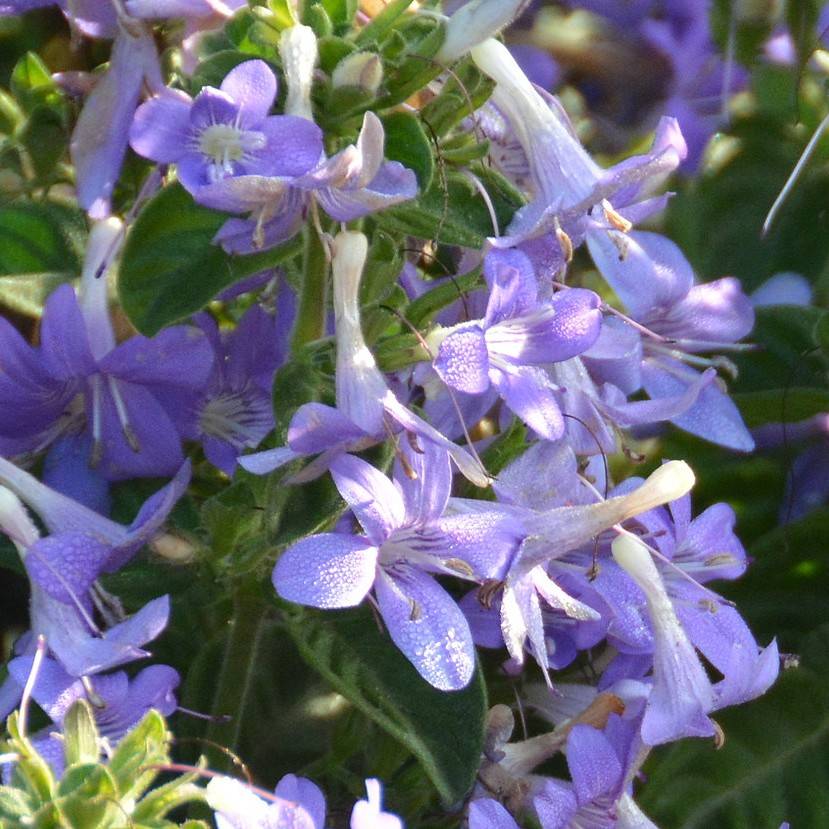
pink
Dianthus allwoodii 'Frosty Fire'
Overview
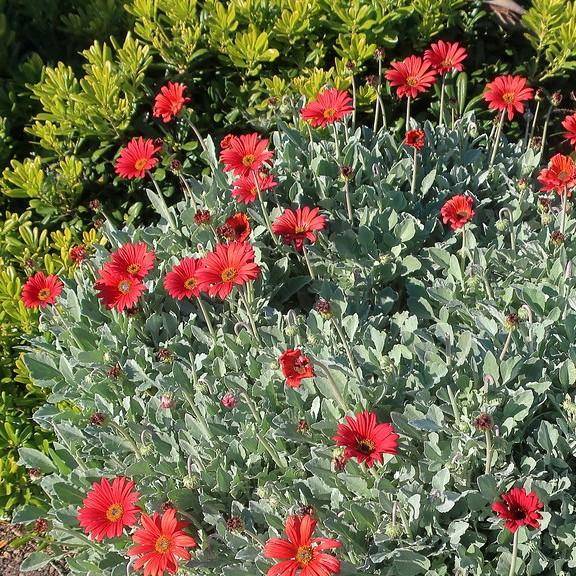
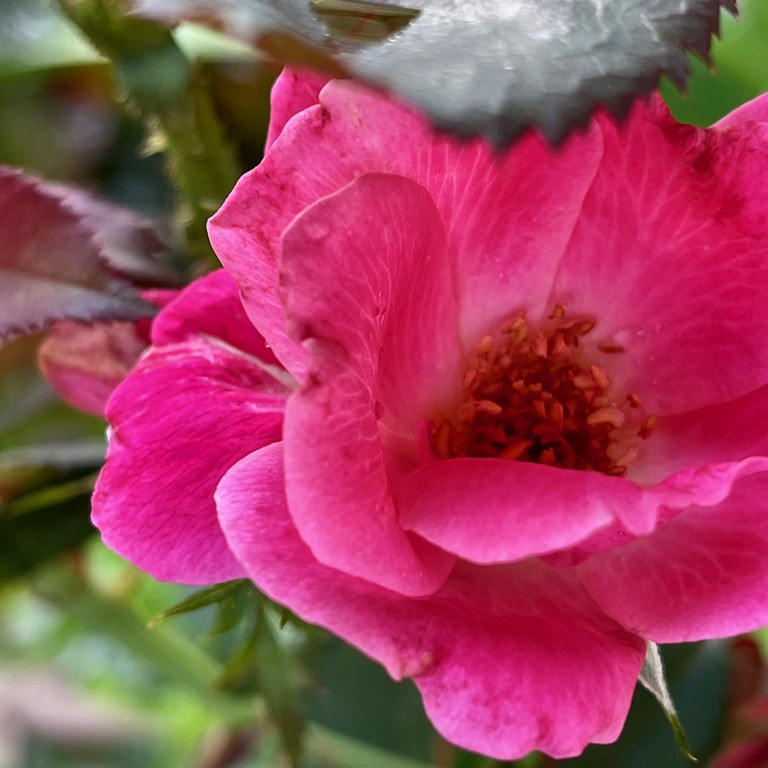
The pink Dianthus allwoodii 'Frosty Fire' is a captivating and vibrant perennial that is sure to bring beauty and life to any garden. Its brightly colored flowers are a mix of deep dark pink and electric pink that will steal your heart away and add a sense of warmth and vibrancy. Not only is it pleasing to the eye, but it's also incredibly hardy, only requiring well-drained soil and a full sun position to thrive. Its an easy plant to maintain and is highly resistant to disease, leaving you with more time to enjoy the beauty of your garden.
Care Guide
Watering
Pink Dianthus allwoodii 'Frosty Fire' requires moderate watering. Water thoroughly when the soil feels dry to the touch, allowing the excess water to drain away. Aim to keep the soil evenly moist, but not soggy. To avoid overwatering, check the soil about 1 inch below the surface with your finger. Water once or twice a week during the spring and summer months, and about once every 2 weeks in the fall and winter.
Light
The Pink (Dianthus allwoodii 'Frosty Fire') plant species requires plenty of sunlight to thrive. It should ideally get direct, full sun for at least 6 hours a day in the Spring, Summer and Autumn months. During the Winter months, it can do with slightly less sunlight, as it is likely to go dormant. However, it should still get a minimum of 4 hours of direct full sunlight each day during the colder months. It is best to avoid cold winter winds as these can damage the plant.
Temperature
Hardiness zone 3-8.
Pruning
Pink (Dianthus allwoodii 'Frosty Fire') should be pruned during late winter or early spring. This may vary depending on your local climate. To prune effectively, remove any old or dead flowers as this will help to encourage new growth. Trim off any leggy stems and prune back the plant to neaten up its shape and encourage new blooms. If needed, prune off some of the branches to keep the plant small and compact. Hard pruning (removing about 1 third of the plant) can help promote vigorous new growth as well as encourage flowers.
Propagation
Division, Cutting, Layering Propagation, Seed Propagation
Uses & Symbolism
Attracts: Butterflies.
Related plants
Other plants you might like if you grow pink.