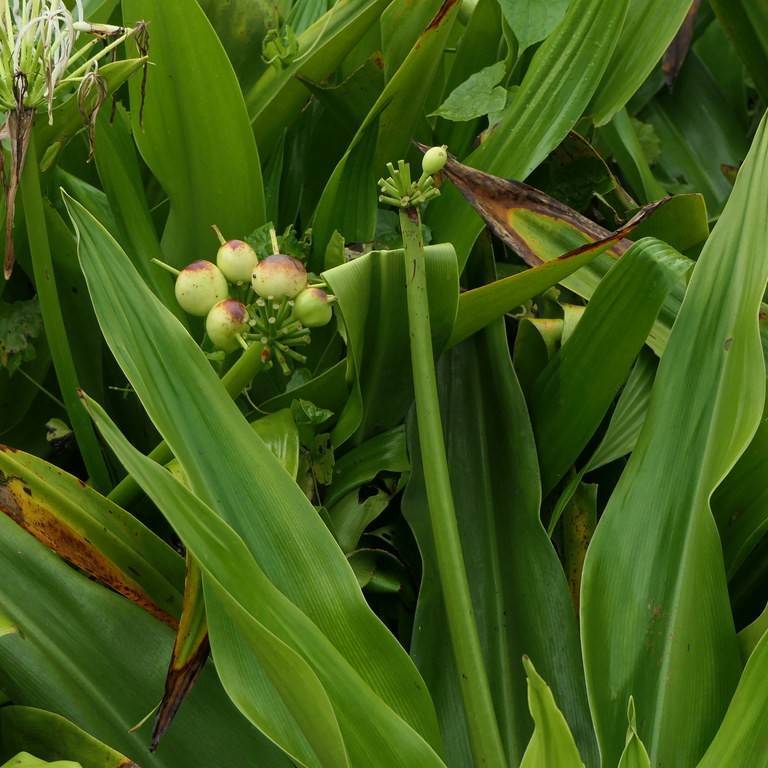
poison bulb
Crinum asiaticum
Overview
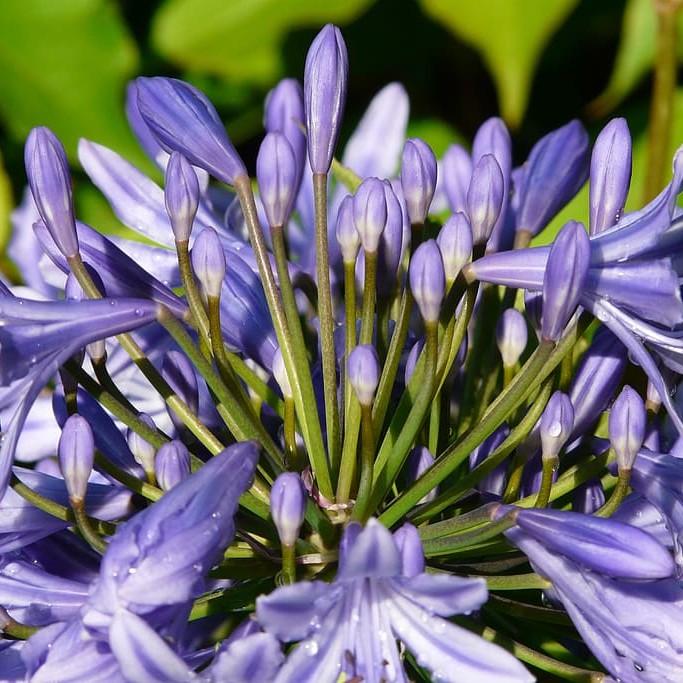
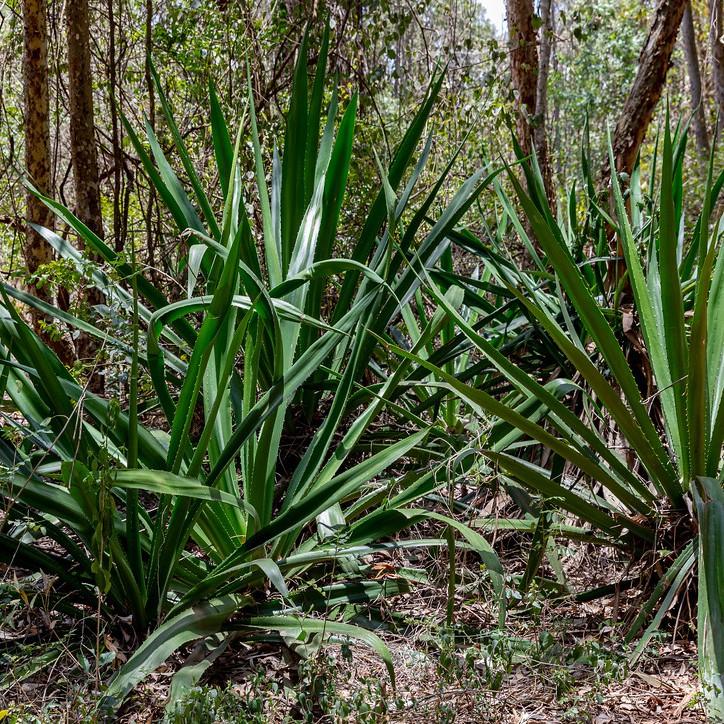
The poison bulb (Crinum asiaticum) is an incredibly amazing species due to its distinct beauty and unique attributes. It features long, slender, pointed leaves in various shades of green. Its white flowers have six curved petals ending in a showy pink cup-shaped corona, and it has a strong, sweet scent. It's also known for its poisonous properties; its active ingredient, crinine, is toxic when ingested or applied directly to the skin. Despite its dangerous nature, its stems and leaves are often used in traditional medicine. Its adaptability to a wide range of conditions, and its aesthetic qualities, make the poison bulb an amazing species for any garden.
Care Guide
Watering
The poison bulb requires regular watering, but be careful not to over-water. Water when the top 1–2 inches of the soil is dry to the touch. This will likely require watering 2–3 times a week. In the hotter months of the year, the plant may need to be watered more often. Make sure to check the soil regularly and adjust the frequency of watering accordingly.
Light
The poison bulb plant needs plenty of sunlight to reach its full potential. This species thrives best when it receives at least 6 hours of full sunlight each day. Additionally, it is important to provide the plant with a few hours of filtered sunlight during the day, as this will greatly benefit the growth and health of the plant. The best time of day to provide it with its daily dose of sunlight is during the early morning and late afternoon, when the sun is at its brightest and least intense. Daily exposure to bright sunlight during these times will not only help the poison bulb to flower and thrive, but will also help to protect the plant from diseases such as mildew and mold.
Temperature
Hardiness zone 9-11.
Pruning
The poison bulb (Crinum asiaticum) typically does not need to be pruned, since it remains relatively small and does not typically grow too big and become unruly. If desired, however, pruning can be done seasonally to promote bushier, fuller growth. The best time to prune a Crinum asiaticum is in the spring, once the flower stems die back, usually around April. Pruning should be done after the danger of frost has passed, as the cold can damage the plant. When pruning, remove old foliage and stems to encourage new growth. Always use clean, sharp pruning shears, and avoid leaving stubs as this can lead to disease. Additionally, when pruning, avoid cutting off the ends of any aerial roots. The overall size of the plant can also be kept in check if it becomes too large by removing the entire bulb and any surrounding roots from the soil and dividing it.
Propagation
Cormlet Propagation, Cormlet Propagation, Seed Propagation, Offsets, Tissue Culture
Related plants
Other plants you might like if you grow poison bulb.